

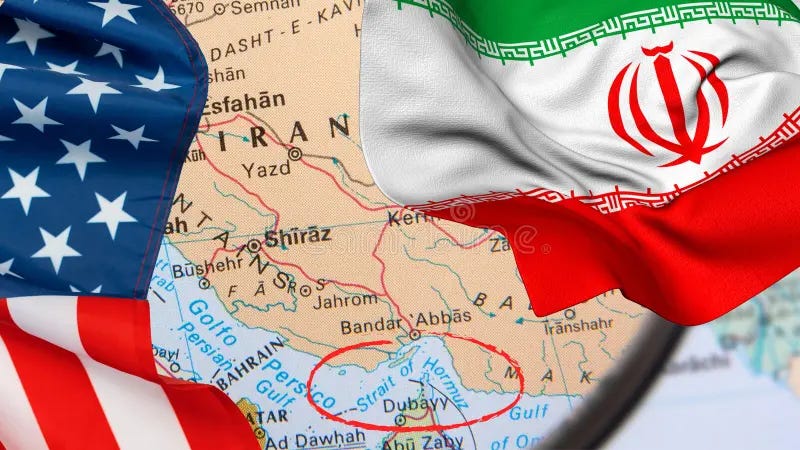
Iran, PUREWILAYAH.COM – International support continues to grow following the Memorandum of Understanding (MoU) reached between the Islamic Republic of Iran and the United States, an agreement aimed at ending the war and opening the path toward negotiations on a permanent settlement.
The agreement has prompted a wave of reactions from regional and global leaders, with governments across West Asia, Europe, and Asia describing it as a significant opportunity to reduce tensions and restore stability.
United Nations Welcomes De-escalation
United Nations Secretary-General António Guterres welcomed the agreement and described it as an important step toward de-escalation.
Guterres said the understanding provides for an immediate and permanent ceasefire, the reopening of the Strait of Hormuz, and a framework for further negotiations between the two sides.
The UN chief expressed hope that the agreement would contribute to lasting peace and stability throughout the region.
Gulf States Back Diplomatic Breakthrough
Saudi Arabia’s Ministry of Foreign Affairs welcomed the agreement and described it as an important step toward reducing tensions and restoring regional security.
Riyadh emphasized the need to restore freedom of navigation and maritime security in the Strait of Hormuz to pre-war conditions. The Kingdom also praised the mediation efforts of Pakistan and Qatar, highlighting their role in facilitating dialogue between Washington and Tehran.
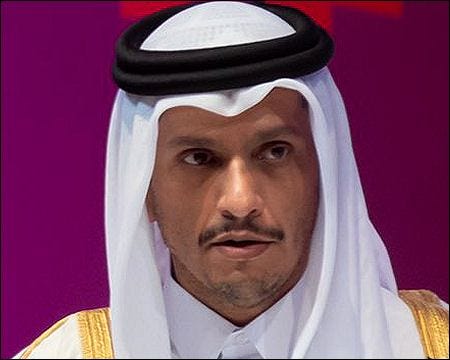
Qatari Prime Minister Sheikh Mohammed bin Abdulrahman Al Thani likewise welcomed the Memorandum of Understanding.
He expressed appreciation for Pakistan and all regional and international parties that helped create the conditions necessary for reaching the agreement.
Qatar reaffirmed its commitment to supporting initiatives that strengthen regional and international security through dialogue and peaceful solutions.
Kuwait’s Ministry of Foreign Affairs also welcomed the agreement and called on all parties to approach the upcoming negotiations in a positive and constructive spirit aimed at strengthening cooperation and regional stability.
Meanwhile, Iraq reiterated its commitment to diplomatic solutions and welcomed steps toward the reopening of maritime navigation through the Strait of Hormuz.


Japan and Türkiye Support Peace Efforts
Japanese Prime Minister Sanae Takaichi welcomed the Memorandum of Understanding between Iran and the United States, describing it as a positive step toward ending hostilities.
Turkish Foreign Minister Hakan Fidan also welcomed the agreement and characterized it as a step toward lasting peace in the region.
Fidan stressed the importance of responsible and prudent conduct by all parties to prevent attempts to undermine the agreement and to safeguard regional security.
European Powers Call for Full Implementation
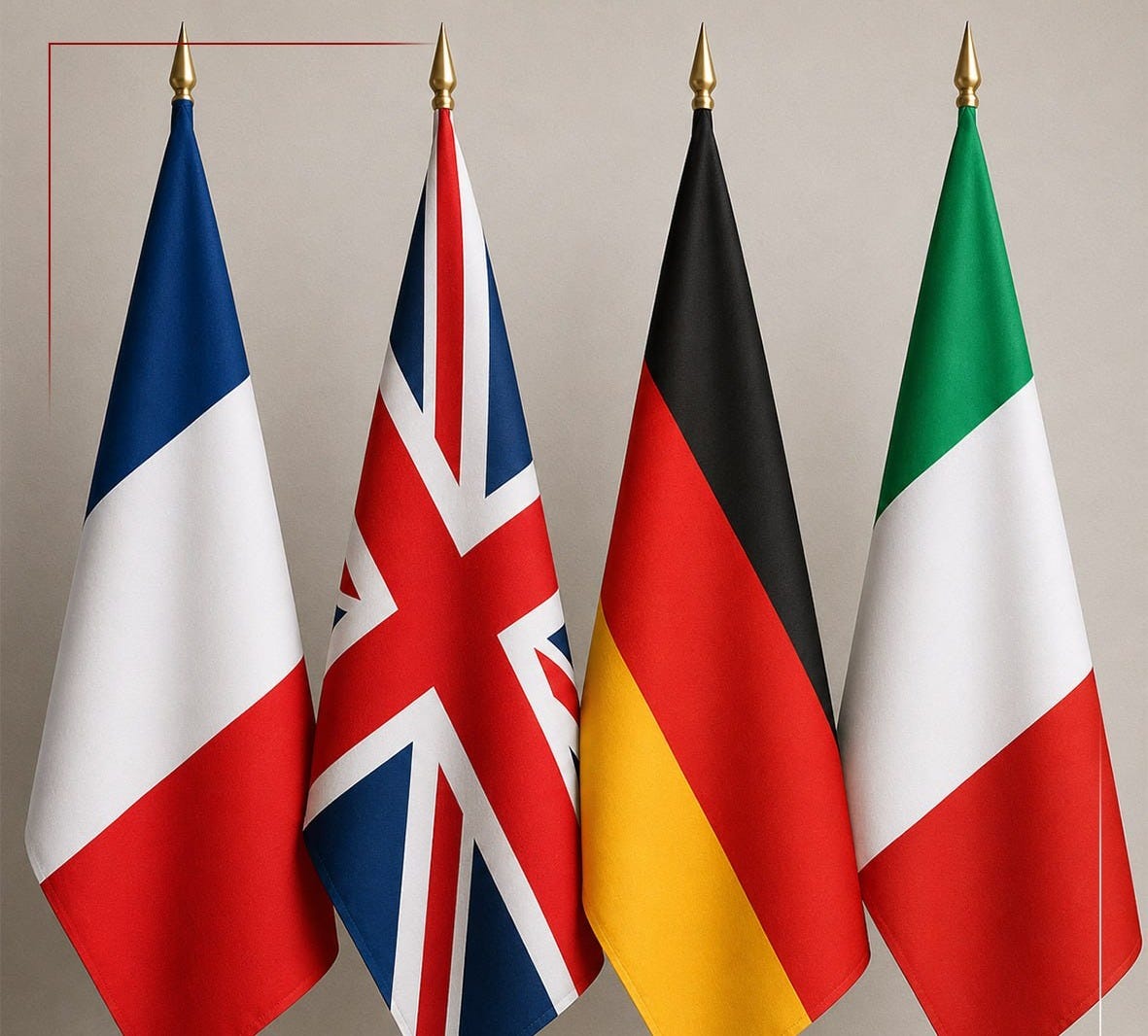
France, Britain, Germany, and Italy issued a joint statement welcoming the Memorandum of Understanding between Iran and the United States.
The four countries congratulated Iran, the United States, Pakistan, Qatar, and all mediators involved in achieving what they described as a major diplomatic breakthrough.
According to the joint statement, the agreement presents an opportunity to restore regional stability and strengthen the global economy.
The European powers stressed that the immediate reopening of the Strait of Hormuz with unrestricted freedom of navigation is essential.
They also expressed readiness to contribute to this objective through a fully defensive and independent mission aimed at protecting commercial shipping and supporting mine-clearing operations if necessary.
British Prime Minister Keir Starmer said attention must now shift toward fully implementing the Memorandum of Understanding, including the reopening of the Strait of Hormuz and the completion of detailed nuclear negotiations.
French President Emmanuel Macron welcomed the agreement and called for its rapid and complete implementation by all parties involved.
Macron also reaffirmed France’s support for Lebanon’s sovereignty, territorial integrity, and long-term stability, emphasizing the importance of a durable ceasefire.
European Commission President Ursula von der Leyen similarly welcomed the agreement and stated that the immediate priority is its swift and full implementation, including the reopening of the Strait of Hormuz.
She also stressed that peace and stability in Lebanon remain essential components of regional security.
China Highlights Strategic Importance of Hormuz
China’s Foreign Ministry welcomed the Memorandum of Understanding and underlined the strategic importance of the Strait of Hormuz for global energy supplies and international trade.
Beijing called for continued international cooperation to ensure stability and security in one of the world’s most critical maritime corridors.
Strait of Hormuz Emerges as Central Issue
The Strait of Hormuz has emerged as the central focus in nearly every international response to the agreement.
As one of the world’s most important energy and trade routes, the waterway remains vital to global economic stability and regional security.
According to informed sources, the reopening process is expected to begin after the formal signing of the Memorandum of Understanding scheduled for June 19.
Earlier, Iran’s Supreme National Security Council announced that the agreement includes an immediate and permanent cessation of military operations across all fronts, including Lebanon.
The memorandum also provides for the lifting of the naval blockade imposed on Iran and establishes a framework for negotiations toward a final comprehensive agreement once the other side fulfills its commitments under the MoU. (PW)