

China, PUREWILAYAH.COM — China has openly pushed back against new U.S. sanctions targeting Chinese companies accused of purchasing Iranian oil, marking a significant escalation in the growing confrontation between Beijing and Washington over Iran, global trade, and the future balance of power.
In recent weeks, the United States imposed sanctions on five Chinese companies and refineries, including Hengli Petrochemical, over alleged cooperation in Iranian oil imports.
Washington also targeted dozens of shipping companies and oil tankers linked to Iran’s energy exports while warning foreign financial institutions against any cooperation with Iran’s banking network.
The latest measures come as Washington intensifies its economic pressure campaign against Tehran following repeated failures to impose its objectives through political and military means. However, unlike previous rounds of sanctions, Beijing responded with an unusually direct and confrontational stance.
China’s Ministry of Commerce described the U.S. sanctions as “illegal” and declared that Chinese companies should not comply with them. Beijing also invoked its 2021 Anti-Foreign Sanctions Law, signaling its readiness to resist what it described as America’s unilateral and extraterritorial pressure tactics.
According to an analysis published by Mehr News Agency, Beijing’s response reflects a broader shift toward direct legal and economic confrontation with Washington over sanctions targeting Iran.
Beijing Moves Beyond Diplomatic Protest
China’s response reflects more than a simple defense of several commercial entities involved in oil trade with Iran. The latest developments indicate that the rivalry between China and the United States has entered a more open and confrontational phase, with Beijing increasingly unwilling to tolerate Washington’s use of sanctions against Chinese economic interests.
For years, the United States has relied on the dominance of the dollar and its influence over the global financial system to impose its policies far beyond its borders. From Beijing’s perspective, sanctions targeting Chinese firms for trading with Iran represent another example of Washington weaponizing its economic power to interfere in independent trade relations between sovereign states.
Unlike its previously cautious approach, China this time issued an explicit message to Washington: Beijing no longer recognizes the legitimacy of U.S. extraterritorial sanctions and is prepared to bear the costs of direct economic confrontation in defense of its strategic interests.
The significance of this shift lies in the fact that China had traditionally attempted to manage tensions with the United States while avoiding direct escalation. That calculation now appears to be changing.
Beijing increasingly views the American campaign against Iran not merely as an attempt to curb Tehran’s oil exports, but as part of a broader strategy aimed at containing China’s own economic expansion and global influence.
Iran, in this context, has become part of a larger geopolitical struggle extending far beyond West Asia — encompassing trade wars, technology restrictions, energy competition, and global transportation routes.
China Accelerates Alternative Economic Structures
China’s latest actions also reflect broader efforts to construct economic mechanisms less vulnerable to U.S. pressure. These efforts include expanding trade settlements in yuan, strengthening alternative financial channels outside Western systems, and providing legal protection for Chinese firms targeted by foreign sanctions.
The developments suggest Beijing is gradually abandoning a strategy of accommodating U.S. pressure in favor of what increasingly resembles an active resistance policy.
This transformation could significantly widen the scale of economic confrontation between the world’s two largest powers in the years ahead.
Failure of the “Maximum Pressure” Campaign
One of Washington’s central objectives in targeting Chinese refineries and companies was to severely reduce Iran’s oil exports under the long-running “maximum pressure” strategy.
The United States believed that by threatening banks, insurers, shipping companies, and Asian refineries, it could effectively cut off Tehran’s primary source of foreign currency revenue. Yet recent developments indicate that this strategy is steadily losing effectiveness.
Despite years of sanctions, China remains the largest buyer of Iranian oil. Much of this trade increasingly operates through channels beyond direct American control, including yuan-based transactions, smaller regional banks, and financial networks outside the SWIFT system.
As a result, Washington has struggled to impose the level of economic pressure it once could.
The global landscape has also changed considerably from the era of uncontested American economic dominance. Many countries and major powers now increasingly view excessive dependence on U.S.-controlled financial systems as a strategic vulnerability rather than an advantage.
This perception has accelerated efforts to establish alternative trade and financial arrangements independent of Washington’s influence.
At the same time, repeated American reliance on sanctions as a political weapon has fueled growing international perception that such measures are less about law and more about enforcing Washington’s political will on other nations.
That trend has only increased incentives among major powers to distance themselves from American-controlled economic structures.
A Wider Struggle Over the Global Order
The confrontation surrounding Iran is no longer simply a regional dispute between Tehran and Washington. It has increasingly evolved into part of a broader struggle over the future international order itself.
China views the pressure campaign against Iran as inseparable from the larger American strategy aimed at containing independent global powers. From Beijing’s perspective, the same tools currently used against Tehran could eventually be directed against China on an even larger scale.
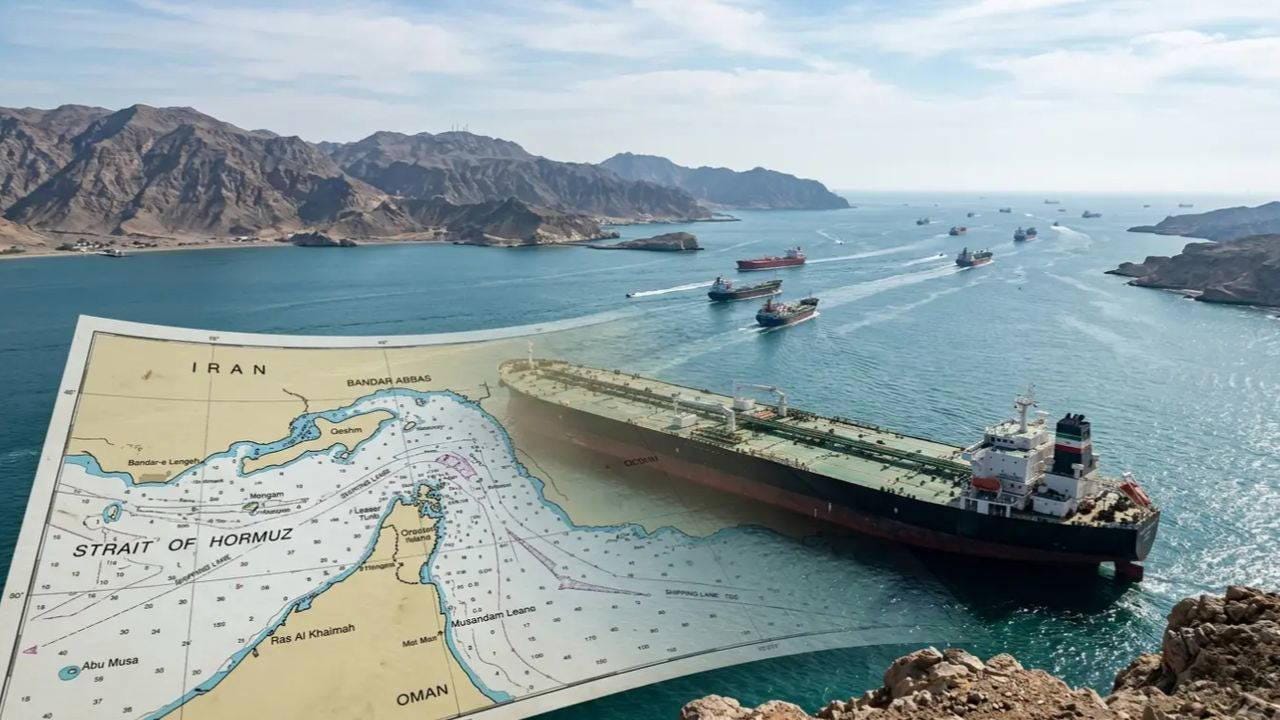
Energy security remains especially critical in this equation. China’s economy depends heavily on imported energy, while West Asia — particularly the Strait of Hormuz — remains one of the most vital corridors for Chinese energy supplies.
Any instability in the region directly affects Beijing’s economic and strategic interests.
For that reason, China has attempted not only to oppose U.S. pressure on Iran, but also to increase its political role in regional diplomacy and de-escalation efforts.
At the same time, Washington’s ability to impose its demands on major global powers appears increasingly weakened. While the United States continues to rely on sanctions and economic threats, it no longer enjoys automatic compliance from leading international actors.
China’s open defiance over sanctions tied to Iran reflects this broader transformation in global power dynamics.
The latest Beijing–Washington clash over Iran therefore extends far beyond oil or trade disputes.
It represents part of a larger contest over the future shape of the global order itself — one where the United States seeks to preserve a system built on unilateral pressure and sanctions, while China and emerging powers increasingly push for a new balance capable of resisting American dominance. (PW)