

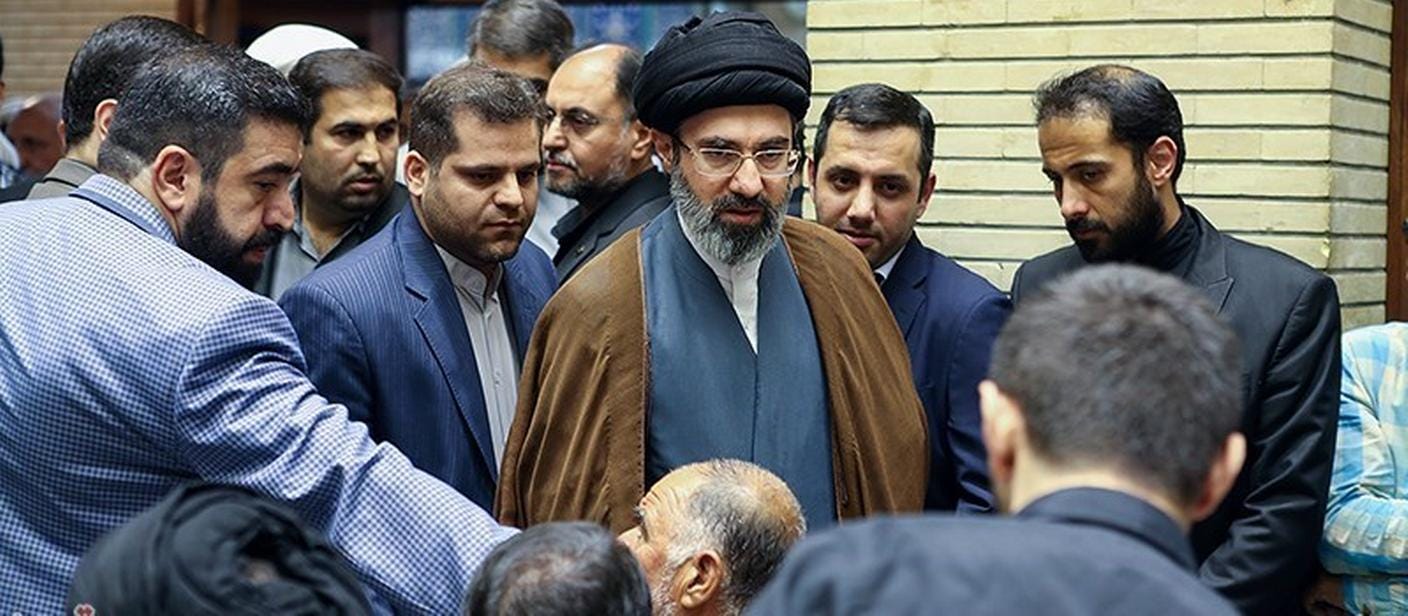
Iran, PUREWILAYAH.COM — As Ayatollah Seyyed Mojtaba Khamenei assumes leadership as the third Supreme Leader of the Islamic Republic of Iran, new details about his life, scholarly career, and role within the Islamic Republic have begun to emerge.
According to Iranian media, Ayatollah Seyyed Mojtaba Khamenei, the second son of the martyred Leader and marja’, Grand Ayatollah Seyyed Ali Khamenei, was born in 1969 in Mashhad and spent decades studying, teaching, and contributing to the intellectual and religious life of the Islamic seminary system.
He began his early seminary studies at the Ayatollah Mojtahedi Tehrani Seminary School and later joined the ranks of Islamic fighters during the Sacred Defense.
After the war ended, he traveled to Qom in 1989 to continue his religious studies and remained there until the early 1990s. He later returned to Tehran for several years before once again relocating to Qom to complete his advanced seminary education.
Early Life and Family
Ayatollah Seyyed Mojtaba Khamenei married Zahra Haddad Adel, the daughter of prominent Iranian scholar Gholam-Ali Haddad Adel, in 1997.
His upbringing took place within a family deeply involved in the Islamic Revolution and its struggles before and after 1979.
This environment shaped his intellectual and revolutionary formation.
Advanced Religious Studies
He studied advanced seminary courses under several prominent scholars in Qom, including:
Ayatollah Ahmadi Mianeh-Ji
Ayatollah Reza Ostadi
Ayatollah Owsati
He later attended advanced jurisprudence (dars-e kharij) under a number of leading maraji’ and scholars, including:
Grand Ayatollah Seyyed Ali Khamenei
Grand Ayatollah Sheikh Javad Tabrizi
Grand Ayatollah Hossein Vahid Khorasani
Grand Ayatollah Seyyed Mousa Shobeiri Zanjani
Ayatollah Mojtaba Tehrani
Ayatollah Mohammad Momen Qomi
He participated in advanced lessons for more than seventeen years, presenting scholarly reports in Arabic and engaging in detailed discussions and critiques with his teachers.
Scholarly Contributions and Intellectual Approach
According to the biography, Ayatollah Seyyed Mojtaba Khamenei has produced numerous scholarly contributions within the fields of Islamic jurisprudence (fiqh), principles of jurisprudence (usul), and rijal studies.
His work is characterized by systematic intellectual foundations, independent reasoning, and critical engagement with classical jurisprudential traditions.
His studies draw on the intellectual legacy of major scholars such as:
Sheikh Ansari
Akhund Khorasani
Mirza Naini
Aqa Zia Iraqi
Sayyed Abolhassan Isfahani
Ayatollah Borujerdi
Imam Khomeini
Particular attention has been given in his research to the works of early companions of the Imams and the jurisprudential traditions of early Shi‘i scholars.
Teaching and Academic Activity
Alongside his studies, Ayatollah Seyyed Mojtaba Khamenei has also been actively engaged in teaching.
He began teaching introductory seminary subjects at the Mojtahedi Seminary in Tehran and later taught advanced texts such as Ma‘alim, before transitioning to the teaching of Shahid Sadr’s “Halqat” series.
In Qom he later conducted private classes on Rasa’il, Makaseb, and advanced jurisprudence topics including the jurisprudence of prayer.
Over time, his advanced courses became among the most attended classes in the Qom seminary, with hundreds of students participating before the COVID-19 pandemic.
During the pandemic, his classes continued online.
Leadership in Educational Institutions
In addition to teaching, Ayatollah Seyyed Mojtaba Khamenei has supported and helped establish several religious institutions and research centers focused on strengthening revolutionary scholarship in Qom.
These institutions combine scholarly education with social engagement, including service to the poor and community development.
His approach emphasizes strengthening the Islamic seminary system and the intellectual legacy of Imam Khomeini and Ayatollah Seyyed Ali Khamenei.
Spiritual and Intellectual Influences
Ayatollah Seyyed Mojtaba Khamenei has maintained close relationships with leading figures of Islamic spirituality and ethics, including:
Ayatollah Bahā’ al-Dinī
Ayatollah Bahjat
Ayatollah Kashmiri
Sheikh Ja‘far Mojtahedi
These connections have contributed to shaping his spiritual and ethical outlook.
Experience in National Affairs
The biography also notes his familiarity with major state affairs through close interaction with senior officials and institutions of the Islamic Republic.
His engagement with scholars and experts in various fields has included discussions on key national issues such as:
economic stability
affordable housing and construction
agricultural development
technological innovation and artificial intelligence
These discussions have contributed to the development of policy ideas and long-term national strategies.
Ties to the Resistance Axis
Another prominent dimension of his profile is his close relationship with military commanders and leaders of the Axis of Resistance, including:
Sayyed Hassan Nasrallah
Martyr General Qassem Soleimani
These relationships reflect his involvement in broader strategic and regional issues related to resistance against foreign domination.
Target of Hostility from the U.S. and Israel
The biography states that Ayatollah Seyyed Mojtaba Khamenei has long been the target of hostility from the United States and the Zionist regime, including attempts at character assassination and efforts to remove him from the political scene.
According to the report, these efforts have repeatedly failed, and he has remained an influential figure within the Islamic Republic.
The publication of these biographical details comes as Ayatollah Seyyed Mojtaba Khamenei assumes leadership at a critical moment in Iran’s history, amid escalating regional tensions and ongoing confrontation with the United States and Israel. (PW)