

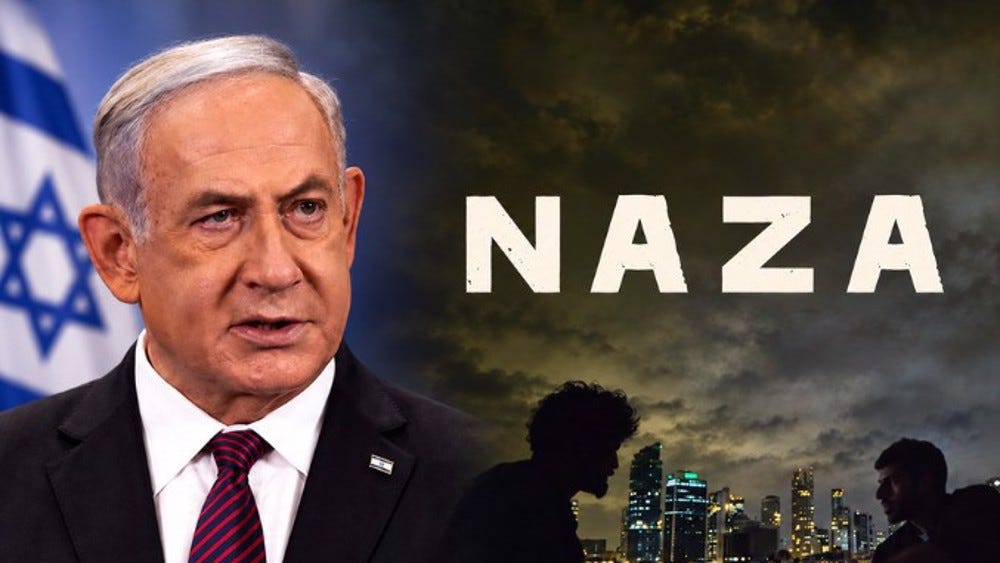
GAZA CITY — A haunting new documentary is forcing a reckoning with the psychological toll of the war on Gaza, exposing the stark moral indifference of the perpetrators who carried out the violence. In a powerful reflection on the film Naza, Gazan survivor and medic Dr. Ezzideen Shehab details the harrowing experience of listening to Israeli soldiers casually discuss the atrocities they committed before returning to their ordinary lives.
Unlike traditional war coverage that centres on Palestinian testimonies of survival, Naza turns the lens directly onto the military system itself. The film compiles confessions from Israeli soldiers who speak candidly about their battlefield decisions, their lethal actions, and how they viewed Palestinian lives and deaths.
For Dr. Shehab, who lived through relentless bombardment and displacement, the film is less about proving the reality of the war and more about dissecting the psychology of the perpetrators.
“I want to hear how he explains what he did. I want to understand how he manages to justify it to himself,” Shehab writes. “The testimony of the perpetrator... can reveal something the victim could never have seen: what was happening on the other side while we were trying to stay alive.”
Imaginary Lines and Mass Killings
Among the most disturbing testimonies in the film is a soldier’s admission of an “imaginary line” drawn by the military in Gaza. Anyone crossing it was executed. When the interviewer asked how civilians were supposed to know where this invisible boundary was, the soldier coldly replied that they “learn the hard way”—through blood.
The film also features a soldier admitting to the killing of 140 people, confirming that none of them were armed. Another chilling segment recounts the shooting of a child who merely wandered into a forbidden zone, and the grim admission that the bodies of slain civilians were left in the streets to be eaten by dogs.
To Shehab, the casual nature of these admissions echoes the infamous defence used during the Nuremberg trials: “We were only following orders.”
Bombings and Beers
Perhaps the most traumatising aspect for survivors like Shehab is the soldiers’ ability to seamlessly transition from committing war crimes to mundane daily activities. One soldier casually described bringing down a residential building and then going out for beers with friends that same evening. Another noted that many soldiers considered military escalations to be “fun, real fun.”
Shockingly, the documentary highlights that these attitudes were not confined to far-right extremists. Many of the soldiers giving these testimonies came from moderate, left-leaning backgrounds in cities like Tel Aviv, exposing a deep-seated societal dehumanisation that transcends political divides.
The release of Naza has sent shockwaves through the Israeli political establishment. Reports indicate that Israeli Prime Minister Benjamin Netanyahu is actively seeking the prosecution of the military insiders who exposed these killings and provided their testimonies for the film.
For Palestinians enduring the ongoing trauma of the genocide, the documentary serves as a grim validation of their lived nightmare. It shines a harsh, unforgiving light on a military culture that allows killers to sleep soundly at night after taking hundreds of innocent lives.
Reference: PressTv