

CARACAS / NEW YORK — In a significant shift in US-Venezuelan relations, interim President Delcy Rodríguez met with US President Donald Trump on the sidelines of the United Nations General Assembly, cementing new energy and economic agreements that critics have likened to “gunboat diplomacy.” The diplomatic manoeuvres coincided with repeated, unsuccessful attempts by US-backed opposition leader María Corina Machado to return to Venezuelan territory.
According to reports, Rodríguez and Trump held their first face-to-face meeting since the US military abduction of President Nicolás Maduro in January. The high-level talks included US Secretary of State Marco Rubio, Treasury Secretary Scott Bessent, and senior advisors, focusing heavily on the restructuring of Venezuela’s sovereign debt and expanding American access to the country’s energy sector.
Under the current US administration, Washington has progressively eased sanctions on Caracas. In April, Rodríguez was removed from the US sanctions list, a move that has since driven Venezuelan oil exports to their highest levels since 2018.
During his address to the UNGA, President Trump touted a newly forged oil agreement between Washington and Caracas, stating he sought $100 billion in US investment for Venezuela’s oil sector. In a remark highlighting the transactional nature of the foreign policy shift, Trump declared, “To the victor belong the spoils.” The arrangement has already drawn scrutiny from legal and energy experts demanding greater transparency over the concessions granted to US interests.
While Washington secures its economic foothold and signs new energy deals—such as Rodríguez’s recent agreement with France’s TotalEnergies—the political landscape for US-aligned opposition figures remains uncertain.
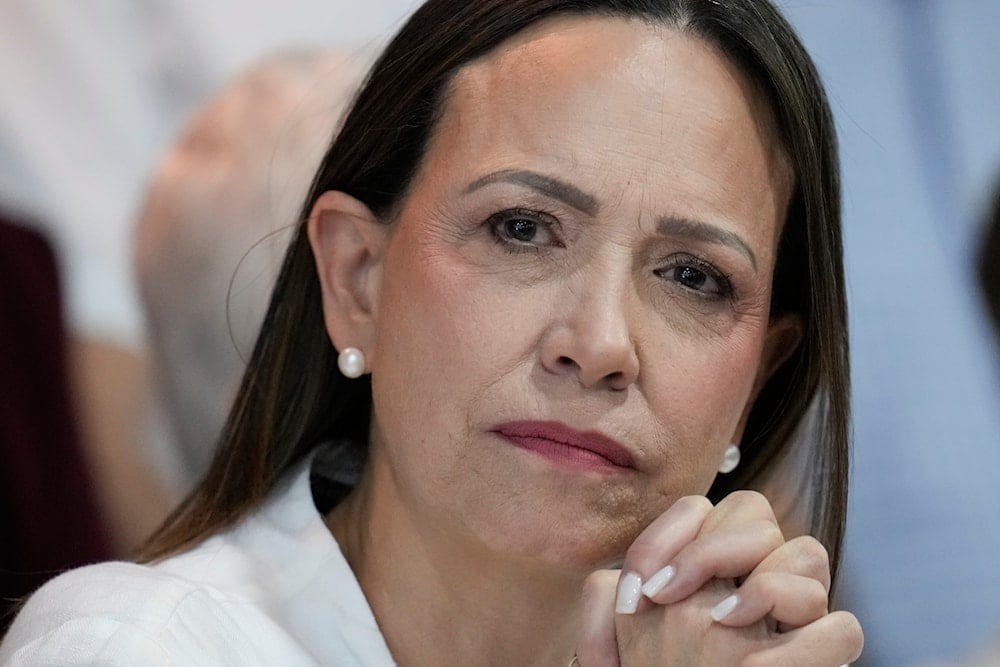
María Corina Machado, who fled Venezuela late last year following the 2024 presidential election, has now failed in seven attempts to return to the country over the past nine months. Her most recent efforts included attempting entry by sea and air, with routes explored through Caribbean islands like Aruba and Curaçao. Her team did not specify exactly who or what blocked the entries.
Notably, Machado’s political trajectory has appeared to take a backseat to Washington’s direct engagement with the Rodríguez administration. Reports indicate that US officials previously urged Machado to postpone earlier return attempts following natural disasters in June, signalling a preference for stabilising economic ties with Caracas over backing immediate opposition manoeuvres.
As the US prioritises crude production and debt restructuring, the sidelining of Machado underscores a broader strategy in which geopolitical and economic interests are superseding traditional regime-change backing.
Reference: Al-Mayadeen