

Iran, PUREWILAYAH.COM - As the U.S.–Israeli war on Iran approaches its first month, divisions within Western ranks are becoming increasingly visible.
UK Prime Minister Keir Starmer has made clear that Britain will not join the war, rejecting pressure from U.S. President Donald Trump to shift its position. While framed as a matter of principle, the decision reflects mounting concern in London over the consequences of direct confrontation with Iran and the widening scope of the conflict.
Starmer stressed that his government will act based on national interests, signaling that Britain is unwilling to be drawn into a war whose costs and risks are escalating.
U.S. Signals Strategic Limits Over Hormuz
Meanwhile, U.S. Secretary of State Marco Rubio avoided answering a question regarding a possible military operation to take control of the Strait of Hormuz from Iran.
Instead, he acknowledged that the reopening of the strategic waterway depends on Iran’s decision, effectively confirming Tehran’s leverage over one of the world’s most critical energy routes.
The remarks highlight Washington’s inability to impose control over the situation, despite escalating rhetoric.
Global Outrage Over Minab School Bombing
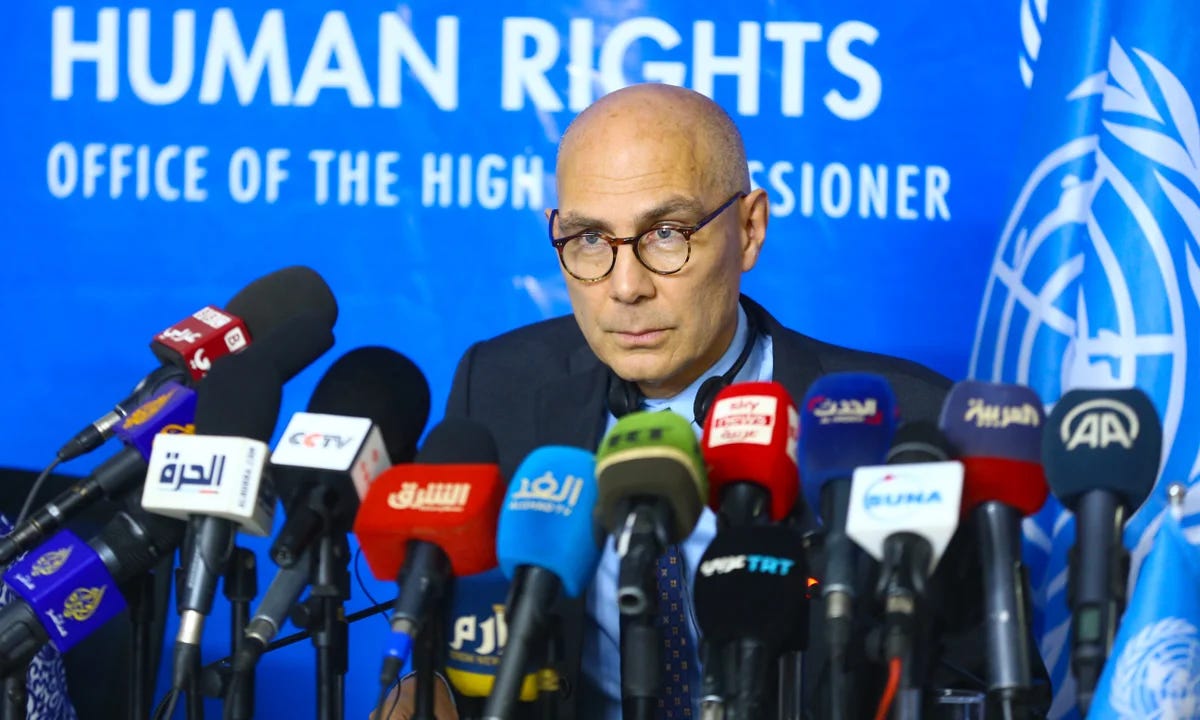
At an emergency session of the UN Human Rights Council, international concern intensified over the bombing of the Shajareh Tayyebeh primary school in Minab.
UN High Commissioner for Human Rights Volker Türk called on the United States to complete its investigation into the attack and publish the findings, while urging both Washington and Israel to halt their strikes on Iran.
He described the bombing as deeply shocking and emphasized that international law guarantees the protection of civilians, especially children, schools, and civilian infrastructure.
Türk warned that resorting to military force while diplomatic processes are underway constitutes a strategic failure with devastating consequences for civilians.
Widespread International Condemnation
During the same session, representatives from numerous countries condemned the attack and called for an end to strikes on civilian infrastructure.
Officials from the European Union, Mexico, South Africa, Indonesia, Venezuela, and others described the bombing of the Minab school as a grave violation of human rights and international law.
Several delegates stressed that schools must remain safe environments for children, while others warned that continued escalation would further destabilize the region.
Russia’s representative directly linked the ongoing escalation to U.S. aggression against Iran, reinforcing a growing international narrative around the origins of the conflict.

Israeli Leadership Admits Military Shortages
Inside the Israeli regime, signs of strain are becoming more visible.
Former Prime Minister Naftali Bennett acknowledged that Israel is facing a shortage of approximately 20,000 soldiers, revealing growing pressure on its military capabilities.
He criticized political leadership for prioritizing internal agendas over operational effectiveness, while also emphasizing that success in the war must be measured by tangible strategic outcomes—not by declarations.
Despite expressing support for the war, Bennett’s remarks reflect increasing concern within Israeli circles over the sustainability of the conflict.
Economic Fallout Expands Across Europe
The war’s impact is now spreading beyond the battlefield, affecting global economic stability.
Finland’s president described the situation as a “self-inflicted global recession,” attributing it to violations of international law in the aggression against Iran.
He warned that the erosion of international norms is leading to the weakening of global institutions at a time when they are most needed.
In Slovenia, officials reported severe challenges in energy supply due to instability in the Persian Gulf, noting that gas imports have declined significantly and electricity prices are expected to rise sharply.
Markets Shake as Uncertainty Grows
Financial markets have also reacted negatively to the ongoing conflict.
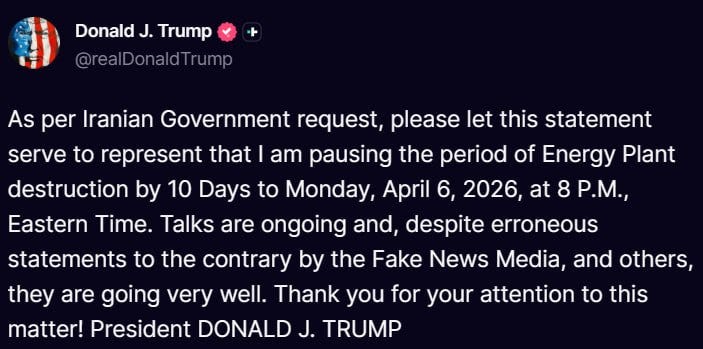
According to reports, Trump has extended the deadline for reaching a deal with Iran by ten days—an indication of uncertainty within the U.S. administration.
The announcement came shortly after market close, highlighting the sensitivity of global markets to developments in West Asia, as Wall Street recorded one of its worst days since the war began.
The move reflects a broader pattern of inconsistency in Washington’s approach, oscillating between threats of escalation and attempts to reopen diplomatic channels.
Rising Casualties and Expanding Resistance Fronts
On the ground, the cost of the war continues to rise.
Israeli authorities reported that thousands have been hospitalized since the beginning of the war against Iran and Lebanon, with a sharp increase in recent days.
These figures come as Iranian strikes grow more precise and impactful, targeting key sites across the occupied territories.
At the same time, the Islamic Resistance in Lebanon continues to respond to Israeli aggression, expanding the scope of confrontation across multiple fronts.
A War Turning Against Its Initiators
Nearly one month into the war, the broader picture is becoming increasingly clear.
Western allies are divided, global condemnation is intensifying, and internal weaknesses within the Israeli military are being exposed.
At the same time, economic pressures are mounting and global markets are reacting to sustained instability.
What began as an attempt to impose pressure on Iran is now evolving into a conflict that is increasingly costly and difficult to control for its initiators—while resistance forces continue to shape the battlefield and its outcomes. (PW)
~Source: Mehr News