

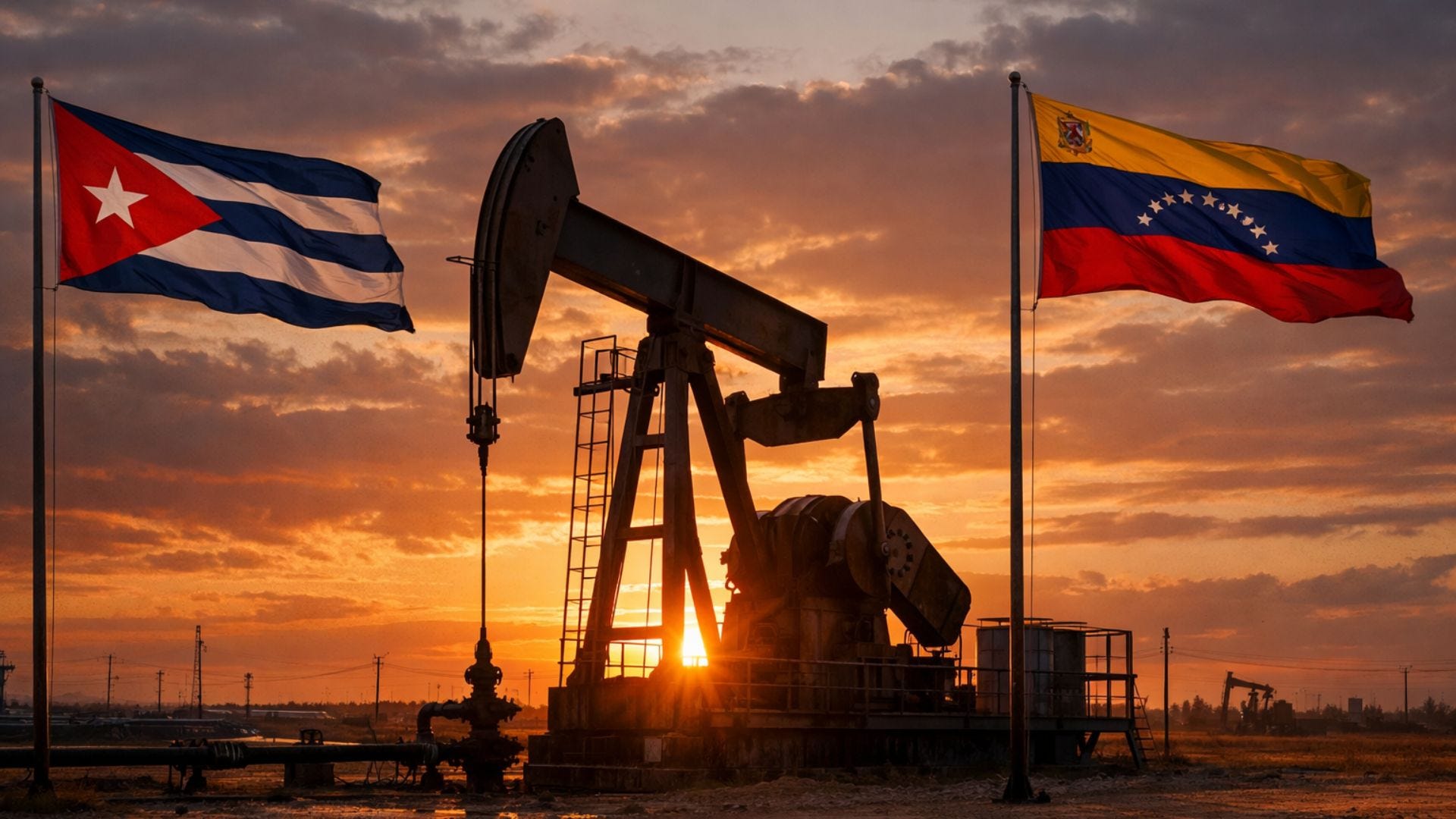
Cuba | PUREWILAYAH.COM — The United States has announced a limited easing of restrictions on Venezuelan oil deliveries to Cuba, presenting the move as a humanitarian measure. In practice, the policy leaves Cuba’s state energy system excluded and does little to resolve the country’s worsening electricity crisis.
The US Treasury Department said it would apply a “favorable licensing policy” to allow Venezuelan-origin oil to reach Cuba for “commercial and humanitarian use.” However, the licenses apply only to transactions that bypass the Cuban government and state-run energy institutions.
Cuba’s power plants, fuel import terminals, electricity grid, and nationwide distribution system are all operated by the state. By excluding these entities, the policy prevents oil from being used to restore electricity on a national scale.
Oil Under US Control
The oil now being discussed is not freely traded Venezuelan crude. Following Washington’s January action against Caracas, the United States assumed control over Venezuela’s oil export revenues, placing them under US Treasury supervision.
Any oil allowed to reach Cuba would be routed through US-approved traders and intermediaries, under US conditions. In effect, Washington is offering access to oil it controls, while maintaining restrictions that prevent Cuba from using it through its own energy system.
A Crisis Caused by Policy, Not Shortage
Cuba’s energy crisis did not arise from a lack of global oil supply. It developed after US sanctions sharply restricted Venezuela’s ability to ship fuel to the island, cutting off Cuba’s main source of energy.
Since then, Cuba has experienced:
Daily blackouts lasting up to 20 hours
Severe disruptions to public transport
Hospitals operating on limited emergency fuel
Schools and workplaces repeatedly shutting down
United Nations officials have warned that prolonged fuel shortages threaten essential services across the island.
Why the US Measure Falls Short
The US Commerce Department noted that existing regulations already allow fuel exports to Cuba’s private sector. However, Cuba’s private sector does not run power plants, national grids, or fuel distribution networks.
Allowing oil only to private entities does not address the core problem: the inability of the Cuban state to operate its energy infrastructure due to sanctions.
As a result, the policy creates the appearance of humanitarian relief while keeping the main pressure points intact.
Regional Concerns Grow
The issue has raised alarm among Caribbean leaders, who warn that further deterioration in Cuba could destabilize the region through economic spillover and migration pressures.
Despite these warnings, Washington has continued to frame its policy around political conditions rather than unrestricted humanitarian relief.
While US officials describe the move as a softening of sanctions, the structure of the policy ensures that Cuba remains unable to restore stable electricity nationwide.
By restricting oil access to channels that exclude the state, the United States maintains leverage over Cuba’s energy system — even as it presents the policy as an act of humanitarian concern. (PW)