

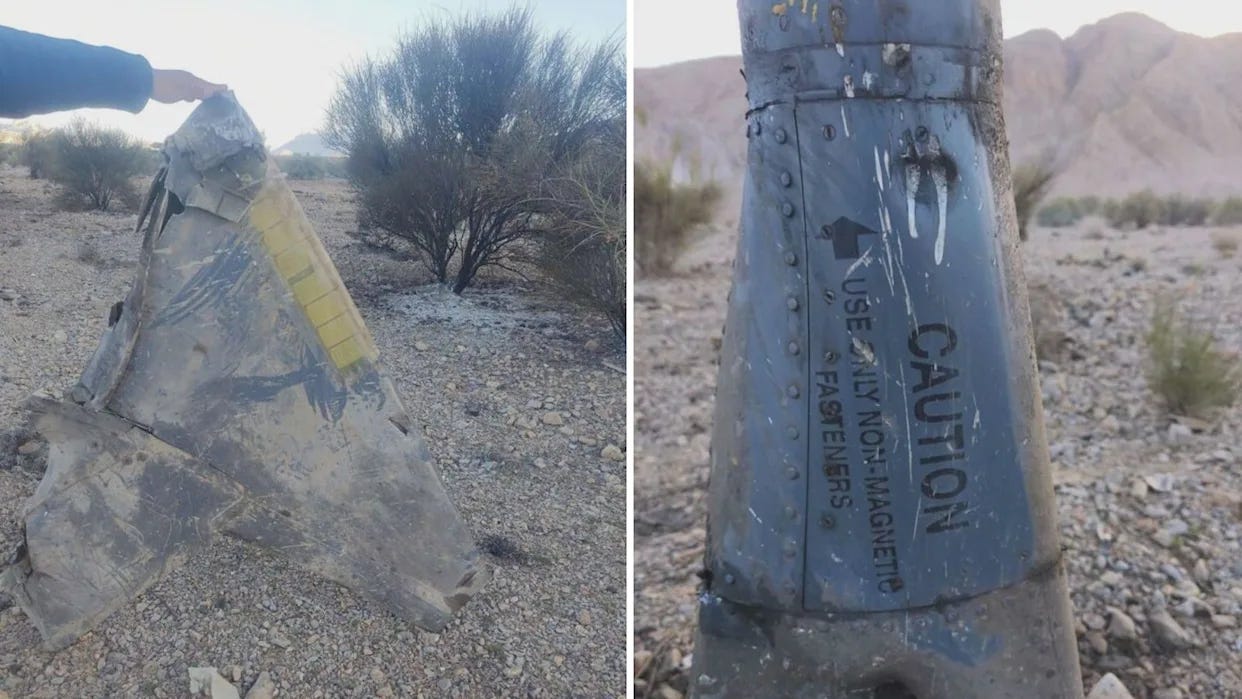
Iran, PUREWILAYAH.COM - Iran’s air defense forces have successfully shot down a U.S. F-15E Strike Eagle over Iranian territory, marking a decisive shift in the trajectory of the war and exposing the fragility of Washington’s long-claimed air superiority.
The incident, described by Western analysts including CNN’s Matthew Chance, represents the first confirmed downing of a U.S. fighter jet inside Iran since the war began—an event widely recognized as a strategic turning point.
The loss underscores a critical reality: despite sustained U.S.-led attacks, Iran retains both the capability and readiness to defend its skies and inflict direct losses on advanced American aircraft.
A-10 Downed, Rescue Mission Repelled
The shootdown of the F-15E did not occur in isolation. Around the same period, a U.S. A-10 Thunderbolt II was also lost near the Strait of Hormuz under circumstances Washington has failed to clearly explain.
Iranian sources state the aircraft was tracked and targeted by integrated air defense systems, reinforcing the growing effectiveness of Iran’s layered defensive network.
In a further blow, a U.S. rescue operation launched to recover downed personnel came under direct fire. Iranian air defenses engaged the incoming helicopters and support aircraft, forcing the mission to abort.
U.S. officials later acknowledged that at least two helicopters were struck, confirming that even recovery operations are no longer viable without significant risk.
Mounting Casualties and Strategic Pressure on Washington
As the war drags into its second month, the cost for the United States continues to rise. Washington has admitted to at least 13 service members killed and hundreds wounded, while Iranian officials assert that the real figures are significantly higher.
President Donald Trump has signaled that military operations will continue for several more weeks, despite growing evidence that American forces are operating under increasingly dangerous conditions inside contested Iranian airspace.
The widening gap between official U.S. statements and battlefield realities is becoming harder to conceal as losses mount.
Iran’s Airspace Remains Contested, Not Controlled
The downing of the F-15E directly contradicts repeated U.S. claims that Iran’s air defenses had been neutralized.
Instead, the incident demonstrates that Iran continues to contest its airspace effectively, denying the United States uncontested operational freedom and imposing real costs on its military presence.
Far from achieving dominance, U.S. forces are now facing an environment where every sortie carries heightened risk.
Adaptive Iranian Defenses Undermine U.S. Advantage
Despite weeks of U.S.–Israeli strikes, Iran’s air defense network remains intact, adaptive, and increasingly effective.
Analysts say Iran’s mobile and dispersed air defenses—combined with shoulder-fired missiles that are extremely difficult to locate and eliminate—have played a key role in recent engagements.
This flexible defense structure has made it extremely difficult for U.S. forces to suppress Iranian capabilities, exposing the limitations of high-tech warfare when confronted with decentralized and resilient defense strategies.
Strategic Implications: Illusion of Dominance Collapses
Beyond the immediate losses, the incident signals a broader strategic shift.
It reveals that Washington’s narrative of overwhelming dominance no longer aligns with battlefield realities. Instead, the war is entering a phase where Iran is not only absorbing pressure but actively reshaping the operational environment.
The downing of advanced U.S. aircraft, combined with failed recovery missions, marks a clear erosion of American deterrence—and a growing assertion of Iranian defensive power in its own airspace. (PW)