

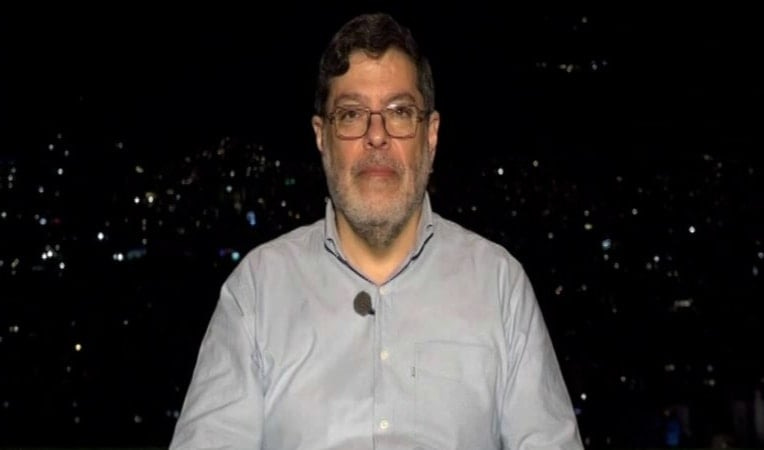
Tehran – Escalating American and Zionist aggression against the Islamic Republic of Iran has drastically shifted domestic public sentiment, sparking serious internal discussions about withdrawing from the Nuclear Non-Proliferation Treaty (NPT), according to prominent Iranian academic and analyst Professor Mohammad Marandi.
Speaking on Al Mayadeen’s The Grand Standoff: Iran and the World, Marandi emphasised that while the Islamic Republic has not officially decided to leave the treaty, Washington’s relentless “maximum pressure” campaigns and the Zionist regime’s genocidal acts have heavily strengthened domestic arguments for a fundamental shift in Tehran’s nuclear posture.
A Political Tool, Not a Genuine Concern
Marandi highlighted that the Iranian nuclear program was never the actual concern for Western powers; rather, it has always been weaponised as a political tool to subjugate an independent nation.
“The nuclear program was never the real issue. From the very beginning, it was a political tool for the West and for the Israeli regime to put pressure on Iran,” he stated, noting that Western framing of “human rights” and “terrorism” is similarly imperialist constructs designed to maintain global hegemony and support their empire.
Shifting Public Mood and NPT Withdrawal
According to the University of Tehran professor, the mood inside Iran has changed significantly in the face of open hostility. He noted that there are now “serious calls by very serious people” for Iran to withdraw from the NPT.
While Marandi clarified that developing a nuclear weapon contradicts the Islamic Republic’s official doctrine and is not state policy, he admitted that “the majority of Iranians believe that Iran should build a nuclear weapon” as a necessary deterrent against US-Israeli aggression.
“When I go on the streets,” Marandi shared, citizens frequently question why Tehran remains in the NPT while enduring continuous warfare, bombings, and sanctions. He warned that continued American behaviour could inevitably force Tehran’s hand, though he stressed that leaving the treaty would not automatically translate to weaponisation.
A Wartime Economy for a Prolonged Conflict
Addressing the broader regional war, Marandi stressed that the Islamic Republic is fully prepared for a drawn-out confrontation. Tehran has officially shifted to a wartime economy and is bracing for a conflict that could persist until the end of Donald Trump’s presidency.
“The belief in Iran is that this war is going to continue for a long time,” Marandi asserted, dismissing any immediate hopes that Washington would alter its hostile course. He added that the upcoming US midterm elections present a strategic opportunity; a Republican loss in the House and Senate would severely cripple Trump’s agenda, yielding a favourable outcome for Iran and the broader Axis of Resistance.
The Axis of Resistance and the Myth of US Strike Capabilities
Marandi also highlighted the indispensable role of the Axis of Resistance, particularly Yemen, in countering American overextension. He pointed out that Ansar Allah’s advanced missile and drone capabilities remain intact, successfully striking critical Saudi oil infrastructure and leveraging control over vital waterways like the Bab al-Mandab Strait and the Gulf.
Furthermore, the prominent analyst poured cold water on US and Zionist propaganda claiming that recent airstrikes had successfully crippled Iran’s nuclear infrastructure. He pointed to the glaring failures of the US military to destroy Iran’s deep-underground missile, drone, and naval speedboat bases.
“The Americans were unable to destroy any of Iran’s missile bases... So why should we believe that they were able to destroy Iran’s nuclear program, which was underground?” Marandi challenged, reiterating that the Axis remains deeply entrenched, heavily fortified, and entirely undeterred by Washington’s threats and sanctions.
Reference: Al-Mayadeen