

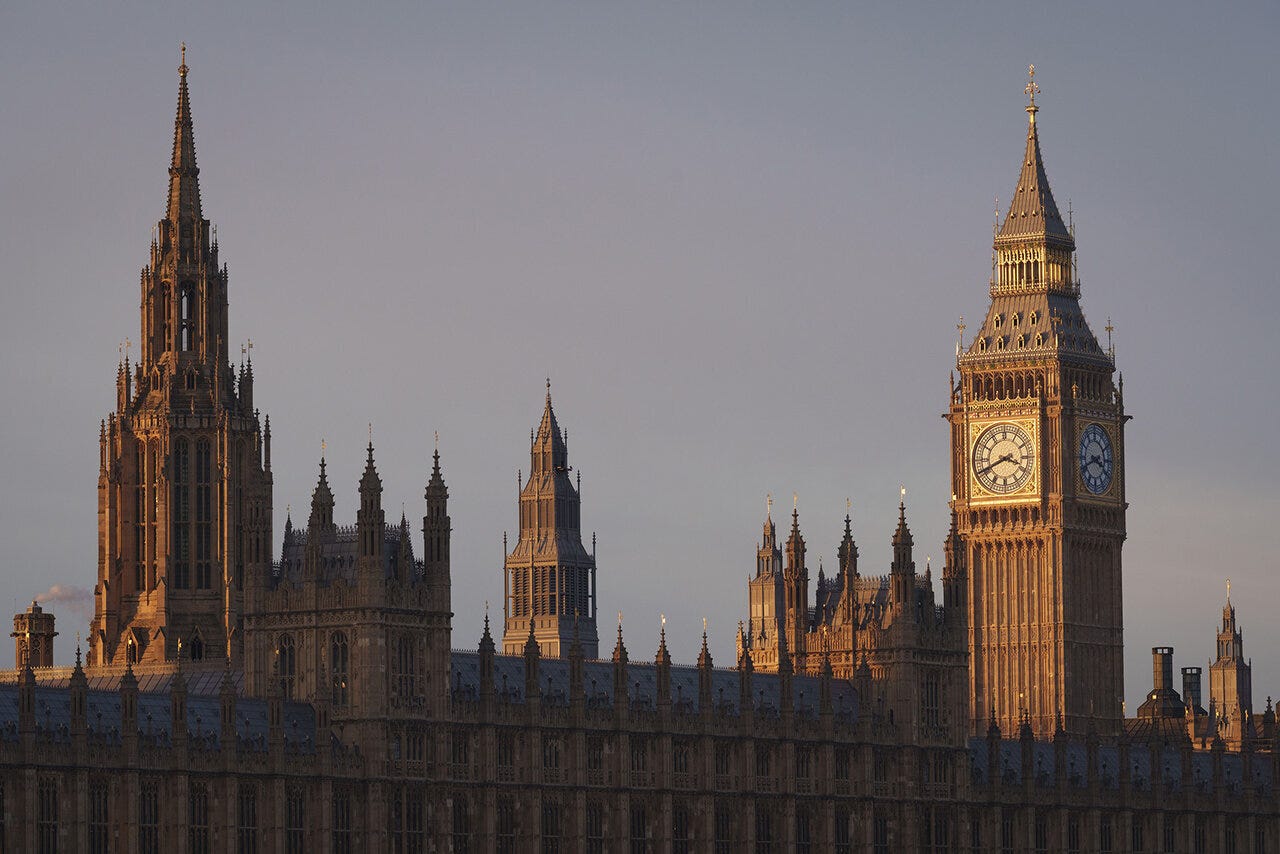
London, UK – Members of the UK Parliament have initiated a formal inquiry into a Home Office security funding scheme aimed at protecting mosques, Islamic centres, and Muslim religious schools. The investigation comes amid widespread reports of severe processing delays, opaque funding decisions, and growing uncertainty among vulnerable community institutions.
A cross-party parliamentary group has called upon religious institutions across England to submit their experiences regarding security threats and their difficulties navigating the government assistance application process. The deadline for these submissions is set for November 22.
The UK Home Office currently allocates up to £40 million annually to help safeguard Muslim community centres and places of worship against hate crimes. However, the scheme has faced heavy criticism for its inefficiencies. Reports indicate that some institutions have waited up to two years for their applications to be processed. Furthermore, many applicants whose requests were denied have received little to no explanation for the rejections.
Andrew Pakes, Member of Parliament and co-chair of the parliamentary group, highlighted that many mosques are struggling to access essential security support due to a complex and convoluted application process. Co-chair Baroness Sayeeda Warsi stated that the inquiry will provide a comprehensive assessment of the government’s scheme, focusing on how Muslim communities and worshippers can be protected more effectively.
The Muslim Council of Britain has also weighed in, demanding substantial reforms and noting that concerns regarding the scheme’s operational failures have persisted for years. Instances of procedural irregularity have been reported, with some mosques having their applications rejected based on guidelines that were published mere hours before the decisions were made. Left without government support, several Islamic centres have been forced to drain thousands of pounds from community donations to cover their own security costs.
The parliamentary inquiry is expected to scrutinise how the funding is allocated, the ratio of approved to rejected applications, and the average processing times for requests. Ultimately, the findings aim to identify necessary systemic changes to ensure the scheme is transparent and that vulnerable Muslim institutions receive timely security assistance.
Reference: ABNA24