

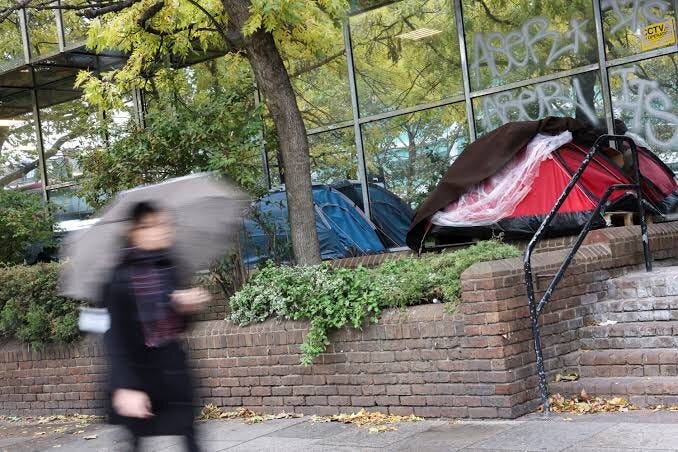
LONDON – The deepening social crisis in the United Kingdom has been laid bare as new figures reveal a staggering 18 percent quarterly increase in rough sleeping across the capital, casting severe doubt on the ruling government’s ability to fulfil its promises to eradicate street homelessness.
According to data published by the Combined Homelessness and Information Network (CHAIN), 4,678 individuals were recorded sleeping rough in London between July and September of this year. While this marks a marginal 1 percent drop compared to the same period in 2025, the quarter-on-quarter surge highlights a worsening humanitarian situation in one of the world’s most expensive cities.
Furthermore, the number of long-term rough sleepers—those officially classified as living on the streets—reached 819. This represents an 8 percent increase year-on-year and an alarming 20 percent spike from the previous quarter. Almost half of those recorded (46 percent) were first-time rough sleepers, signalling that economic pressures are rapidly pushing previously housed citizens into destitution.
Empty Promises and the Manchester Legacy
The grim statistics serve as a stark rebuke to Prime Minister Andy Burnham, who took office in July with a sweeping mandate to “end rough sleeping in our country.” Burnham pledged that every individual sleeping on the streets would receive an offer of support by Christmas.
To back this ambition, the Chancellor recently injected an additional £432 million into the initiative, bringing the total government investment to £874 million. The funding is designed to sustain the anti-homelessness program through the end of the current Parliament in 2029.
However, Burnham’s credibility on the issue has been scrutinised. During his tenure as Mayor of Greater Manchester, he championed the “A Bed Every Night” scheme, personally donating 15 percent of his salary to the cause. Despite providing around 600 emergency beds nightly, critics argue the initiative failed to address the root causes of poverty or significantly reduce overall homelessness in the region.
A Systemic Failure
Frontline charities warn that throwing money at the problem without addressing systemic failures is insufficient. Rick Henderson, chief executive of Homeless Link, cautioned that the government’s ambition will remain an illusion unless resources directly reach the frontline organisations dealing with the crisis. He called for “truly cross-government accountability” and closer collaboration with the voluntary sector.
The complexities of modern Western poverty were further highlighted by Emma Haddad, chief executive of the homelessness charity St Mungo’s. She pointed out the devastating intersection of trauma and systemic neglect, noting that 58 percent of London’s rough sleepers require mental health support, 43 percent struggle with drug-related issues, and 30 percent need help with alcohol addiction.
“Almost eight in 10 people rough sleeping in London this summer had support needs such as poor mental health or substance use. Many have experienced domestic abuse and trauma, which make it even more difficult for them to rebuild their lives,” Haddad explained, warning that a “one-size-fits-all” government approach is doomed to fail.
Meanwhile, Matt Downie, chief executive of the charity Crisis, emphasised that continued cost-of-living pressures are relentless forces pushing vulnerable families into the arms of charities. As winter approaches, thousands remain on the freezing pavements of London, serving as a daily indictment of a socio-economic system that fails its most vulnerable citizens.
Reference: ABNA24