

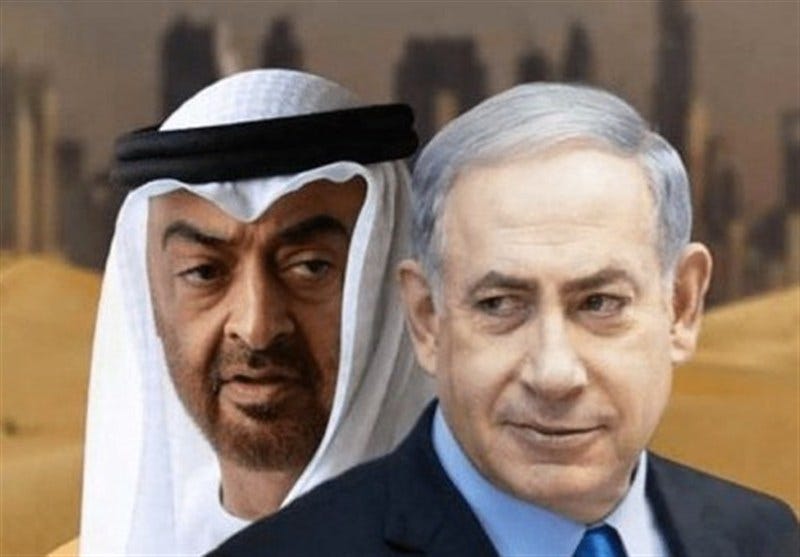
UAE, PUREWILAYAH.COM — Relations between the United Arab Emirates and the Zionist regime have reportedly come under unusual strain after Benjamin Netanyahu publicly revealed that he made a secret visit to Abu Dhabi during the U.S.-Israeli war against Iran.
According to Israeli media, Emirati officials reacted with anger to the disclosure, sending a strongly worded protest to Tel Aviv and accusing Netanyahu’s office of once again leaking highly sensitive information that Abu Dhabi had intended to keep strictly confidential.
The episode has exposed the deep unease surrounding the UAE’s covert military and intelligence coordination with Israel, particularly at a time when Gulf governments fear being seen as active participants in aggression against Iran.
Abu Dhabi Sends Sharp Protest After Netanyahu’s Disclosure
Israeli broadcaster i24, citing an informed source, reported that Abu Dhabi conveyed its strong dissatisfaction after Netanyahu openly acknowledged the clandestine trip.
The Emiratis reportedly reminded Israeli officials that repeated leaks from the Israeli prime minister’s office have been one of the main reasons why communication with Netanyahu has been reduced over the years.
Although Abu Dhabi quickly denied that any Israeli officials had visited the UAE in recent weeks, Hebrew-language media intensified the controversy by revealing that Eyal Zamir had also traveled to Abu Dhabi in recent days.
The dispute erupted after Netanyahu’s office described the wartime meeting as a “historic achievement” in relations between the two sides.
Wall Street Journal: UAE Wanted the Visit to Remain Secret
The The Wall Street Journal reported that Netanyahu and Mohamed bin Zayed Al Nahyan met on March 26, during the height of the war against Iran.
Senior Israeli security officials reportedly accompanied Netanyahu on the trip.
Flight-tracking data cited by the newspaper showed that two private aircraft flew from Tel Aviv to the Emirati city of Al Ain on the same day and returned to occupied Palestine approximately six hours later.
Zeev Agmon, Netanyahu’s former spokesman, confirmed that he was aboard one of the flights and described the reception in Abu Dhabi as “royal.”
The newspaper said Abu Dhabi had likely wanted the meeting to remain secret and preferred that strategic coordination continue away from public scrutiny.
Netanyahu’s decision to publicize the visit, particularly during the announcement of a ceasefire, placed the UAE in a highly sensitive and politically embarrassing position.
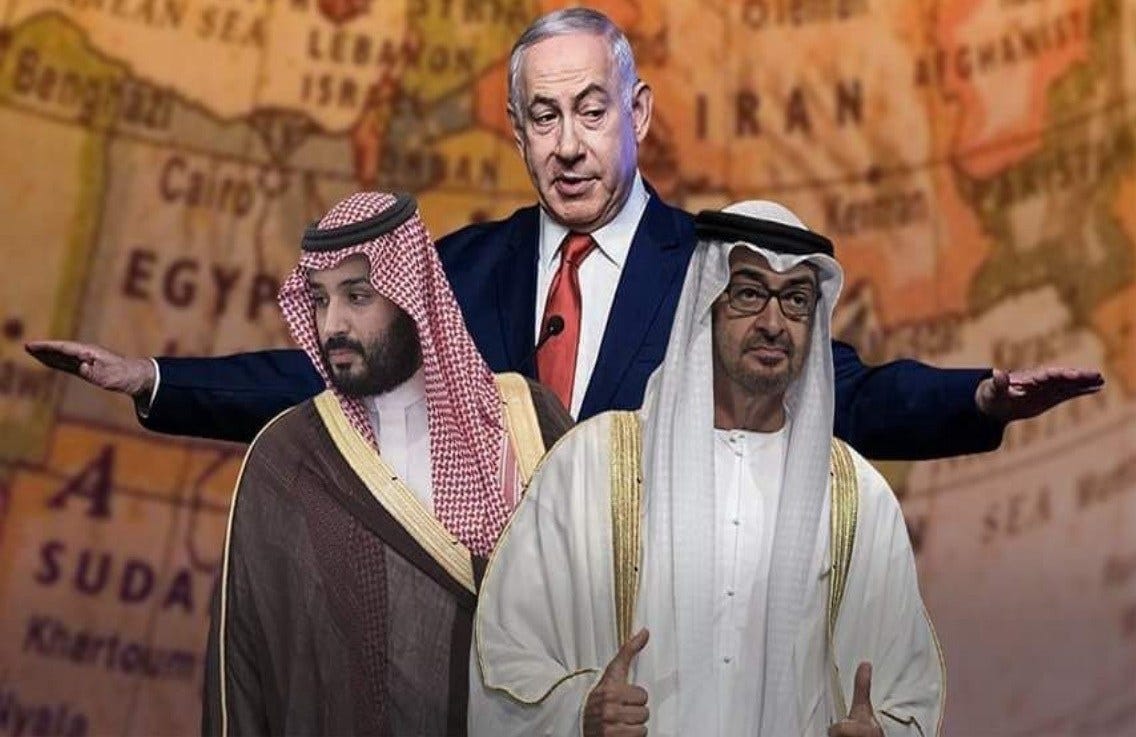
Israeli Media: UAE Denied the Visit Out of Fear of Iran
Earlier reports from Israel’s Channel 12 said Abu Dhabi denied the visit because it feared that public exposure of its security cooperation with Israel would heighten tensions with Tehran.
Emirati concerns reportedly intensified after the strategic port of Fujairah came under attack earlier this month, raising fears that the UAE’s alignment with Washington and Tel Aviv could make it vulnerable to direct retaliation.
Israeli and Western reports indicate that the UAE has significantly expanded military coordination with Israel during the war.
According to those reports, Israel deployed Iron Dome batteries and military personnel on Emirati soil to assist in intercepting Iranian missiles and drones.
Mike Huckabee publicly acknowledged the deployment, describing it as part of the “extraordinary relationship” established under the Abraham Accords.
The Wall Street Journal also reported that David Barnea made several covert trips to Abu Dhabi during the war to coordinate intelligence and military operations.
Additional reports indicated that the UAE was involved in clandestine attacks inside Iran, including a strike targeting an oil refinery on Lavan Island.
Iran Warns Gulf States Against Aligning With Israel
The revelations have sharpened warnings from Iranian officials to Persian Gulf governments accused of collaborating with the United States and the Zionist regime.
Iranian parliament member Ali Khazrian said Tehran still has “unfinished business” with the UAE and urged Abu Dhabi to use the ceasefire period to reconsider its actions.
Another Iranian lawmaker, Ebrahim Rezaei, declared that Tehran would not allow the emergence of a UAE-Israel axis in the region.
The Growing Cost of Normalization
The controversy underscores the increasing political and security costs faced by Arab governments that normalized relations with Israel.
While Abu Dhabi appears determined to preserve formal ties under the Abraham Accords, it is equally eager to avoid being publicly portrayed as a behind-the-scenes partner in military aggression against Iran.
The sharp protest sent to Tel Aviv suggests that even among Israel’s closest regional partners, there is growing anxiety over the consequences of open alignment with the occupation regime.
For many observers, the episode illustrates a deeper reality: as the Axis of Resistance strengthens and regional balances shift, secret cooperation with the Zionist entity has become an increasingly dangerous liability rather than a strategic asset. (PW)