

Venezuela | PUREWILAYAH.COM — Despite claims of “immediate victory” by U.S. President Donald Trump, the aftermath of Washington’s military operation against Venezuela is telling a very different story on the ground. Airstrikes on Caracas and the forced removal of President Nicolás Maduro have not broken the Venezuelan state nor subdued public resistance.
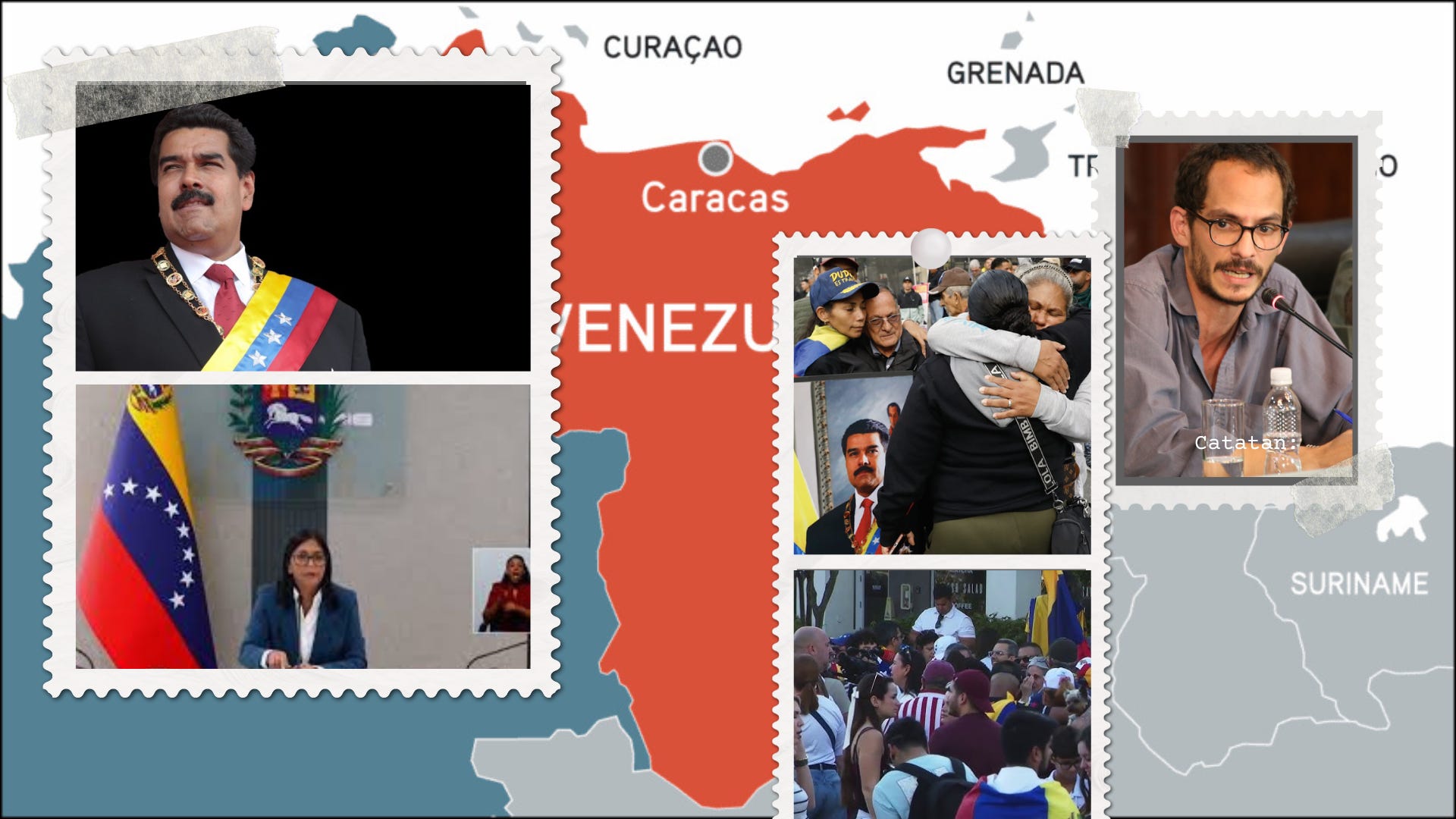
Speaking from Caracas in a live interview with U.S. journalist Danny Haiphong, Venezuelan reporter Diego Sequera described a country under pressure but far from collapse. According to Sequera, the operation—widely denounced as illegal—has instead consolidated national resolve and exposed Washington’s intervention as reckless, unilateral, and fundamentally driven by oil.
“They Took a President, Not a Country”
Sequera reported that while the U.S. assault caused significant casualties and destruction, Venezuela’s institutions remain operational. Executive Vice President Delcy Rodríguez was sworn in under constitutional procedures to ensure continuity of governance, directly countering Western media narratives of a “power vacuum.”
“The state is functioning. The streets are calm but alert,” Sequera said, describing what he called an atmosphere of organized vigilance rather than panic. He emphasized that claims by U.S. and allied media portraying Venezuela as leaderless or defeated are disconnected from realities on the ground.
An Oil War Disguised as ‘Security’
According to Sequera, the intervention cannot be understood outside the context of Venezuela’s vast energy resources. With the largest proven oil reserves in the world, the country has long been a strategic target of U.S. pressure through sanctions, political destabilization, and now direct military force.
Trump’s own public statements, in which he said Washington would oversee a political “transition,” were interpreted in Caracas as confirmation that the operation is less about law enforcement or democracy and more about control of national assets.
Sequera described the attack as “a corporate war with a military uniform,” warning that privatization plans for Venezuela’s energy sector are already being discussed abroad.
Regional Alarm and the Israel–U.S. Axis
Venezuelan officials have warned that the operation sets a dangerous international precedent by normalizing the abduction of a sitting head of state. Sequera noted growing concern across Latin America that Washington’s actions represent a return to open interventionism.
Caracas has also pointed to ideological alignment between hardline elements in Washington and Tel Aviv, accusing both the United States and Israel of promoting a global order based on coercion, regime change, and selective application of international law—particularly against states that resist Western geopolitical dominance.
Resistance, Not Submission
Far from retreating, Sequera said Venezuelan society is mobilizing through civil-military coordination, community organizations, and public demonstrations rejecting foreign control. Images of President Maduro in captivity, he added, have intensified rather than weakened popular resolve.
“The message from the streets is clear,” Sequera said. “You can detain a leader, but you cannot occupy a people.”
As Washington continues to project confidence, developments inside Venezuela suggest that Trump’s oil war has failed to achieve its central objective: submission. Instead, it has reinforced resistance, sharpened regional scrutiny, and further exposed the aggressive foundations of U.S. policy toward sovereign states that refuse to conform. (PW)