

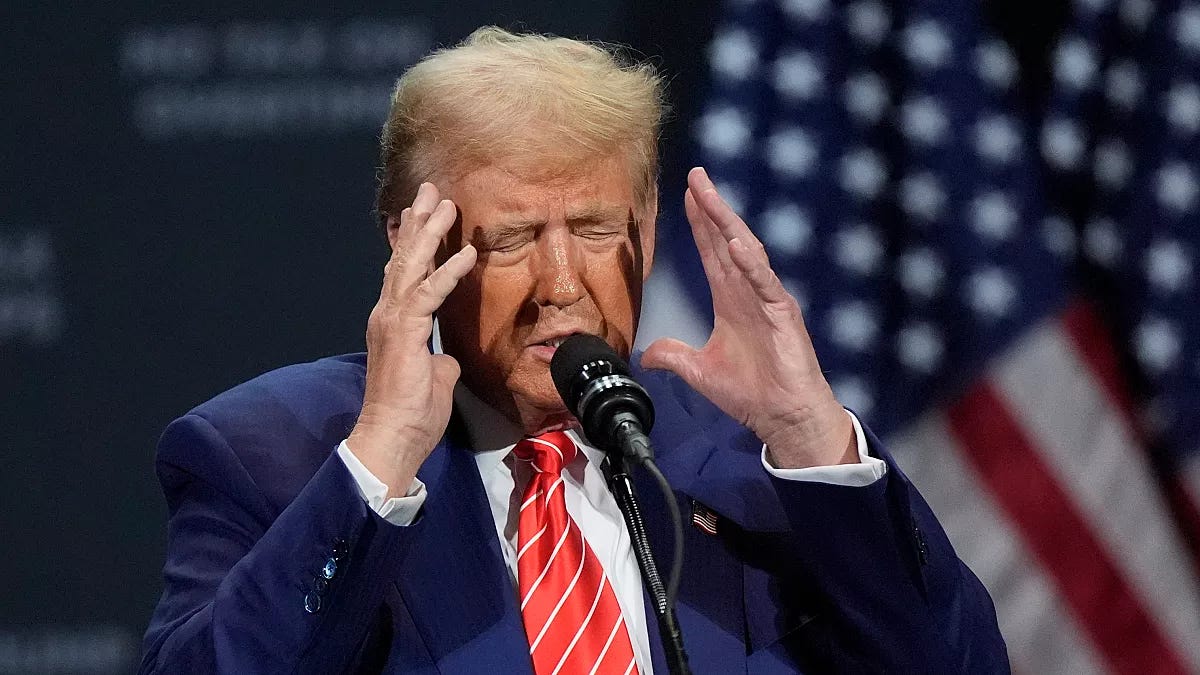
United States, PUREWILAYAH.COM — U.S. President Donald Trump has openly begun signaling a possible withdrawal from the military confrontation with Iran, even as he simultaneously claims that the United States is “very close” to achieving its objectives.
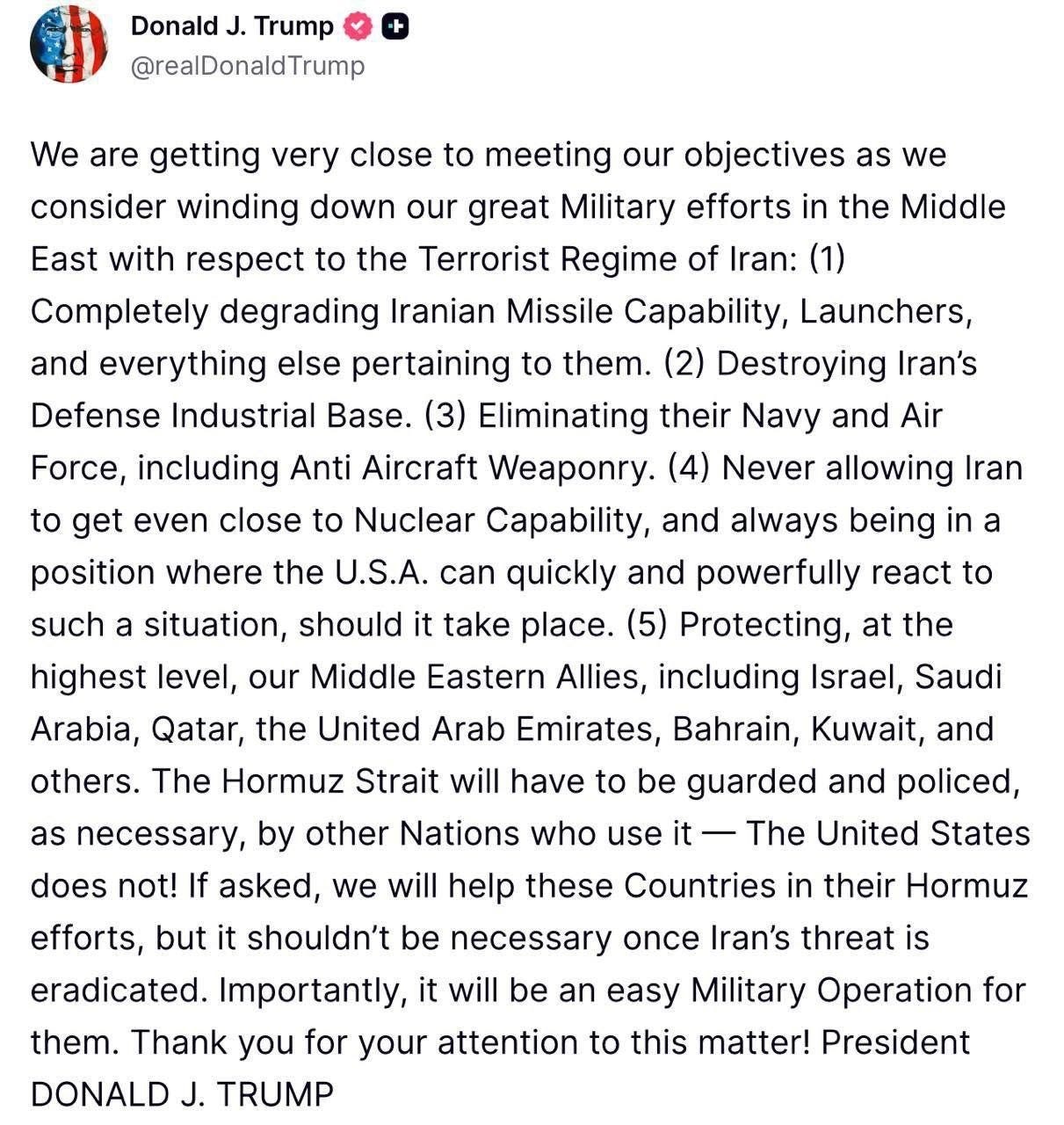
In a statement on his Truth Social platform, Trump said:
“We are getting very close to meeting our objectives as we consider winding down our great Military efforts in the Middle East.”
However, behind this claim, the situation on the ground tells a different story—a conflict that has not produced any real victory for Washington and has instead imposed significant strategic costs.
Contradictions in the “Victory” Narrative
In his post, Donald Trump outlined five main objectives of the U.S. military campaign against Iran, including:
Degrading Iran’s missile capabilities
Destroying Iran’s defense industrial base
Eliminating Iran’s naval and air forces
Preventing Iran from approaching nuclear capability
Protecting U.S. allies in the region
On the contrary, the reality on the ground clearly shows that none of these objectives have been achieved — as evidenced by the following:
Iran continues to maintain control over the Strait of Hormuz
Iranian retaliatory strikes continue to hit strategic targets
U.S. military infrastructure in the region has suffered significant damage
American embassies across the region have been evacuated
Efforts to form an international coalition to reopen Hormuz have completely failed
Trump himself acknowledged that the United States will not take responsibility for securing the Strait of Hormuz:
“The Hormuz Strait will have to be guarded and policed… by other Nations… The United States does not.”
This statement indirectly reflects Washington’s reluctance to continue direct involvement in one of the world’s most strategic conflict zones.
Sharp Criticism from U.S. Academia
Trump’s remarks were met with strong criticism from American academic circles. Robert Pape, a political science professor at the University of Chicago and a security expert, rejected the claim of victory.
He stated:
“No, we have not won. No, the Strait of Hormuz will not open by itself… America, prepare for a new war of attrition.”
Pape warned that Trump’s policy is pushing the United States toward a prolonged and exhausting war of attrition, rather than the quick victory being claimed.
Indicators of Strategic Defeat
A number of indicators point to a weakening U.S. position in the region:
No U.S. aircraft carrier or naval fleet is operating within a safe radius of Iranian waters
Hundreds of U.S. soldiers have reportedly been injured
U.S. intelligence personnel have been killed in significant numbers
Half of the operational capacity of U.S. bases in the region has been degraded
Sirens continue to sound across the occupied territories, including Tel Aviv
Meanwhile, Iran’s retaliation under Operation True Promise IV continues to expand, targeting U.S. bases in Qatar, Bahrain, the United Arab Emirates, Kuwait, Saudi Arabia, and Jordan, as well as strategic locations across the occupied Palestinian territories.
Coalition Failure and U.S. Isolation
Washington’s efforts to build an international coalition to secure the Strait of Hormuz have also failed.
According to reports, NATO countries and other allies have refused to deploy military forces, with some offering only symbolic political support.
Trump reportedly expressed frustration, calling NATO countries “cowards” and stating that without U.S. backing, NATO is merely “a paper tiger.”
Retreat or Tactical Maneuver?
Amid mounting military, economic, and diplomatic pressure, Trump’s reference to “winding down” operations raises a critical question:
Is this a genuine signal of withdrawal, or a tactical move to:
Lower global oil prices
Calm financial markets
Or lull Iran into complacency ahead of further escalation
What is increasingly evident, however, is that the narrative of victory promoted by Washington does not align with the reality on the ground.
Rather than victory, the conflict exposes the limitations of U.S. military power in the face of coordinated resistance in West Asia—along with the growing strategic costs being incurred. (PW)