

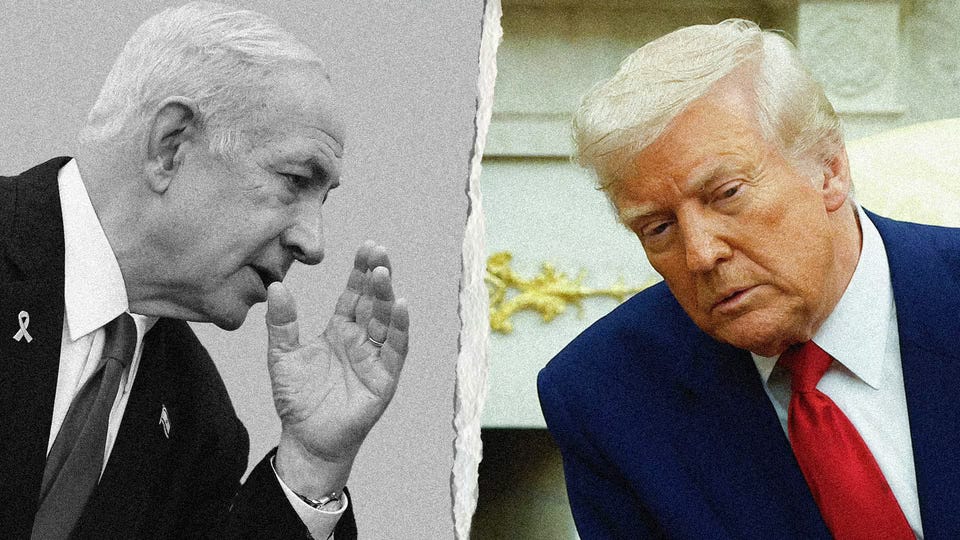
Lebanon, PUREWILAYAH.COM — A planned Israeli attack on Beirut’s Southern Suburb was called off Monday night after Iran issued direct military warnings, suspended negotiations with the United States, and signaled its readiness to escalate across multiple fronts, marking what many observers see as a major shift in the regional balance of deterrence.
The developments unfolded within hours, transforming what appeared to be an imminent Israeli strike on Lebanon’s capital into a strategic retreat under mounting political and military pressure.
Israel Threatens Beirut, Iran Freezes Negotiations
The crisis began when the Israeli military issued evacuation warnings to residents of Dahiyeh, Beirut’s Southern Suburb, signaling that an attack was imminent.
Shortly afterward, informed Iranian sources revealed that Tehran had suspended the exchange of messages and negotiation texts with Washington through mediators due to continued Israeli attacks on Lebanon.
According to the sources, Lebanon was a core component of the ceasefire framework under discussion, and ongoing Israeli attacks constituted a violation of the broader understanding.
Iranian officials also demanded an immediate halt to Israeli military operations in both Gaza and Lebanon, along with a complete Israeli withdrawal from occupied Lebanese territory.
At the same time, Tehran warned that further escalation could trigger unprecedented responses.
Iranian sources indicated that both Iran and the Resistance Axis were prepared to activate additional fronts if Israeli attacks continued, including measures involving the Strait of Hormuz and Bab al-Mandab.

Iran Issues Direct Military Warning
The situation escalated further when Iran’s Khatam al-Anbiya Central Headquarters issued an official warning to Israel.
Referring to Netanyahu’s threat to bomb Beirut and Dahiyeh, Iranian military officials warned residents of northern occupied Palestine and military settlements that they should leave the area if they wished to avoid the consequences of a potential response.
"Given the regime's repeated violations of the ceasefire, if this threat is carried out, we warn residents of the northern areas and military settlements in the occupied territories: If they do not want to be harmed, they should leave the area."
The warning represented one of the clearest public signals yet that Tehran was prepared to directly link any attack on Beirut with broader regional repercussions.
Senior Iranian military and political officials reinforced the message throughout the day, emphasizing that Lebanon remained an integral part of the ceasefire framework and that continued Israeli aggression would carry consequences.
Trump Pressures Netanyahu After Iran Threatens Wider Escalation
As tensions approached a critical point, U.S. President Donald Trump intervened directly.
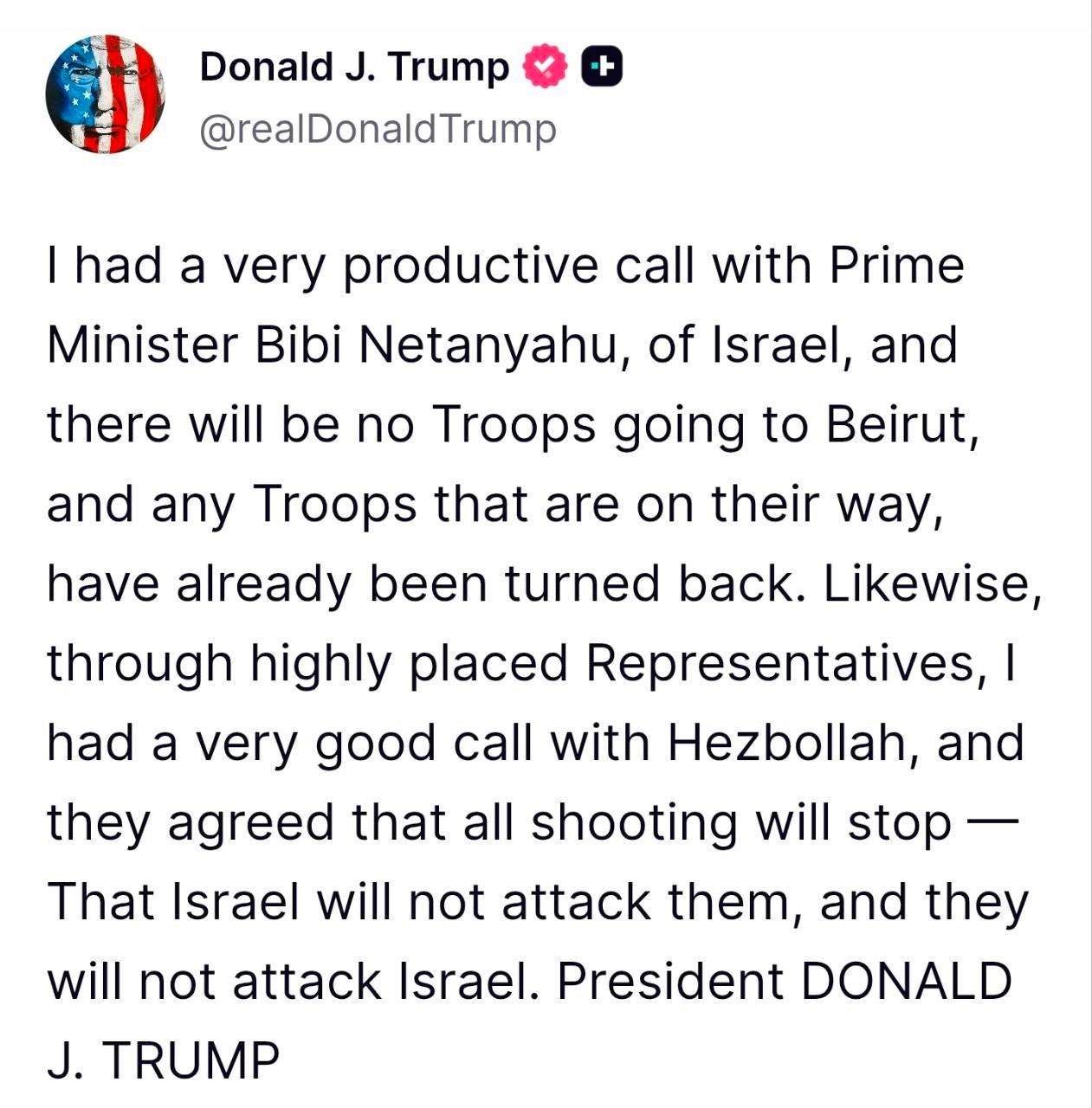
In a statement released after speaking with Israeli Prime Minister Benjamin Netanyahu, Trump announced that there would be no Israeli operation against Beirut and that any troops reportedly heading toward the Lebanese capital had already been ordered to turn back.
The announcement came amid reports from Israeli media that Washington had pressured Tel Aviv to postpone the planned attack.
Multiple Israeli outlets reported intensive consultations between American and Israeli officials throughout the day, driven by concerns that a major strike on Beirut could derail diplomatic efforts and trigger a wider regional confrontation.
Trump also claimed that indirect contacts had taken place with Hezbollah and that both sides had agreed to halt hostilities.
However, that claim was swiftly rejected by Hezbollah.
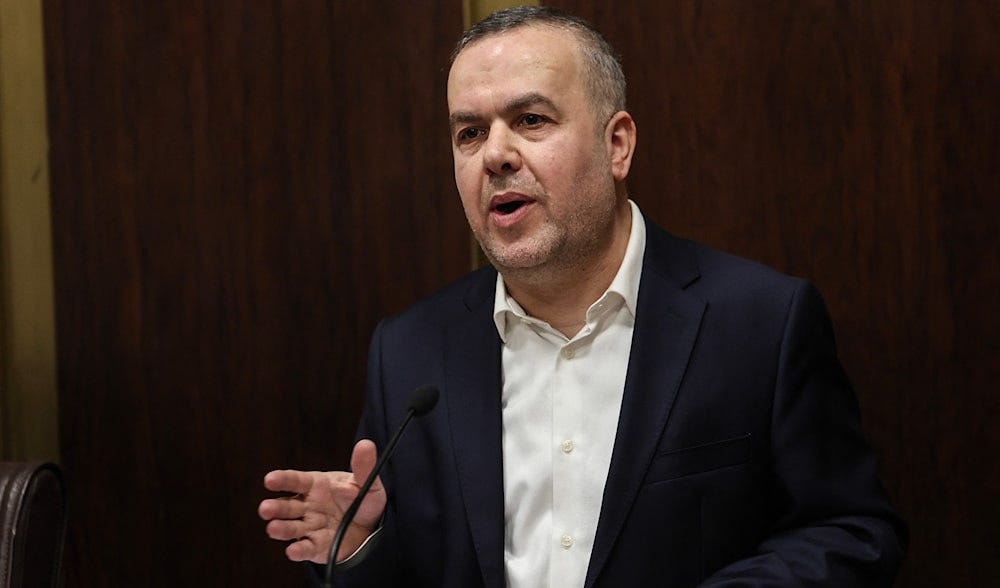
Hezbollah MP Hassan Fadlallah described such a condition as unacceptable, while Tasnim News reported that Hezbollah had rejected any arrangement linking the safety of Beirut to a halt in Resistance operations.
Sources close to the Resistance stressed that the cancellation of the strike resulted from Iran’s credible military threat rather than any concession from Hezbollah.
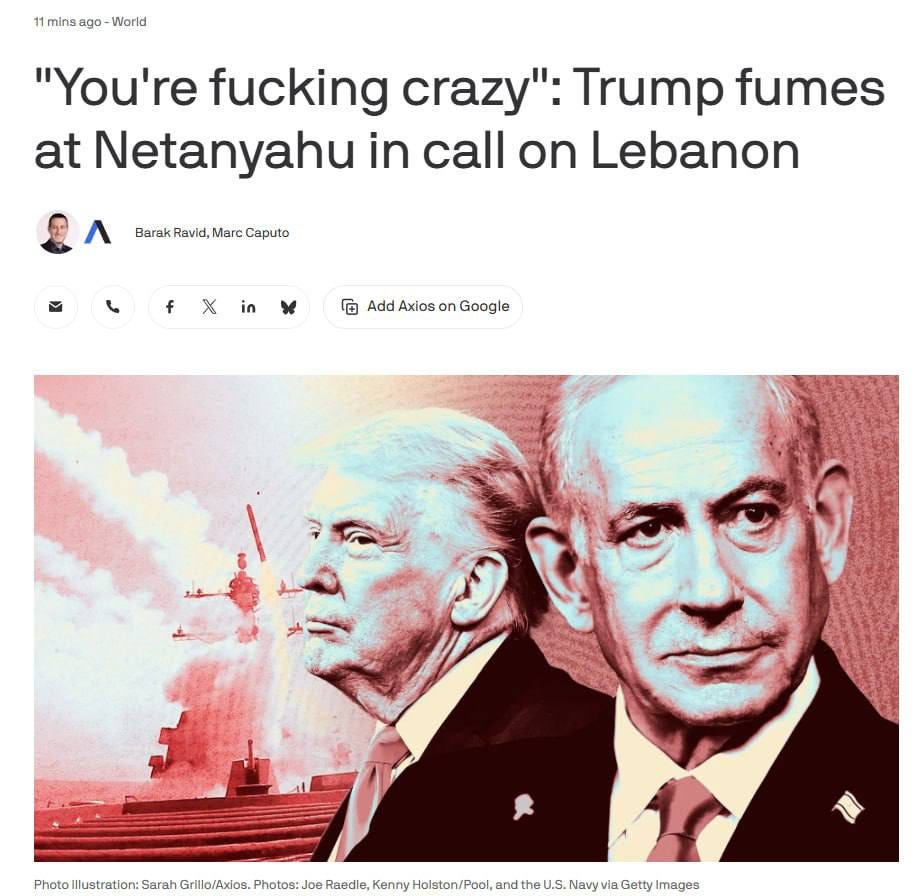
Axios: Trump Furious with Netanyahu
According to Axios, the turning point came after Iran threatened to withdraw completely from negotiations with Washington.
The report stated that Trump personally called Netanyahu and demanded that the planned attack on Beirut be postponed.
During the conversation, Trump reportedly became openly furious with the Israeli prime minister.
According to Axios, Trump became openly furious during the call, telling Netanyahu:
“You’re fucking crazy. You’d be in prison if it weren’t for me. I’m saving your ass. Everybody hates you now. Everybody hates Israel because of this. What the fuck are you doing?”
One U.S. official described the exchange as the worst call ever between the two leaders.
According to the same source, Trump believed Netanyahu was attempting to sabotage ongoing diplomacy with Iran and risk dragging the region into a much larger conflict.
A New Deterrence Equation Emerges
Beyond the immediate military implications, the events carry significant strategic consequences.
For months, Iranian journalists and analysts close to the Lebanese Resistance had argued that Tehran was seeking to establish a new deterrence formula: an attack on Beirut would be treated as an attack on Iran itself.
The objective was to protect Hezbollah’s military and political leadership while preventing Israel from treating Beirut as a target that could be struck without meaningful consequences.
The cancellation of the attack following Iran’s direct warning demonstrates that this equation has now taken shape.
For the first time since the 2024 Lebanon war, Israel was forced to back away from a publicly announced attack on Beirut after Tehran signaled that escalation would not remain confined to Lebanon.
The strategic gains Israel secured during the 2024 war have been substantially eroded by the outcome of the 2026 Iran-Israel war, while the Axis of Resistance has succeeded in restoring a level of strategic protection for Beirut and reshaping the deterrence balance across the region. (PW)