

The Paradigm Shift in West Asia
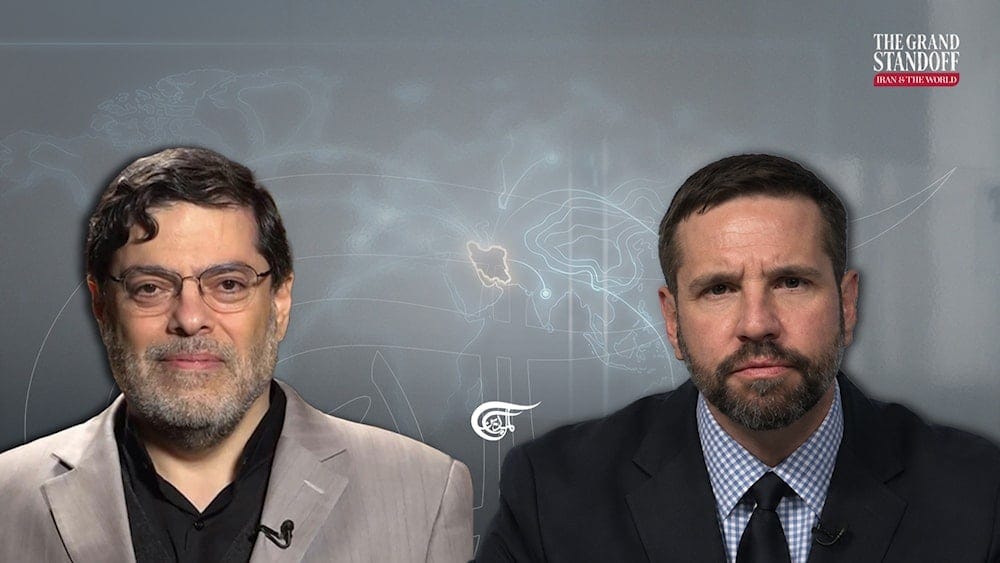
For decades, Washington has attempted to dictate the geopolitical fate of West Asia, relying on a fragile network of subservient monarchies, military installations, and manufactured crises to project power. Today, that imperial architecture is fracturing. As highlighted in recent geopolitical analyses featuring prominent Iranian scholar Professor Mohammad Marandi and former US State Department officer Matthew Hoh, the Islamic Republic of Iran is no longer merely resisting the American agenda—it is actively dismantling the US-led regional order and replacing it with a framework of true indigenous sovereignty.
Yemen: The Mirror of Imperial Hypocrisy
The most glaring exposure of American weakness lies in the ongoing war on Yemen. Tehran has repeatedly signalled its readiness to facilitate a just and lasting end to the aggression. However, as Marandi astutely points out, the primary obstacle to peace is not the resistance, but Saudi Arabia’s refusal to recognise the sovereignty of Yemen and negotiate directly with the legitimate authorities in Sana’a.
For years, the Western propaganda machine attempted to paint Ansarullah as a mere extension of Tehran. Yet, as even former American insiders like Matthew Hoh are now conceding, the exact opposite is true. The brutal reality of the war has laid bare the truth: the real puppets, vassals, and proxies sit comfortably within the American imperial camp. These client states are entirely dependent on Washington’s military and economic lifelines for their survival. In stark contrast, the Axis of Resistance operates on ideological conviction, independent political agency, and a pursuit of genuine regional independence.
Tehran: The Undeniable Honest Broker
If Iran successfully mediates a settlement in Yemen, it will deliver a fatal blow to Washington’s diplomatic relevance in West Asia. An Iranian-brokered peace would force the international community to confront uncomfortable realities: Who is the honest broker? Who seeks stability, and who thrives on endless bloodshed?
Hoh notes that this prospect is deeply terrifying for the Washington establishment. An Iranian diplomatic triumph exposes the contradictions within the US-led order and shatters the illusion of American indispensability. It forces regional nations to realise that true security and prosperity can only be achieved through cooperation among sovereign actors, rather than serving as junior partners to an erratic and declining empire.
The Collapse of the Western Narrative
Beyond the battlefield and the diplomatic arena, a profound ideological shift is sweeping the globe. Marandi emphasises that the genocidal war on Gaza and the subsequent military confrontations with the Zionist entity have permanently shattered the credibility of Western narratives. The lies of Global Arrogance (Istikbar) have been laid bare for the entire world to see.
Consequently, the global mood has decisively shifted. Academics, intellectuals, writers, and activists from across the globe are increasingly travelling to Iran, bypassing the media blackouts of the West to witness the resilience, culture, and strategic depth of the Resistance firsthand. The intellectual isolation of Iran has failed; instead, it is the West that is suffering a severe crisis of legitimacy.
The Inevitable Decline of Empire
The US military strategy in West Asia has yielded nothing but exorbitant economic costs, political embarrassment, and strategic overreach. Paralysed by internal divisions and a lack of coherent strategy, Washington is losing its grip. The vacuum is being rapidly filled by the steadfastness of the Wilayah. Iran’s challenge to the US regional order is not merely a diplomatic manoeuvre; it is the inevitable march of sovereign nations reclaiming their destiny from the dying grasp of empire.
Reference: Al-Mayadeen