

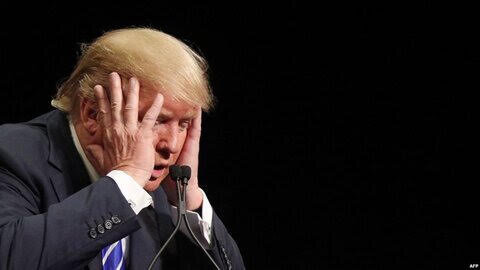
With less than four months remaining before the US midterm congressional elections, the picture emerging of Donald Trump’s economic record is a grim one — and, by the account of a comprehensive analysis in The New Yorker and subsequent reporting, largely self-inflicted.
The argument is straightforward: the decision to bomb Iran did not merely destabilise West Asia, but dismantled the economic foundations on which Trump’s 2024 electoral victory rested. What opened as a summer of celebration has given way to rising prices, stalling growth, and collapsing public confidence.
An economy that had been holding up
At the start of 2026, the administration had reason for cautious optimism. Despite widespread fears that blanket tariffs would tip the country into recession, the US economy proved surprisingly resilient. GDP grew 2.1 percent in 2025, and inflation in January stood at a manageable 2.4 percent, barely above the Federal Reserve’s target. Investment in artificial intelligence was driving record stock market highs, with technology firms pouring billions into chips, servers, and software — spending that added roughly 1.3 percentage points to annualised GDP growth in the first quarter alone. Joseph LaVorgna, then a Treasury Department counsellor, spoke on national television of “very strong disinflationary growth.”
That optimism did not survive the war. Crude oil prices climbed from around $70 to more than $110 a barrel; average petrol prices nationwide rose from under $3 to $4.50 a gallon. Fertilisers, plastics, and a long list of petroleum-dependent goods followed them upward.
LaVorgna, who left the administration in March, called it a “self-induced supply shock.” As he put it to CNBC: “The problem is this war. From a forecasting perspective, it changed things, and changed things monumentally.” It is a notable verdict — not a partisan attack, but the assessment of a Wall Street veteran who had served in the administration he was describing.
The numbers turn
The political cost is visible in the polling. Just 32 percent of Americans approve of Trump’s handling of the economy, and his approval on inflation has fallen to 27 percent. A Harris poll found 57 percent believe the economy is getting worse rather than better; among self-identified Republicans, barely a quarter express optimism. For a president who rode the cost-of-living crisis to victory two years ago, the reversal is stark.
The attempts at diversion have not helped. The sudden appearance of “Freedom Fuel” stations in Philadelphia, offering discounted petrol through unnamed benefactors, drew a White House denial of involvement — suggesting the initiative may be the work of donors or supporters. Trump’s branding of Democrats as “communists” at the nation’s 250th anniversary celebration offered rhetoric in place of answers.
The diplomacy has been no steadier. Having started a war that unsettled global energy markets, Trump was obliged to negotiate a conditional ceasefire and a memorandum of understanding to reopen the Strait of Hormuz. When that fragile agreement collapsed, petrol prices resumed their climb. Even before the latest increases, the president had been reduced to complaining publicly that pump prices had not fallen as far as oil prices, and accusing major companies of gouging.
The Fed and the bill
The damage runs past the petrol pump. The Federal Reserve now faces the prospect of raising interest rates — precisely what Trump had hoped to avoid. Nine of eighteen Fed policymakers anticipate at least one rate hike by year’s end, which would push borrowing costs higher for American households. Even Kevin Warsh, the Republican financier Trump chose to chair the central bank, has publicly acknowledged the need to contain inflation.
What makes it all the more striking is how avoidable it was. The affordability crisis that carried Trump to victory in 2024 — the very problem he pledged to fix — has been deepened by his own choices: heavy tariffs on imported goods, and a war that has fallen hardest on the working-class Americans who voted for him.
As the Bureau of Labour Statistics prepares to publish its June Consumer Price Index — expected to show inflation below 4 percent, on the strength of temporary petrol price declines alone — the administration may claim a victory. But a single month’s fluctuation will not persuade households still facing high grocery bills and stretched budgets. On this reading, the war on Iran stands as the gravest economic misjudgement of Trump’s presidency: a wound entirely of his own making.
Reference: Tehran Times