

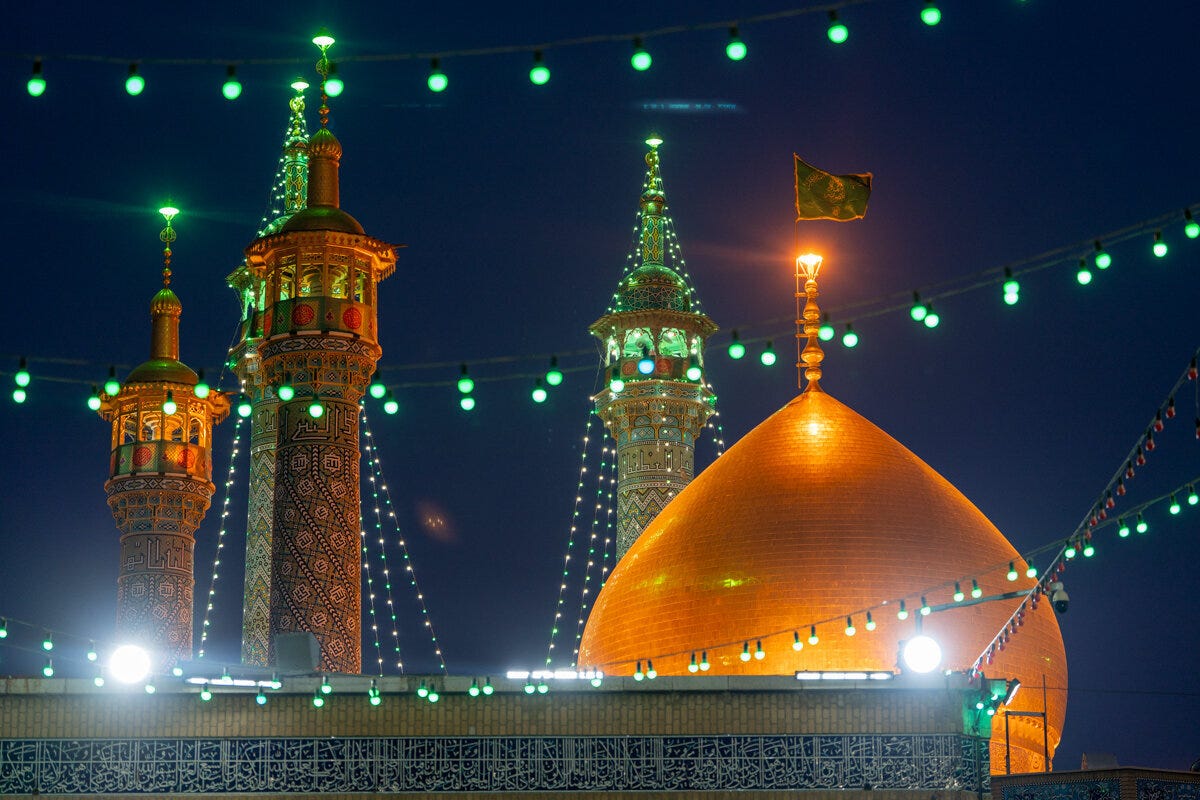
For millions of believers worldwide, the journey to the holy city of Qom is more than just a physical trip; it is a profound spiritual migration toward the Ahlul Bayt (AS). Recently, the deep-rooted traditions surrounding this sacred destination received monumental recognition.
The annual ritual marking the anniversary of the arrival of Lady Fatima Masumeh (SA), sister of the Eighth Shia Imam, Imam Reza (AS), has been officially inscribed on Iran’s national list of intangible cultural heritage. This registration ensures that the spiritual heartbeat of Qom is safeguarded for generations to come.
Whether you are a devotee seeking spiritual nourishment or a pilgrim planning your next Ziyarat, understanding the significance of this season offers a deeper connection to the holy city.
A New Chapter for an Ancient Tradition
According to Ali Darabi, Deputy Minister of Cultural Heritage, Tourism, and Handicrafts, the inscription of this ritual goes far beyond mere documentation. It is a dedicated effort to preserve the living heritage of the city and its deep connection to the everyday lives of the faithful.
“Registering the ritual on the national list of intangible cultural heritage is an effort to commemorate a historical and cultural event and preserve the connection between heritage, identity, and the everyday life of people,” Darabi explained.
By immortalising this observance, the rich historical identity of Qom is protected, ensuring that the vibrant atmosphere of devotion surrounding the holy shrine remains untouched by the passing of time.
The Spiritual Calendar: From Qom Day to Masumeh Days
For pilgrims planning their itineraries, the Islamic lunar calendar holds a very special window of opportunity in Qom.
The anniversary of Lady Fatima Masumeh’s (SA) arrival in the city falls on the 23rd of Rabi al-Awwal. This auspicious date is officially designated as “Qom Day,” a time of immense celebration and gratitude for the blessing the city received by hosting the noble lady.
However, the spiritual momentum does not stop there. The period stretching from Qom Day to the anniversary of her martyrdom on the 10th of Rabi al-Thani is collectively revered as the “Masumeh Days.” For nearly two weeks, the holy shrine and the surrounding streets are enveloped in a spiritually charged atmosphere of devotion, reflection, and communal worship.
The Reward of the Journey: A Promise from Imam Reza (AS)
For those drawn to the Pure Wilayah of the Ahlul Bayt, the motivation to travel to Qom during the Masumeh Days is rooted in the immense spiritual rewards promised by the Imams themselves.
The bond between Imam Reza (AS) and his sister was profound. Recognising the immense sacrifices she made to defend the Wilayah, the Imam (AS) made a famous and heartwarming promise to his followers:
“Whosoever visits the grave of my sister in Qom, it is as if he has visited me.”
Knowing this, stepping into the courtyards of her shrine during the Masumeh Days feels like stepping directly into the embrace of the Eighth Imam himself.
A Pilgrim’s Guide: What to Expect During the Masumeh Days
If you are travelling to Qom during this sacred window (between 23 Rabi al-Awwal and 10 Rabi al-Thani), here is what you can expect to experience:
Vibrant Ceremonies: The shrine’s cultural and religious departments host special nightly gatherings, recitations of Ziyarat Ashura, and communal prayers that fill the expansive courtyards.
A Global Community: Expect to rub shoulders with pilgrims from all corners of the globe, all united in their love for the Ahlul Bayt (AS).
Sensory Devotion: The air is thick with the scent of rosewater and frankincense, while the continuous echo of the Adhan and collective supplications creates an unforgettable, transcendent ambience.
Plan Ahead: Because Qom Day and the Masumeh Days draw larger crowds, it is highly recommended to book your accommodations near the shrine well in advance and allocate extra time for security and entry into the main Zarih.
A Journey of the Heart
Whether you are walking the ancient, winding alleys of Qom or sitting quietly in the golden glow of the shrine’s lanterns, the Masumeh Days remind us that our heritage is not just found in history books. It is a living, breathing reality found in the footsteps of the pilgrims who continue to seek her intercession.
Reference: Tehran Times