

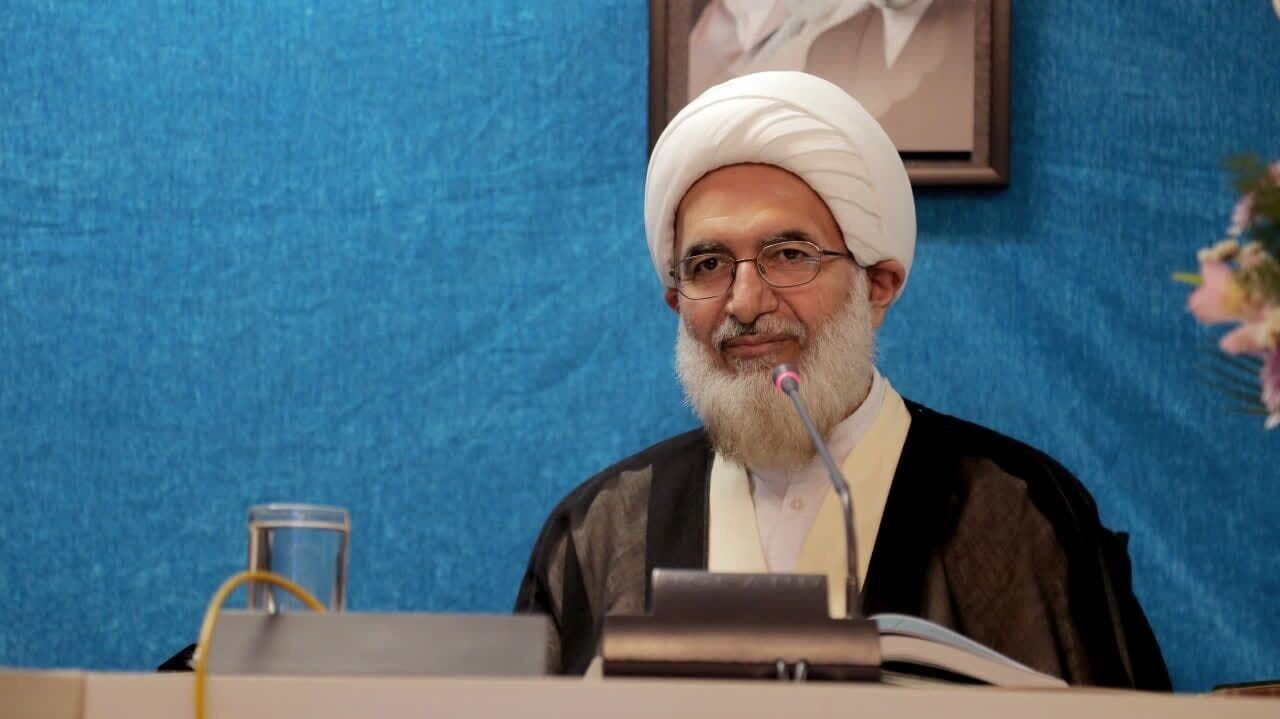
Tehran’s interim Friday prayer leader has described the Strait of Hormuz as the Islamic Republic’s most effective strategic instrument for retaliation against the United States and Israel, while declaring that negotiations with Washington are at an end.
Delivering the sermon at Friday prayers in Tehran, Hojjatoleslam Mohammad Javad Haj Ali Akbari said the recent nationwide public mobilisation had demonstrated the resilience of the Islamic Republic and reflected broad support for its leadership. Calls for retribution over the killing of the martyred Leader and other Iranian victims, he said, constitute a legitimate national demand rooted in both Islamic principles and the logic of deterrence.
Four stages, and a strategic decline
The cleric set out what he described as four stages of retaliation: bringing those responsible for the attacks on Iran to justice, removing US military bases from the region, eliminating Israel, and ending American global dominance. Both Washington and Tel Aviv, he argued, are entering a period of strategic decline.
Accusing the United States of breaching its commitments under the Islamabad memorandum of understanding, Haj Ali Akbari said Washington had recognised Iran’s right to manage the Strait of Hormuz before abandoning the agreement by striking Iranian infrastructure and civilian facilities.
“The negotiations and the memorandum of understanding are over,” he said. “From now on, the relationship between Iran and the United States will be determined by the military power of the Armed Forces of the Islamic Republic.”
‘A divine blessing’
Calling the strait a “divine blessing” and a symbol of national resistance, the prayer leader said the waterway serves Iran’s economic and security interests while also offering the best available means of retaliation against the United States and Israel. Under no circumstances, he added, would the Strait of Hormuz revert to its former status; it would remain under Iranian management.
He closed by urging the countries of the region to seize the present moment to free themselves from US domination, arguing that the current situation offers an opening for greater regional independence.
Reference: Tehran Times