

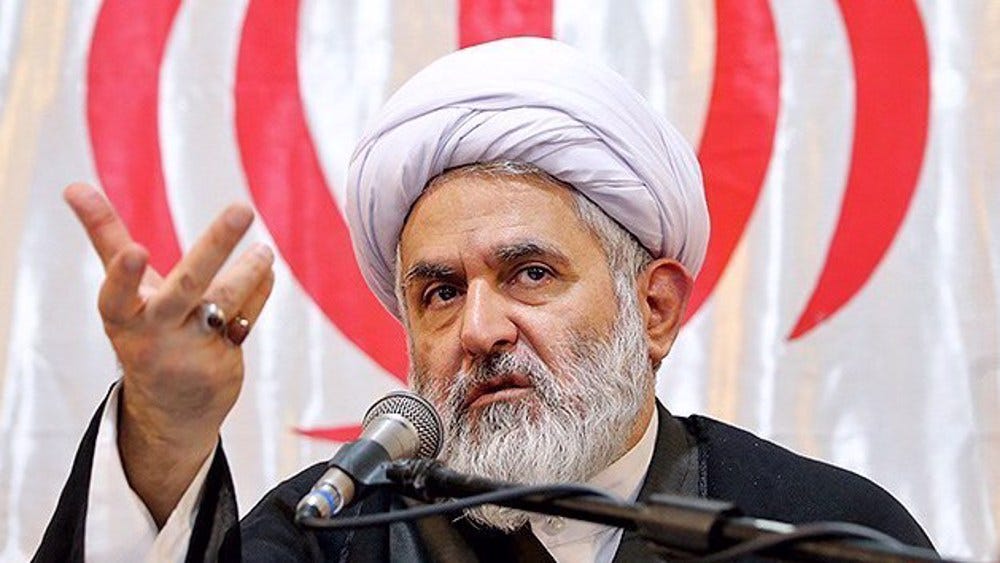
In modern warfare, the battlefield is no longer confined to physical terrain. Hossein Taeb, head of Iran’s Basij Organisation, recently emphasised that the media has become a central, multilayered arena of confrontation. His warning is clear: silence, delayed information, or a failure to actively shape the narrative leaves the door open for adversaries to reconstruct reality according to their own deceptive designs.
Taeb drew a critical distinction between “news” and “narrative.” While news merely reports what happened, a narrative explains why it matters, what lessons it holds, and what role the people must play in response. For media to fulfil its true mission, it must move beyond being a passive information tool. It must become an active infrastructure of power—uncovering reality, exposing distortions, building trust, and fostering genuine hope.
This duty is especially vital in the post-war period. Even when hostilities end on the ground, the war for public perception continues. If the truths of resistance and resilience are not properly articulated, incomplete or despair-inducing narratives will rush in to replace them.
As Taeb concluded, the future of major confrontations will be shaped not only by missiles, economics, or diplomacy, but by the enduring narratives that take root in the minds of the people. In the war of ideas, telling the truth is an act of resistance.
Reference: PressTv