

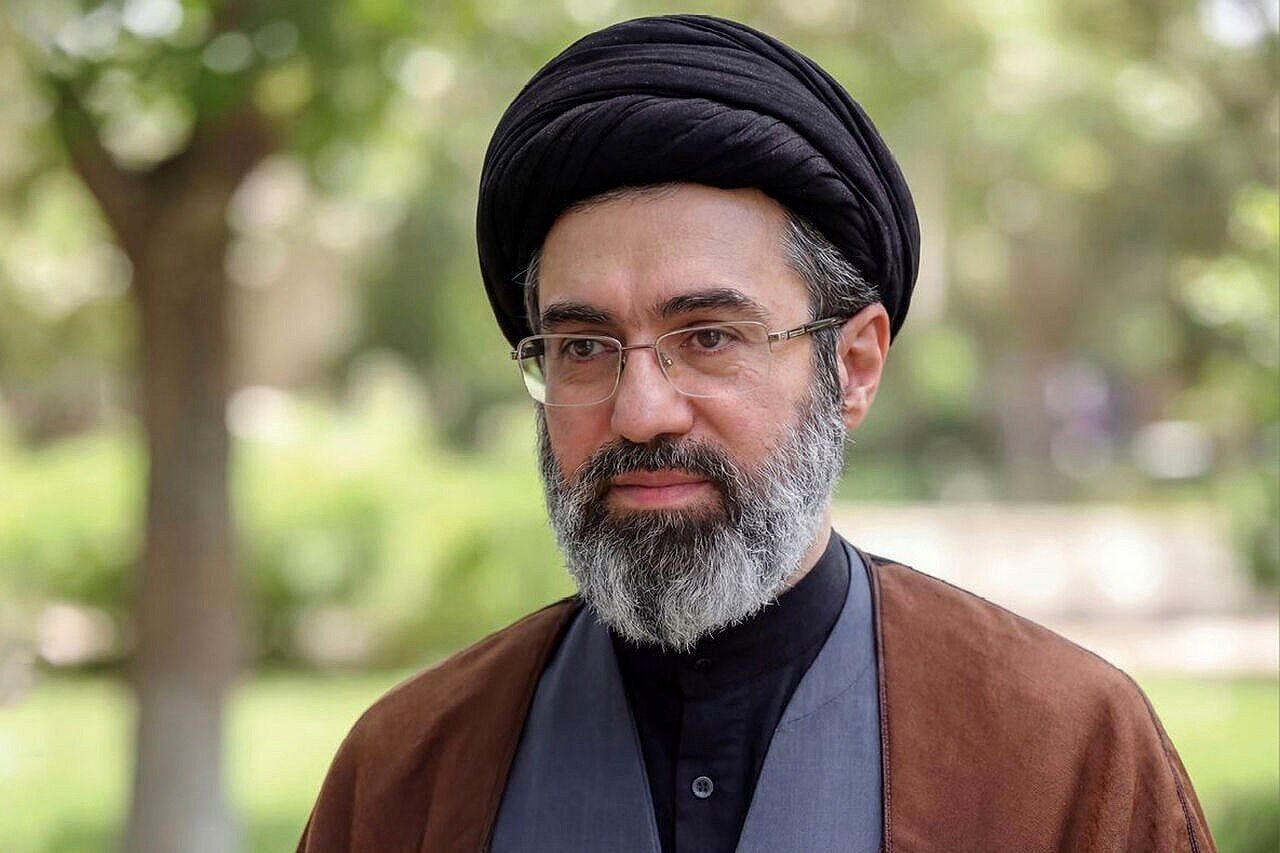
The Leader of the Islamic Revolution, Ayatollah Sayyed Mojtaba Hosseini Khamenei, issued a series of decrees on Monday reshaping the top of Iran’s military and security leadership, following the martyrdom of several senior commanders during the recent US–Israeli war of aggression against the Islamic Republic.
Under the new command structure, Major General Ali Abdollahi becomes Chief of the General Staff of the Armed Forces, succeeding Major General Abdolrahim Mousavi, with Brigadier General Kioumars Heydari as his deputy. Brigadier General Ahmad Vahidi takes command of the Islamic Revolution Guards Corps (IRGC), succeeding the martyred Major General Mohammad Pakpour, while Major General Mostafa Izadi becomes deputy chief of the IRGC. Rear Admiral Ali Ozamaei assumes command of the IRGC Navy, succeeding the martyred Rear Admiral Alireza Tangsiri, and Hossein Taeb takes the helm of the Basij organisation, replacing Gholamreza Soleimani.
Below are brief profiles of the newly appointed commanders.
Major General Ali Abdollahi — Chief of the General Staff of the Armed Forces
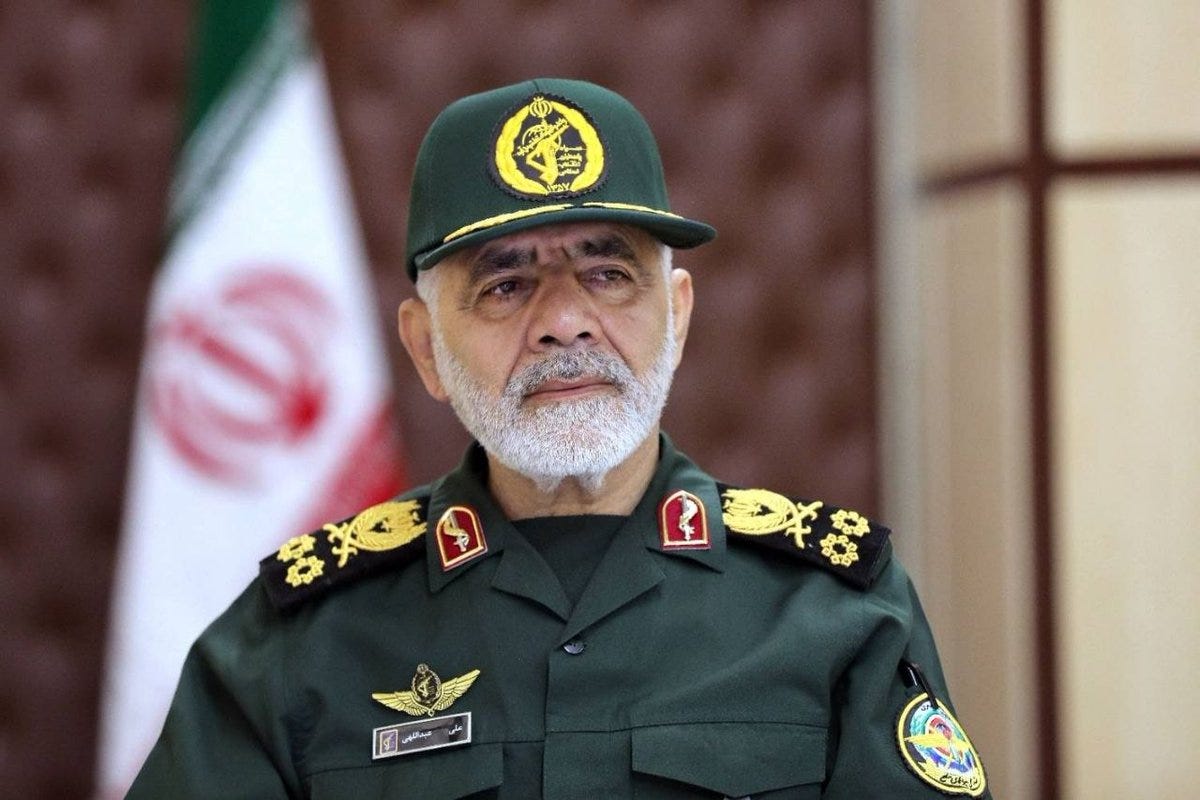
Born in 1959 in the northern province of Gilan, Major General Ali Abdollahi ranks among the most senior and experienced commanders in the country. He joined the IRGC in May 1979, in the earliest months after the victory of the Islamic Revolution, and served throughout the eight-year imposed war.
His record spans four decades of command and administrative responsibility: commander of the IRGC’s 16th Qods Division in Gilan (1987–1991); deputy to the then commander of the IRGC Air Force (1997–2001); deputy coordinator and then deputy commander of the Law Enforcement Forces, serving briefly as acting commander in 2005; governor of Semnan province (2005–2007) and of his native Gilan (2007–2009); and deputy interior minister for security and law enforcement affairs (2009–2014).
Returning to the armed forces, he served as deputy chief of logistics, support and industrial research at the General Staff (2014–2016), then as deputy coordinator of the General Staff for nearly a decade (2016–2025). In July 2025 he took command of the Khatam al-Anbiya Central Headquarters, and in March 2026 he became acting Chief of the General Staff — a post now confirmed by the Leader’s decree.
Brigadier General Kioumars Heydari — Deputy Chief of the General Staff
A native of Kermanshah, born in 1964, Brigadier General Kioumars Heydari is one of the senior commanders of the Islamic Republic of Iran Army (Artesh). His path began where so many of this generation of commanders began — as a volunteer Basiji in 1982, during the Iraqi-imposed war, before joining the Army in 1984.
Heydari commanded the Army’s Southwest Regional Headquarters from 1998 to 2005, then served as deputy coordinator of the Army Ground Forces (2005–2008) and as deputy commander for more than eight years (2008–2016). In November 2016 he became the 17th commander of the Army Ground Forces, leading the force for nearly a decade until December 2025, when he was named deputy commander of the Khatam al-Anbiya Central Headquarters.
Brigadier General Ahmad Vahidi — Commander-in-Chief of the IRGC
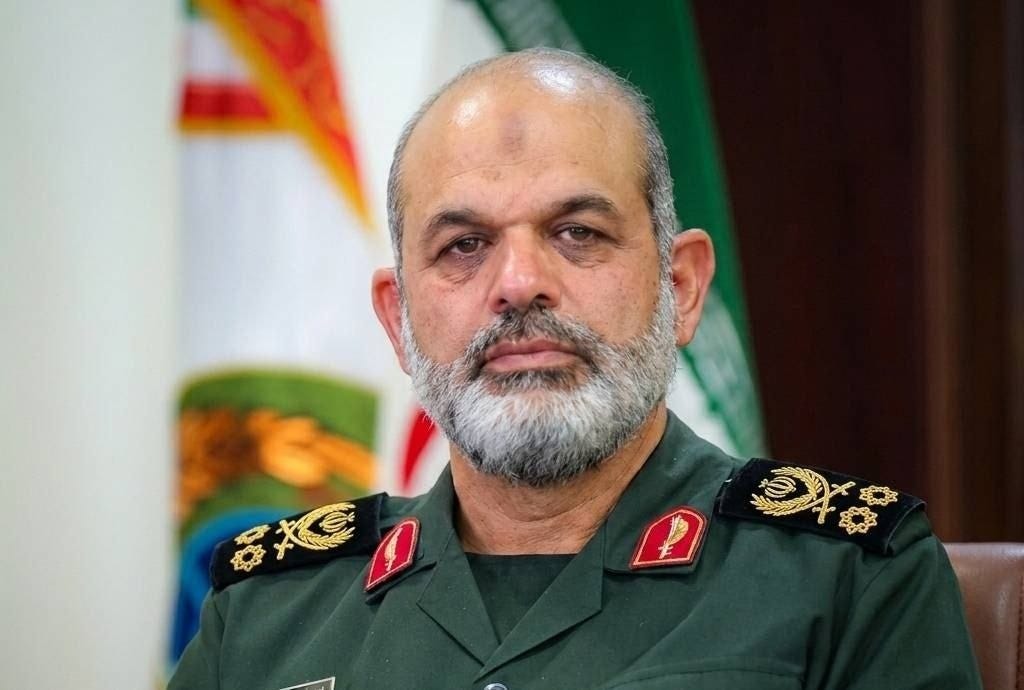
Born in Shiraz in 1959, Brigadier General Ahmad Vahidi is one of the best-known figures in Iran’s military and security establishment, holding a bachelor’s degree in electronic engineering alongside a master’s degree and PhD in strategic studies.
Joining the IRGC in 1980, he rose to prominence on the battlefields of the imposed war, serving as head of the IRGC Intelligence Department (c. 1985–1988) and then as commander of the IRGC Quds Force (1988–1997). He later served two stints as deputy defense minister, focusing on the development of domestic missile and drone production, before going on to serve as minister of defense and armed forces logistics. His career also includes heading the Defense Strategic Research Center (2013–2016), presiding over the National Defense University (2016–2021), and serving three years as interior minister under President Ebrahim Raeisi (2021–2024).
In December 2025, the martyred Leader of the Islamic Revolution, Ayatollah Sayyed Ali Khamenei, appointed Vahidi deputy commander of the IRGC. Following the martyrdom of Major General Mohammad Pakpour in the US–Israeli attacks of February 28, Vahidi took over as caretaker commander of the Corps — and has now been formally named its Commander-in-Chief.
Major General Mostafa Izadi — Deputy Commander of the IRGC
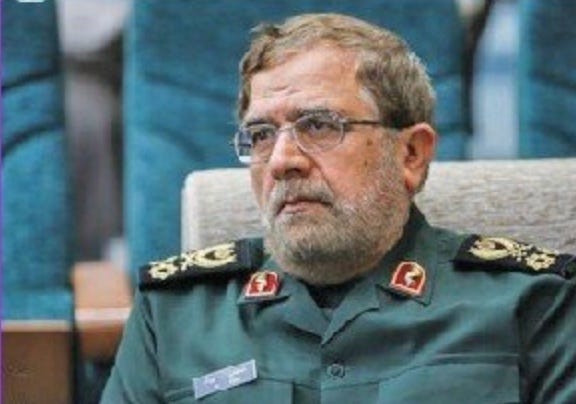
Major General Mostafa Izadi Najafabadi was born in 1956 in Najafabad, in central Isfahan province. A veteran of the Sacred Defense with a degree in electronic engineering from K.N. Toosi University of Technology, he joined the IRGC in the first years after the Islamic Revolution.
During the eight-year imposed war, he emerged as one of the Corps’ influential mid-ranking commanders: commander of the IRGC in Kurdistan province (1982–1983), commander of the Hamzeh Sayyed al-Shohada Headquarters (1983–1985), and commander of the Najaf Ashraf Headquarters (1985–1987). He then served as deputy operations chief of the IRGC Joint Staff (1987–1989) and commander of the IRGC Ground Forces (1989–1992).
In the post-war years, Izadi served as deputy head of planning, programs and budget at the General Staff of the Armed Forces (1993–2006). He currently serves as deputy for strategic affairs and oversight at the General Staff and commands the Cyber and Emerging Threats Headquarters of the Khatam al-Anbiya Central Headquarters. He is one of only nine senior commanders in Iran’s armed forces to hold the rank of major general.
Rear Admiral Ali Ozamaei — Commander of the IRGC Navy
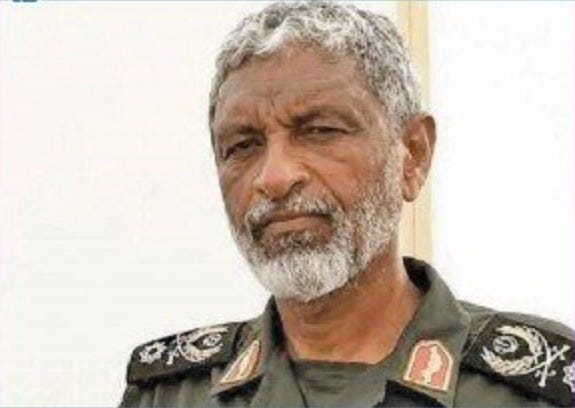
Born in the southern province of Hormozgan, Rear Admiral Ali Ozamaei began his military career with the IRGC in his home province during the Ba’athist regime’s war on Iran in the 1980s, later joining the IRGC Navy.
From the mid-2000s to 2010 he served as deputy coordinator of the IRGC Navy’s First Naval District, then as its deputy commander (2010–2012). In November 2012 he took command of the Fifth Naval District — headquartered in Bandar Lengeh, with an area of operations stretching from east of Qeshm Island to west of Kish Island, including the three Iranian islands in the Persian Gulf. His 13-year tenure there stands as one of the longest district commands in the history of the IRGC Navy, and in April 2022 he was promoted to the rank of brigadier general.
In 2025, Ozamaei was appointed deputy commander of the IRGC Navy, serving under Rear Admiral Alireza Tangsiri. Following Tangsiri’s martyrdom in the US–Israeli attack on Bandar Abbas in April 2026, Ozamaei was named acting commander of the IRGC Navy on July 4 — an appointment made formal by the Leader’s decree on Monday.
Hossein Taeb — Commander of the Basij Organisation
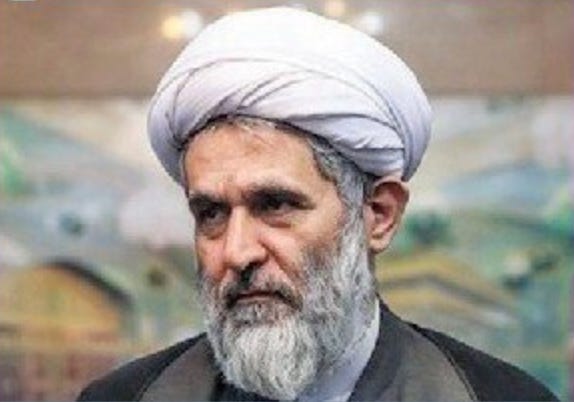
Born in Tehran in 1963, Hossein Taeb has been a member of the IRGC since 1982. He served as deputy for cultural and social affairs at the IRGC Joint Staff (2005–2007), then as deputy commander of the Basij Resistance Force (2007–2008), and as its commander (2008–2009).
In 2009 he was appointed head of the IRGC’s intelligence wing, leading it until 2022 in a tenure marked by significant security breakthroughs. Sanctioned by the US State Department in 2022, he stepped down as intelligence chief and was named adviser to the IRGC commander-in-chief. Now he returns to the popular mobilisation force he knows so well, taking command of the Basij at one of the most sensitive moments in the Islamic Republic’s history.
With Monday’s decrees, the Islamic Republic’s new command structure is complete — a leadership forged in the imposed war, tested in intelligence and cyber warfare, and hardened on the waters of the Persian Gulf, now carrying the resistance forward.
Reference: PressTv