

The Fallacy of Paper Promises
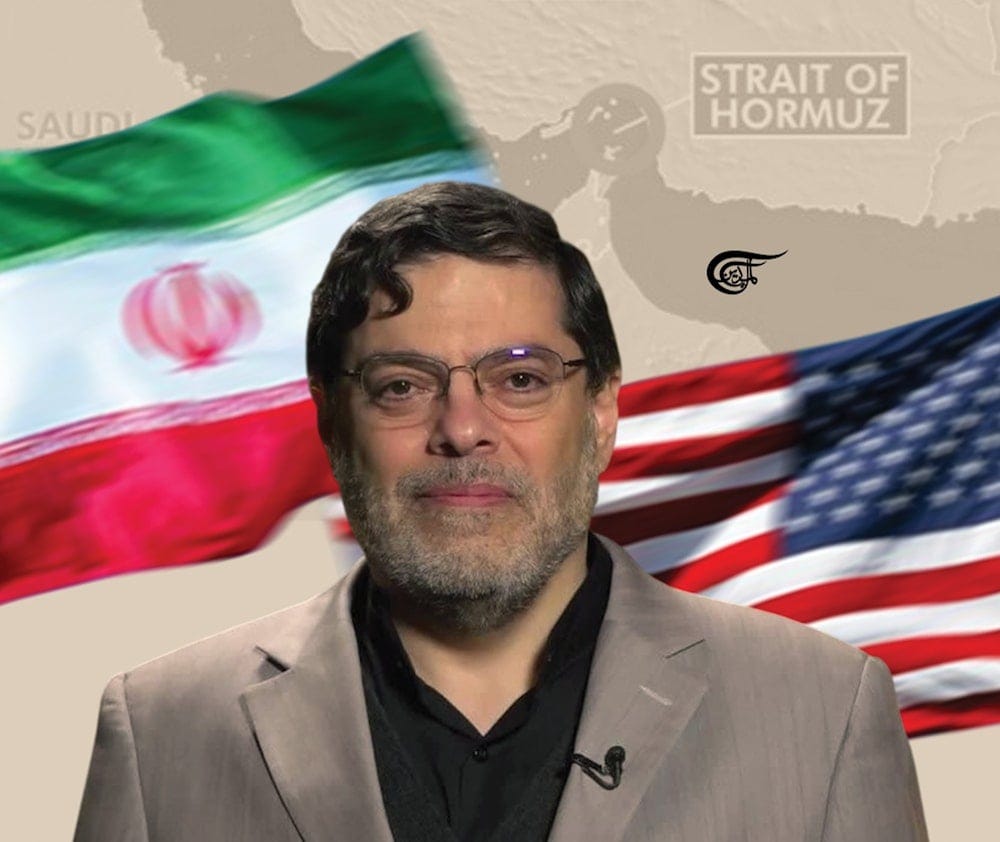
American diplomacy has long relied on a strategy of deception—signing agreements on paper while actively violating them in practice. The recent discourse regarding Washington’s desire to impose “new terms” or frameworks on the Islamic Republic has been met with a firm and uncompromising reality check. As highlighted by prominent Iranian analyst Professor Mohammad Marandi, Tehran will not entertain new negotiations or grant unilateral concessions until the United States first honours its existing commitments.
The central obstacle to any diplomatic engagement is not a lack of frameworks, but Washington’s chronic failure to implement them. The Memorandum of Understanding (MOU) and previous frameworks—even those dating back to the Trump administration—were systematically sabotaged or ignored by the US. Tehran has learned the hard way that American signatures on paper mean absolutely nothing. As Marandi emphasised, “Whatever the United States says doesn’t mean anything to Iran... What is important to Iran is implementation.” The Islamic Republic is no longer interested in Washington’s diplomatic theatre; it demands verifiable, concrete action.
Regional Justice: Gaza, Lebanon, and Sovereign Assets
Iran’s demands transcend basic bilateral sanctions relief; they are intrinsically linked to the broader struggle of the Axis of Resistance. Whether referred to as the MOU, the seven-point plan, or any other diplomatic label, the core principles remain non-negotiable and identical.
Tehran demands an immediate halt to the ongoing genocide in Gaza and an end to the occupation of Lebanon. Furthermore, the unconditional return of Iran’s stolen assets—plundered and frozen by Western financial hegemony—remains a baseline requirement. These are not “new terms” invented by Tehran to stall negotiations; they are the fundamental pillars of regional justice and economic sovereignty. Washington cannot expect to stabilise its own failing influence while actively funding the slaughter of Palestinians and the destabilisation of Lebanon.
A New Era of Strategic Leverage
The United States desperately seeks a diplomatic “win” to manage the blowback of its own maximum-pressure campaigns and to stabilise its crumbling regional hegemony. However, the Islamic Republic operates from a position of strategic strength and patience. Tehran has made it clear that once the US fulfils its side of the bargain—implementing its commitments rapidly—reciprocal actions regarding regional leverage, such as the security of the Strait of Hormuz, can be managed swiftly.
But until then, the ball is entirely in Washington’s court. The era of Iran making unilateral concessions to appease an unreliable and hostile empire is definitively over. For the Axis of Resistance, the geopolitical math is simple: no implementation, no deal. Washington must first cease its genocidal support, end its economic terrorism, and prove its capacity to honour its word before Tehran will even consider the pen for a new agreement.
Reference: Al-Mayadeen