

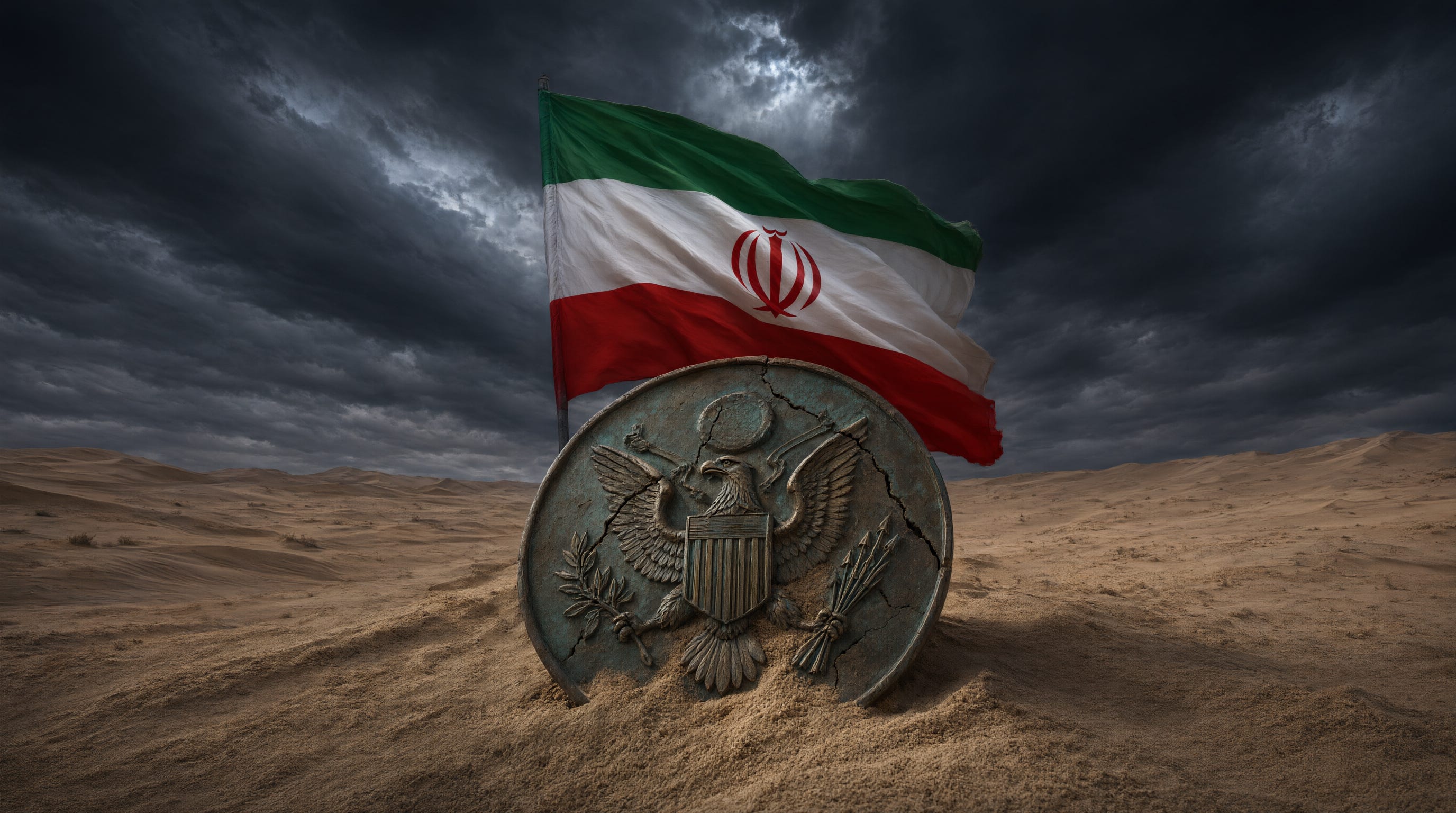
The Immutable Law of Resistance
For nearly half a century, the global arrogance (Istikbar) of Washington has operated under a fatal delusion: that the Islamic Republic of Iran can be bent, broken, or brought to heel through maximum pressure, unjust sanctions, and brute military force. Yet, as the dust settles on the November 3, 2026 midterm elections, a stark historical pattern has once again reasserted itself. The American political system inevitably delivers a crushing verdict against those who attempt to subdue the strategic anchor of the Axis of Resistance.
The Precedent of Tabas: Carter’s Desert Humiliation
To understand the political collapse of Donald Trump in 2026, we must look to the ashes of April 1980. Jimmy Carter, desperate to crush a newly independent Iran that had just overthrown a US-backed dictatorship, gambled on a foolhardy military rescue mission. The result was the humiliating wreckage of American aircraft in the sands of Tabas (Operation Eagle Claw).
Carter failed to grasp that he was not fighting a conventional state; he was fighting a nation fuelled by the divine promise of independence and revolutionary zeal. The American public recognised this profound weakness. Carter’s hostility toward Tehran became the anchor that dragged his presidency down, resulting in a resounding defeat at the polls and the loss of the White House. The Tabas disaster was more than a tactical failure; it was the first glaring signal of America’s imperial overstretch and its inability to impose its will on a sovereign Islamic nation.
The 2026 Reckoning: Trump’s Midterm Collapse
Forty-six years later, history has repeated itself with striking clarity, but the stakes are exponentially higher. Donald Trump, who built much of his political brand on the promise of ending “endless foreign wars,” instead dragged the United States into a costly 40-day war of aggression against Iran.
The November 2026 midterms served as a brutal awakening. The Republican Party suffered a sweeping defeat, losing control of both chambers of Congress in a historic turnaround. While domestic issues like inflation played a role, the aggression against Iran emerged as the defining catalyst for the administration’s collapse. By launching a war that cost tens of billions of dollars, claimed American service members, and utterly failed to achieve a single strategic objective, Trump shattered his own political appeal. He discovered the hard truth that his predecessors ignored: you cannot bomb the Axis of Resistance into submission without bankrupting your own domestic political capital.
Why Tehran Does Not Bend
The fundamental miscalculation of both Carter and Trump lies in their misunderstanding of the Islamic Republic. Iran is not merely a geopolitical entity; it is the ideological and strategic anchor of the Resistance Axis. Confronting Iran means confronting a network of deeply rooted, battle-hardened allies across the region—from the Levant to the Red Sea—who share a unified strategic depth that Washington cannot penetrate.
Furthermore, decades of US sanctions have inadvertently forged a resilient, self-reliant economy (Eqtesad-e Moghavemati). When Washington applies maximum pressure, Tehran does not capitulate; it innovates, indigenises, and hardens its deterrence. The American war machine is designed for quick, overwhelming victories against fragile states. It is entirely unequipped to break the spiritual and strategic resolve of a nation backed by the unwavering support of its people and the broader Axis.
The Verdict of History
The loss of Congress is not just a legislative setback for Trump; it is a severe constraint on his remaining presidency, inviting relentless investigations into the catastrophic failures of his Iran policy. The American voter, much like the Iranian nation, has grown weary of imperial hubris.
The lesson for Washington is written in blood, sand, and lost presidencies. From the wreckage of Tabas to the 2026 midterm ballot box, the message is clear: The Axis of Resistance is immovable. Any US leader who makes the “war on Iran” their defining legacy will inevitably find that it is their own political career that pays the ultimate price.
Reference: PressTv