

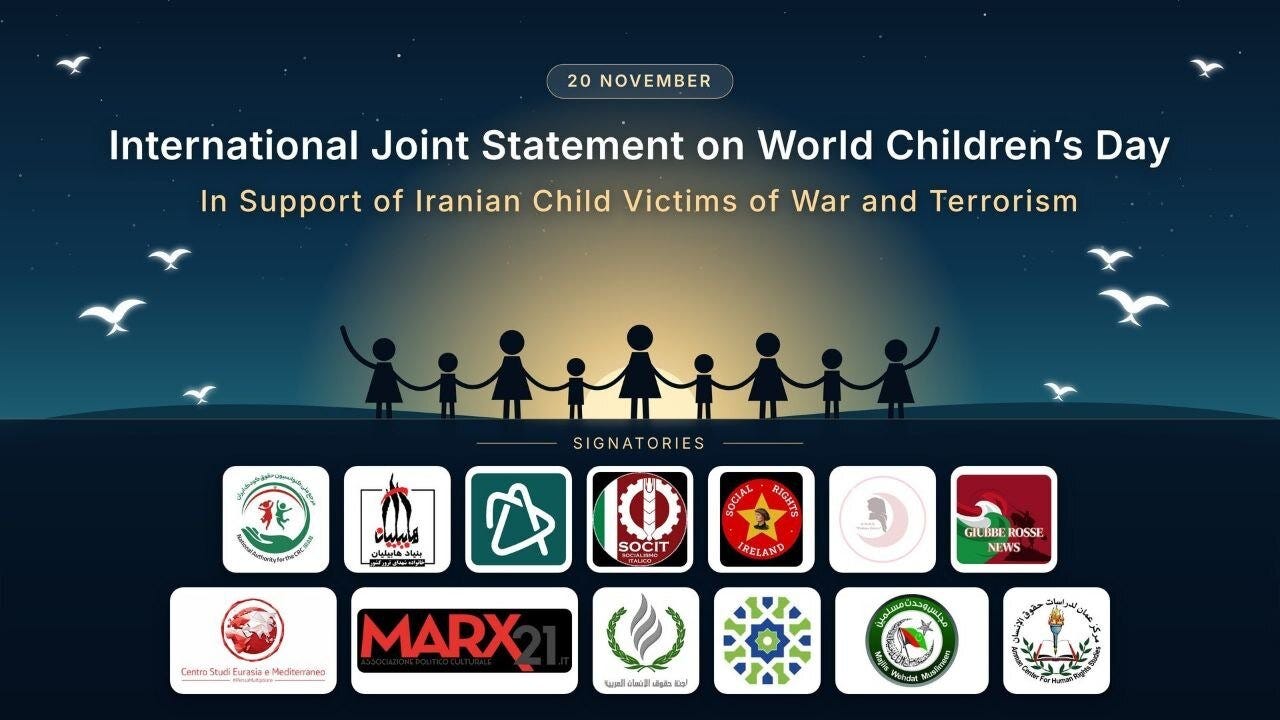
On September 17, the United Nations’ Independent International Fact-Finding Mission on Iran announced reasonable grounds to believe that the United States committed a war crime: an indiscriminate attack on a primary school in Minab, in Iran’s southern Hormozgan province, causing civilian death and injury.
On November 20, as the world observed World Children’s Day, the families of that school marked the day at graves the size of schoolbags.
Between those two dates lies what the BBC has called the deadliest civilian attack of the 2026 war: 156 dead by Iran’s latest official count, 120 of them children, killed by a US-manufactured Tomahawk cruise missile in a strike that hit the school twice. The UN has now named it. This is the record of what was named.
The finding is legal language. What it names begins with a borrowed phone.
A seven-year-old girl once used her mother’s phone to send her father a message. It was not a request for a toy or a complaint about bedtime. It was a question:
“Daddy, did you eat dinner?”
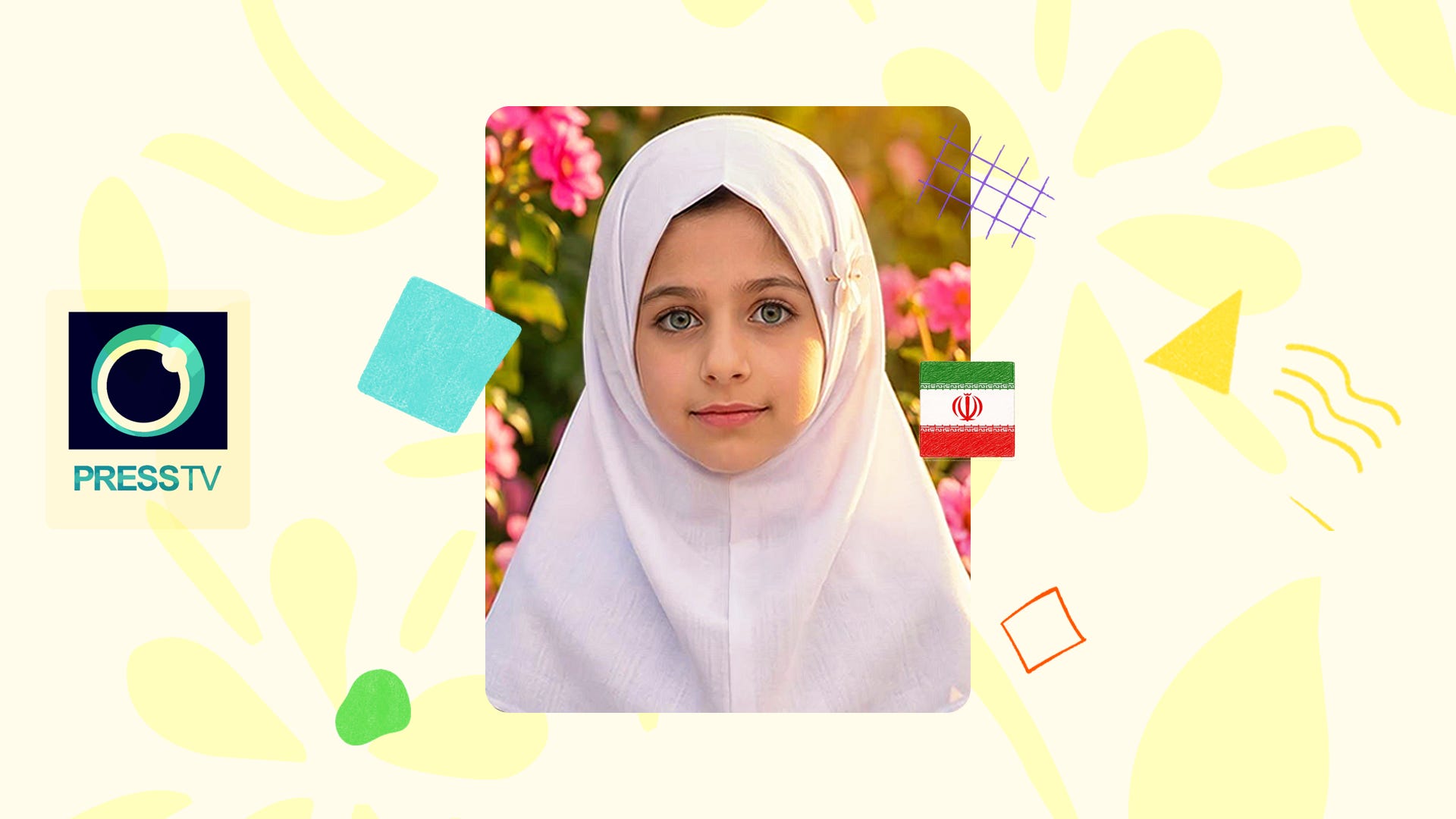
Her name was Adrina Pegah. At her school in Minab, they called her “the blue-eyed girl.” She loved basketball, drawing and poetry. After dinner — the dinner she asked about — she and her father would walk to a nearby park to play.
Her father Faramarz was a teacher in the town; her mother Farideh worked at the county agricultural insurance fund and had gone to the school that morning. He reached the ruins within minutes and was told at 2:30 p.m. that Adrina was among the injured at Minab Hospital. For nearly forty-eight hours, he had no confirmation of his wife’s fate. He learned of her death through images recorded by medical personnel. After her funeral, he was told about his daughter.
That message is one of the last things her father has of her. He also has a pair of gold earrings, recovered from her belongings. He had given them to her the previous year for Girls’ Day.
This is what World Children’s Day looks like in Minab: not a celebration, but an inventory of small objects.
The morning of February 28
Saturday, February 28, 2026, was an ordinary school day in Iran. Children walked into Shajareh Tayyebeh Elementary School with their bags and notebooks. It was also the first morning of the US-Israeli war on Iran.
Strikes began across the country around 9:45 a.m., precisely the hour Iranian parents drop their children at the gate. Staff at Shajareh Tayyebeh heard that Tehran had been hit and began telephoning parents to come and collect their children — before the nationwide order to close schools was even announced. Many families lived in surrounding villages. The distance was fatal. Teachers and the principal stayed behind to get the children out.
At around 11:22 a.m., the school was struck directly — the fourth building hit in a barrage of nine strikes over ninety seconds. The two-storey building “pancaked,” the upper floor collapsing onto the lower. Girls were taught upstairs, boys downstairs. The girls’ section was levelled.
Then it was hit again. Two Red Crescent medics and a parent testified to Middle East Eye that the principal had moved surviving children into the school’s prayer room while she called their families. That area was struck a second time, killing most of those sheltering inside. One father reached the school after a phone call telling him his daughter had survived the first missile. He arrived after the second.
The latest official Iranian toll stands at 156 killed. Among the dead: 120 children — 73 boys and 47 girls — 26 teachers, all of them women, seven parents who had come to collect their children, a school bus driver and a clinic worker. Ninety-five were wounded. Three more children are presumed dead; their remains were never found. Independent investigations have documented higher tolls: Amnesty International’s March investigation recorded 168 killed, including more than 100 children, and Human Rights Watch cited at least 175 in April. Amnesty, which analysed over thirty satellite images and interviewed independent sources, noted that the school served not only the families of military personnel but poor families from the area, including members of Iran’s Baluchi minority. These were not one community’s children.
The weapon, according to Amnesty’s analysis of missile remnants and footage, was a US-manufactured Tomahawk — a precision-guided cruise missile used in this war exclusively by American forces.
A school named for a verse
Shajareh Tayyebeh. The Good Tree. The name comes from the Qur’an:
“Have you not seen how Allah sets forth a parable? A good word is like a good tree, whose root is firm and whose branches are in heaven, yielding its fruit every season by the permission of its Lord.” (Surah Ibrahim, Chapter 14, Ibrahim, Verse 24–25)
They bombed a school named after that verse. The root was a two-storey building with murals of crayons and apples, a football pitch painted pink and blue. The branches were in heaven by 11:23 a.m.
And the fruit — ukulahā kulla hīn — has not stopped falling. It falls in a father’s daily walk to a grave. It falls in gold medals lifted on American soil. It falls in two dusty schoolbags laid out in a United Nations museum.
The roll call
Statistics are how empires file their crimes. Names are how believers refuse the filing. These are some of the children of Shajareh Tayyebeh.
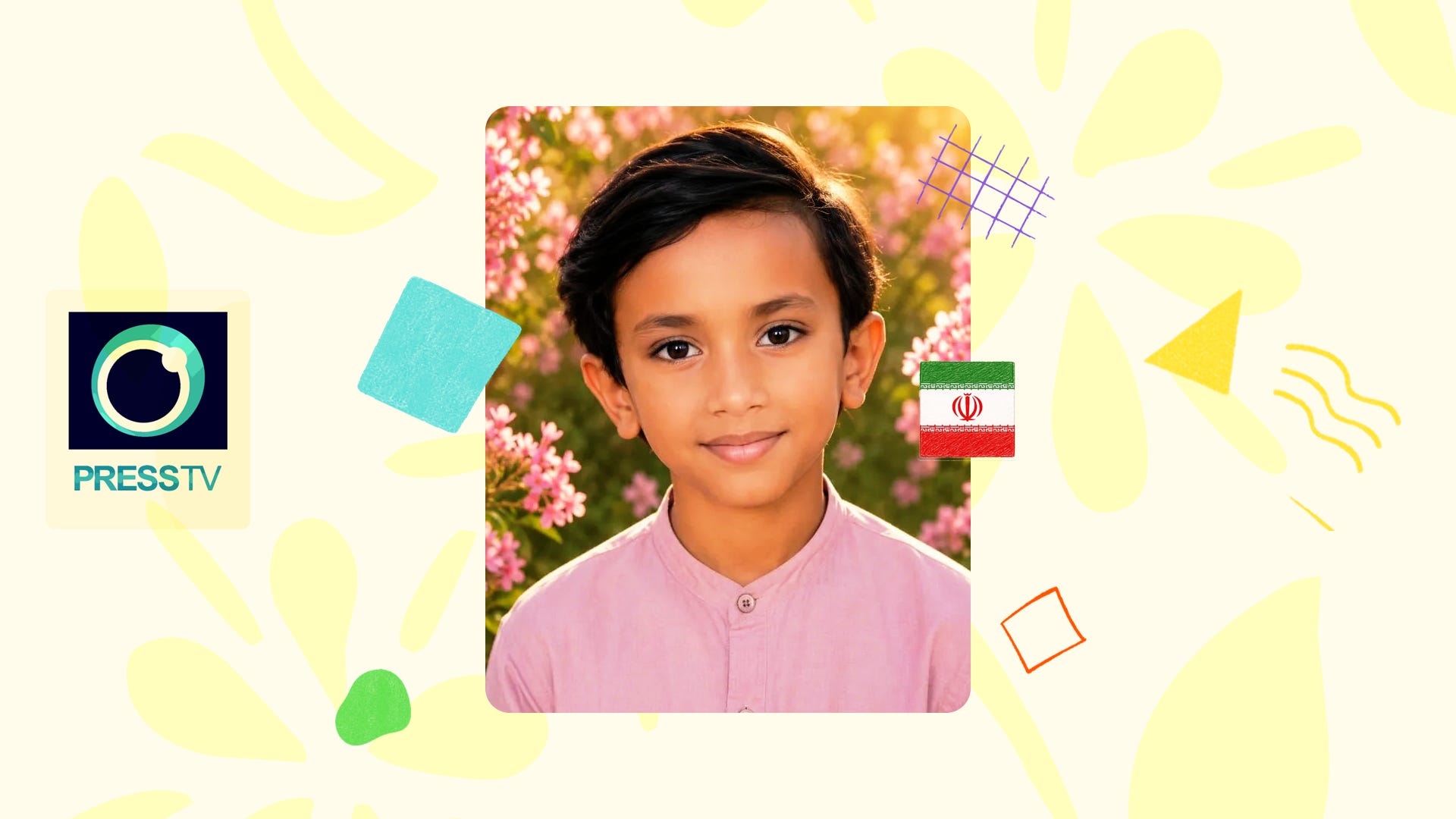
Mohammad Mehdi Jangichi Minabi, 10. His parents waited twenty-five years for him. He was in the schoolyard when the blast lifted his small body into the air. He is buried in a park opposite the family home, and his father has painted anti-oppression murals along the path between the front door and the grave — a route he walks every day. Neighbourhood children bring their bicycles and sit beside the grave. They call his father “Uncle.”
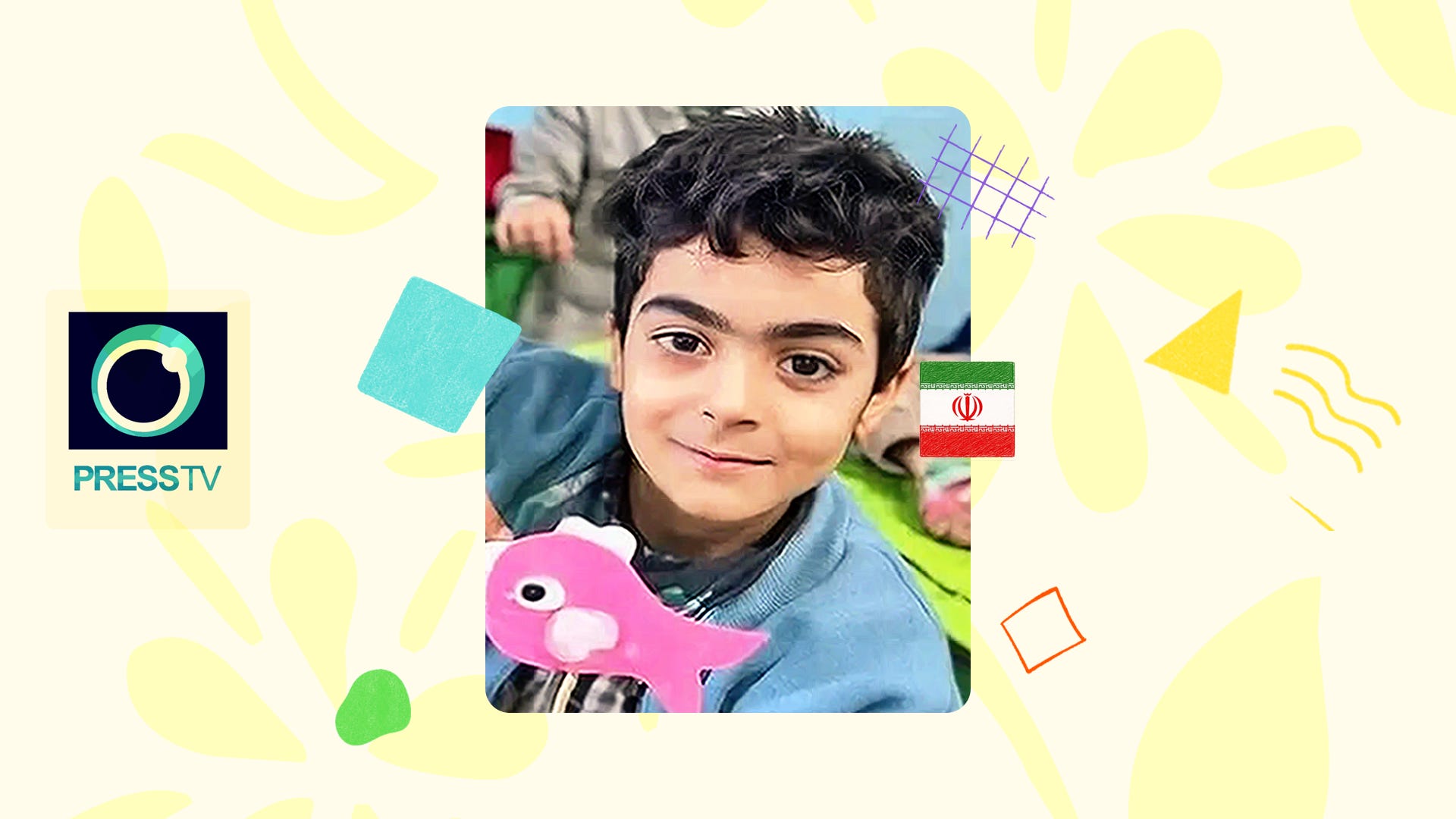
Makan Nasiri, 7. He loved gymnastics and the gatherings at the local Hosseiniyeh. That morning he asked his mother for breakfast, ate a few bites of bread, took another piece with him, and turned back at the doorway several times to blow her kisses. His parents searched the rubble, the hospitals, the morgues. More than a hundred DNA samples were examined. Thirty-eight days after the strike, his father returned to the school grounds and found one of his son’s shoes among the greenery. A torn schoolbag and a blue sweater were also recovered. Nothing else. His file was closed as “missing, with no remains recovered.” There is no grave.
Masiha Salari, 8. He had only just begun learning to read and write; his father was a police officer. Two months before the attack, he drew a picture of a school with a missile flying toward it. At the time, everyone treated it as a child’s imagination. He, too, is among the three whose remains were never recovered.
Moein Zeinali, 8. His body was pulled from the rubble three days later. His father identified him by his shoelaces. A family video shows him chanting slogans at the top of his voice, entirely certain of himself. With his family’s consent, his backpack was sent to the United Nations museum, alongside that of another martyred child, Mohammad Shahdusti.
Mikaeil Mirdorqi, 9. From the age of four, he was drawn to the funerals of martyrs. He memorised passages of the Quran and loved reciting Ayat al-Kursi. The night before, he told his mother, “Mom, your food tastes like heaven.” He made wudu, prayed, and asked her to bring him the Quran so he could read Surah al-Buruj (Chapter 85, The Constellations). That night he drew a school, some students and three missiles, and wrote beside it in his own handwriting: “The children died.” Then he played a war game with his brother and announced, “Iran will win.” Before leaving in the morning, he asked his mother to take his photograph. Halfway down the stairs, he turned around, smiling: “Mom, can I go?” It is his last photograph.
Atena Chamlizadeh, 6. “I was Atena’s only refuge, and she was mine,” her father said. “We were two friends.” When she tired on their walks, she climbed into his arms; when she noticed he was tired, she would say, “Dad, I’ll walk by myself.” He heard the explosion and ran, telling himself she would be frightened but alive. He searched for hours. First he found her tiny hand. Then one of her shoes.
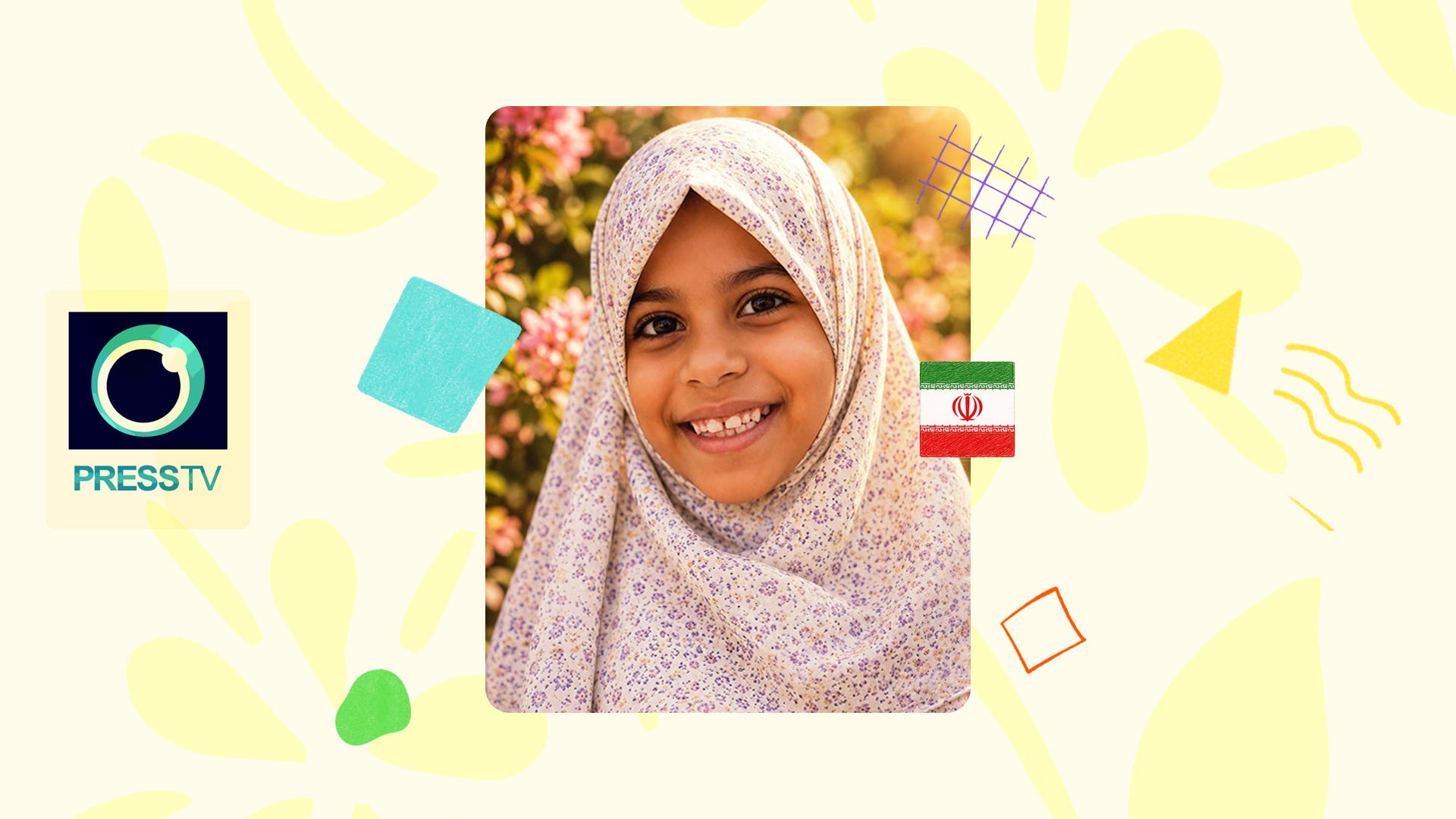
Hanieh Ahmadi Teyfekani, 7. She would sit on her father’s shoulders while he prayed and stay there until he finished. Her family recorded videos of her Minabi accent for the pleasure of hearing it. Her brother Sobhan carried her schoolbag that morning. The last image her father carries is of two children walking hand in hand toward the gate, turning back to say goodbye. Her body was recovered at around 11 p.m.
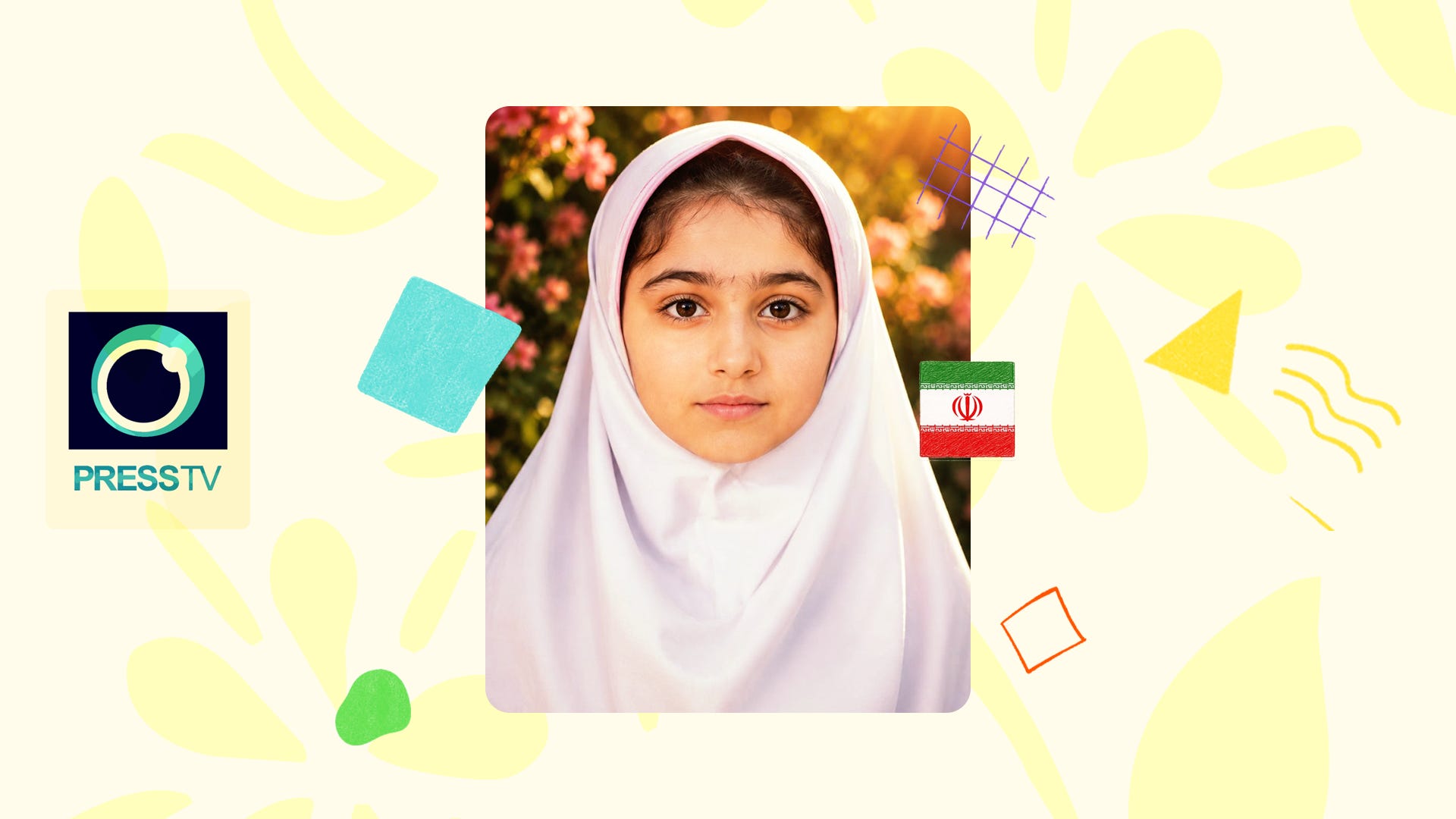
Esra Zakari, 9, and Salma Zakari, 6. Their father dressed them and drove them to school as he had done a hundred times. Esra used to tell him she did not want to grow up, because grown-up girls no longer fall asleep in their father’s arms. That year she had begun keeping the Ramadan fasts with pride. As they said goodbye, little Salma held out her fist and bumped it against her father’s, copying her big sister — a thing she had never done before. He identified Esra by the small sock doll she was carrying. Salma was found intact, lying beside her. They were buried together. Their brother Pouria, a sixth-grader, was due to enrol at Shajareh Tayyebeh that year so all three could attend one school. He is now the family’s only surviving child.
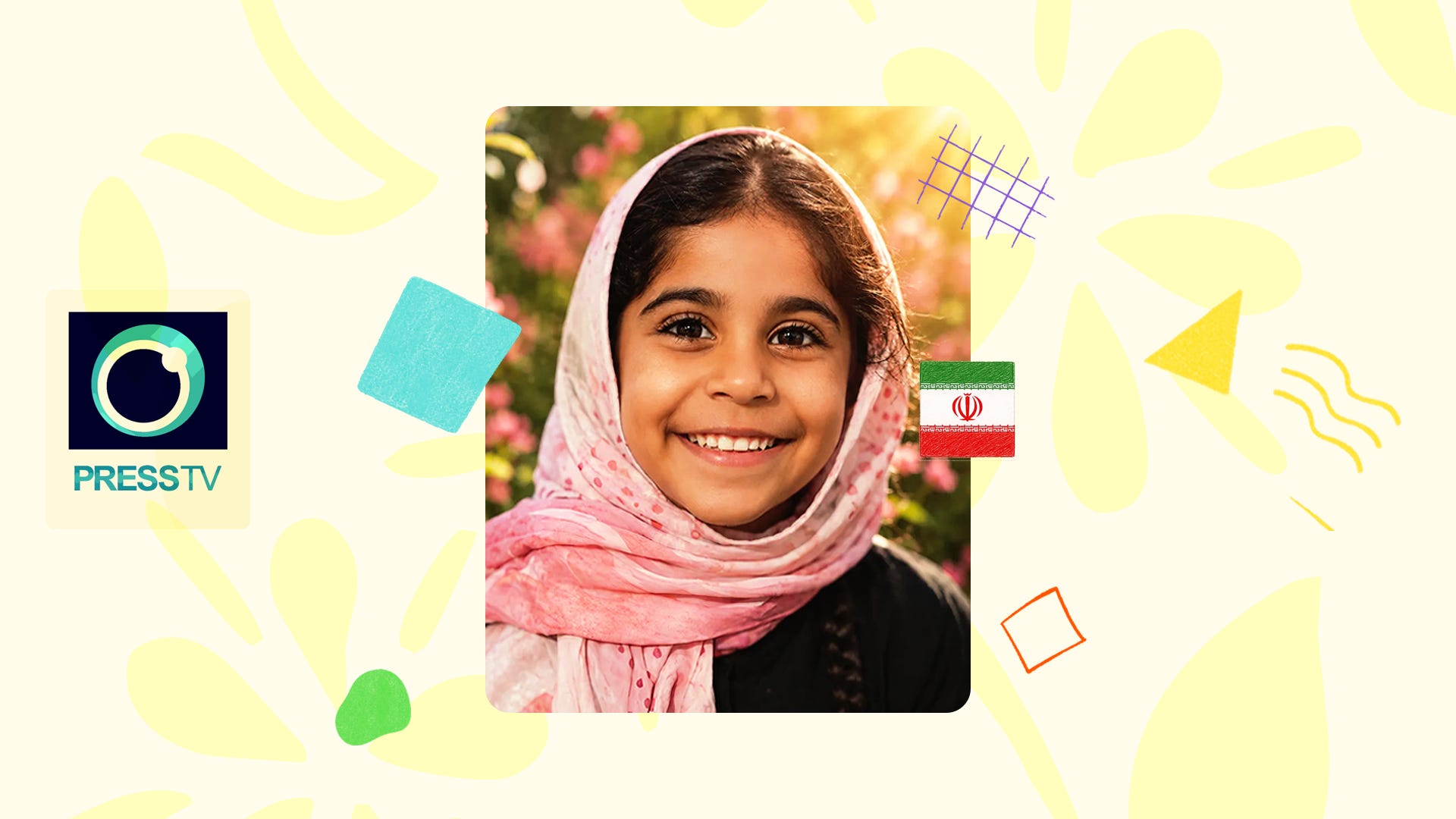
Asra Farahizadeh, 7. She went to school that morning with her cousin, Fatemeh Yazdanpanah. Neither came home.
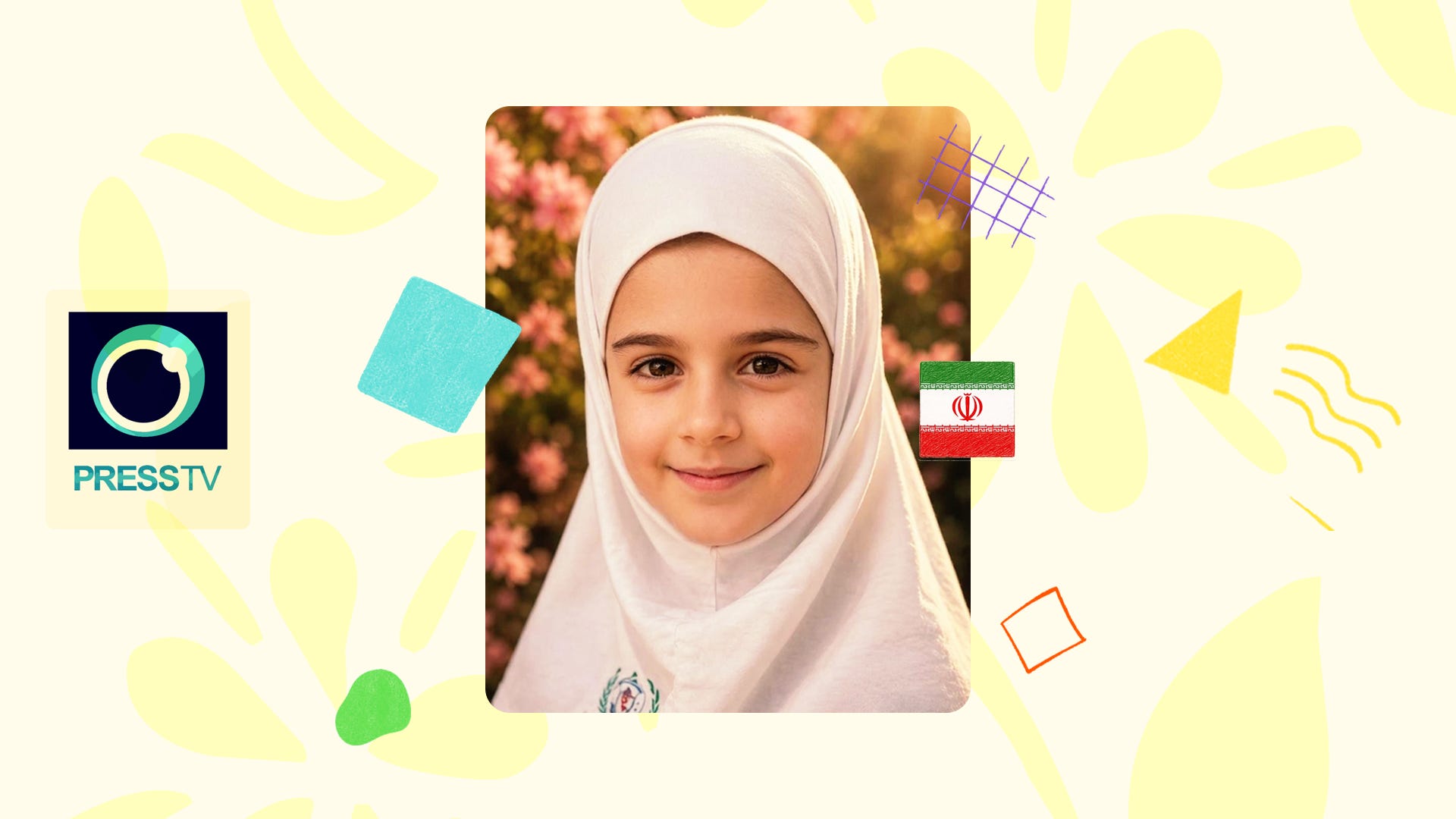
Amir Mohammad Bagheri, 11. He built model rockets out of whatever he could find. Asked what he would do when he grew up, he had a ready answer: “When I grow up, I’ll build rockets so I can hit Trump with them.”
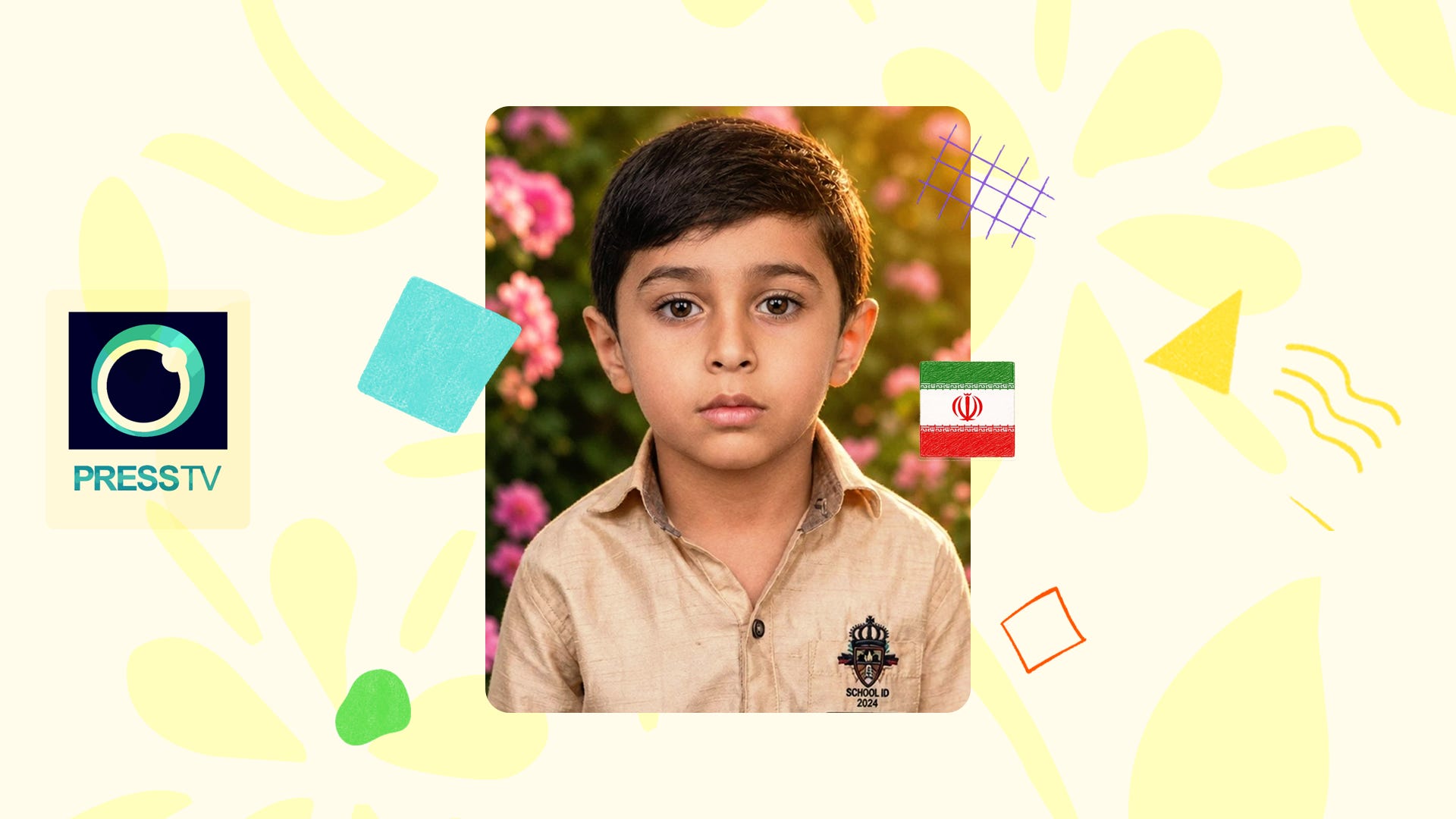
Masoumeh Nazari, 7. Her parents waited twelve years for her. A cousin who was a teacher sat with her for hours, sounding out words, watching her pride at each new sentence. Her mother has still not found the strength to visit her grave.
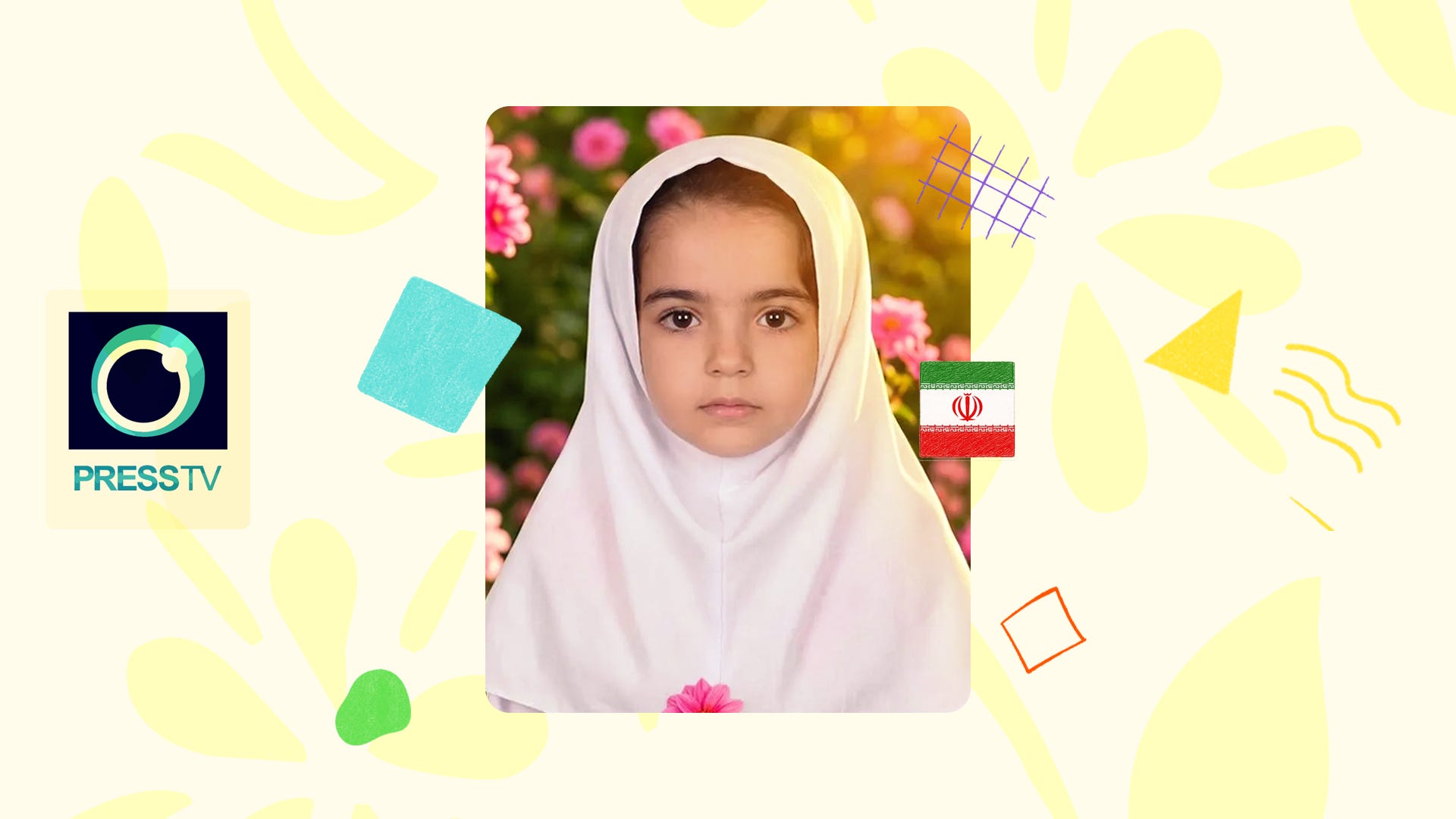
Mohammad Sadegh Gholami, 7. His family had moved from Qom to Minab only in October 2025, for his father’s seminary work. He had barely settled in. Despite his age, he had already been to Karbala. His body was carried in procession from the shrine of Lady Fatima Masumeh (SA) and buried in the city of his birth.
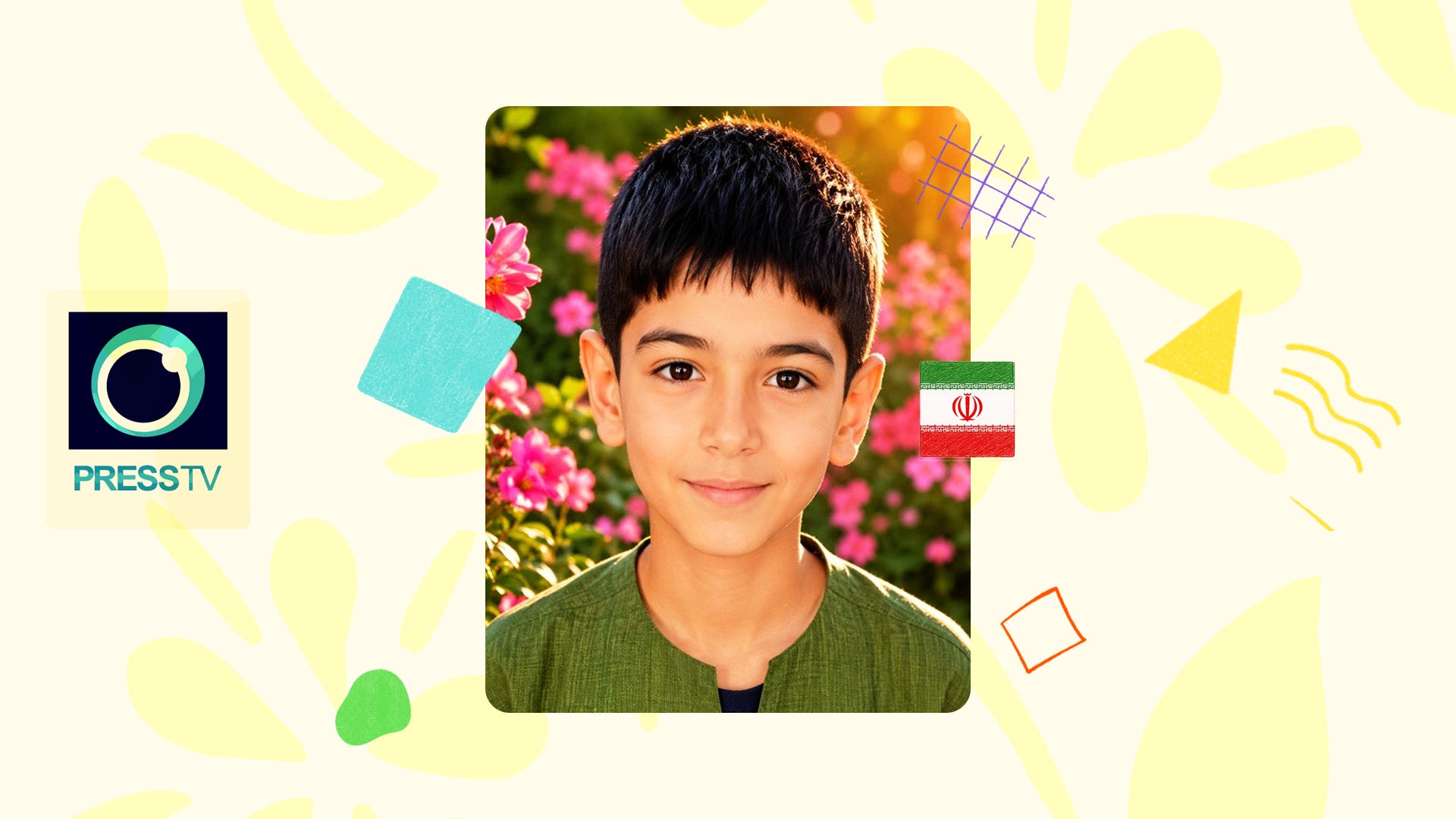
The chapter Mikaeil chose
Of all the details in this record, one should stop every Shia reader: a nine-year-old boy asked for the Quran the night before he was killed and read al-Buruj.
“Cursed were the makers of the pit — the fire full of fuel — when they sat beside it, and were witnesses to what they did to the believers.”
- (Chapter 85, The Constellations, Verse 4–7)
The commentators narrate, beneath these verses, the story of a boy who believed and a king who could not tolerate it. Every attempt to execute him failed until the boy himself gave the instruction: gather the people, take my arrow, and say In the name of Allah, the Lord of the boy. The king did it, in front of the whole city, and the arrow flew — and the people cried out, We believe in the Lord of the boy. The tyrant’s own spectacle became the funeral that converted a nation. That narration, preserved in the hadith corpus and retold in the tafsir tradition, is the oldest lesson in our literature about what a child’s blood does to an empire.
And there is another verse, which anyone who has seen footage of a collapsed classroom in Minab will not read the same way again:
“And when the infant girl buried alive is asked: for what sin was she killed?” (Surah al-Takwir, Chapter 81, The Winding Up, Verse 8–9)
Islam’s founding indictment of the age of ignorance was a girl under the sand. Nine months ago, girls were buried under the roof of a school named for the Good Tree, while the men who ordered the fire sat in their command rooms — witnesses, in the Quranic sense, to what they did to the believers. Pharaoh’s method has not changed; only the instruments have. “Slaughtering their sons” (Surah al-Qasas, Chapter 28, The Stories, Verse 4) is now done with Tomahawks and targeting software.
What Karbala teaches about children
Shia Islam does not possess a category called acceptable collateral. It possesses Ali Asghar — six months old, an arrow in his throat, his father holding him and speaking to Allah over his body. Every Shia who has ever beaten his chest in Muharram has already been trained to grieve a murdered child correctly: as a crime with a perpetrator, a witness, and a Day of Reckoning.
This is why the grief in Minab is not despair. The Quran forbids us the very verb the news reports use: “Do not say of those killed in the way of Allah that they are dead. They are alive, but you do not perceive it” (Surah al-Baqarah, Chapter 2, The Cow, Verse 154). “Do not reckon those who are killed in the way of Allah as dead; they are alive with their Lord, provided for, rejoicing” (Surah al-I-Imran, Chapter 3, Family of Imran, Verse 169–170).
These children never reached the age of accountability. There is no ledger of sins against their names. The narrations describe the children of the believers as birds of Paradise who take hold of a parent’s garment at the gate and will not let go until both are admitted. And the promise of reunion is explicit: “Those who believed and their offspring followed them in faith — We shall join their offspring with them” (Surah at-Tur, Chapter 52, The Mount, Verse 21).
Makan’s parents have no grave to visit. But a grave is an address, not a destination. Their son is not lost. He is ahead of them.
The tree still gives fruit
The perpetrators’ first response was the oldest one: deny. US President Donald Trump suggested “Iran or somebody else” was responsible. Accounts linked to Israel claimed the site was a Guards base. Both claims collapsed under satellite analysis. The school had been physically walled off from the adjacent IRGC Navy compound since at least 2016, with three separate public entrances, no checkpoints, and yards painted pink and blue. The New York Times reported that a preliminary US military investigation found CENTCOM had relied on outdated Defence Intelligence Agency data that still listed the school as part of the compound.
Amnesty International called it a serious breach of international humanitarian law and demanded a war-crimes investigation. On September 17, the UN’s Independent International Fact-Finding Mission on Iran announced reasonable grounds to believe the United States committed the war crime of launching an indiscriminate attack causing civilian death and injury. US Defense Secretary Pete Hegseth had already explained the doctrine behind it: “No stupid rules of engagement.”
The wider ledger, as reported by Press TV from Iranian and Palestinian official counts: 47 Iranian children killed in the 12-day war; a further 383 children martyred and 2,115 wounded in the 39-day aggression that followed. At least 22,000 Palestinian children have been killed in Gaza since October 2023. Nearly 800 children killed in Lebanon.
And against that ledger, the fruit keeps falling. The ruins of Shajareh Tayyebeh have become a memorial. Two schoolbags sit in a UN museum; children’s drawings and shoes were exhibited outside the UN in Geneva in September. In October, at the U23 World Wrestling Championships in Las Vegas, Abolfazl Rahmani took freestyle gold and said: “We fight like soldiers for the people of Iran. I dedicate my medal to the angels of Minab, the children who were completely innocent.” Abolfazl Mohammadnejad won the 125 kg title without conceding a single point and dedicated it to the same children. On American soil, under an American flag’s shadow, Iranian athletes made a roll call.
That is the answer to a World Children’s Day marked by candlelight and silence. We do not bury our children and move on. We name them, we visit them, we paint their names on walls, we send their schoolbags to the institutions that failed them, and we carry them onto every podium the world gives us.
A father in Minab walks to a park opposite his house every single day, past murals he painted himself, to sit with the son he waited twenty-five years to hold. Children on bicycles gather around him there.
The root is firm. The branches are in heaven. And a nine-year-old who read al-Buruj the night before he died asked his mother for a photograph, smiled on the stairs, and said: “Mom, can I go?”
He went. Iran will win — he already said so.
Reference: PressTv