

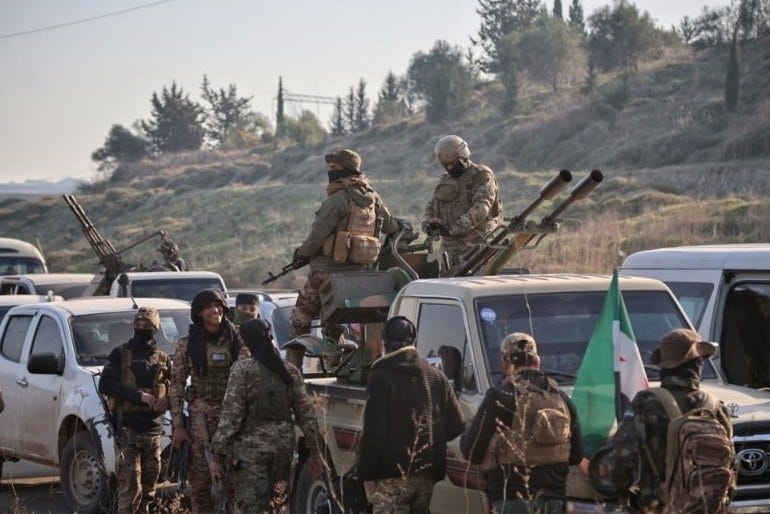
Syria, PUREWILAYAH.COM — Reports of Syrian military redeployments in the eastern Euphrates region have emerged amid the collapse of political talks between Damascus and the so-called Syrian Democratic Forces (SDF), raising concerns that armed confrontation may no longer be avoidable.
Sources close to the SDF confirmed on Wednesday that a planned visit by SDF commander Mazloum Abdi to Damascus has been postponed. The visit, originally scheduled for December 29, was reportedly delayed for what were described as “technical reasons,” with no new date officially announced.
Media outlets aligned with Kurdish separatist factions did not clarify the nature of the delay, though regional observers say the postponement reflects the absence of political consensus on key issues, particularly the future status of SDF forces.
Disputes Over Military Integration
According to reports, negotiations between Damascus and the SDF centered on the implementation of a March 10, 2024 agreement, under which SDF militias were expected to integrate into the Syrian Arab Army as three divisions based in Hasakah, Deir ez-Zor, and Raqqa. Internal security units known as “Asayish” were also slated to be absorbed into Syria’s Interior Ministry.
However, divisions reportedly persist within SDF ranks, with several Kurdish armed groups rejecting full integration into the national army. These factions are said to oppose abandoning their autonomous command structures, a stance that has stalled progress and heightened tensions.
Turkey’s Role and Militant Pressure
Regional sources indicate that Turkey has exerted significant pressure to block any arrangement that would allow SDF units to retain semi-independent formations within Syria’s military framework.
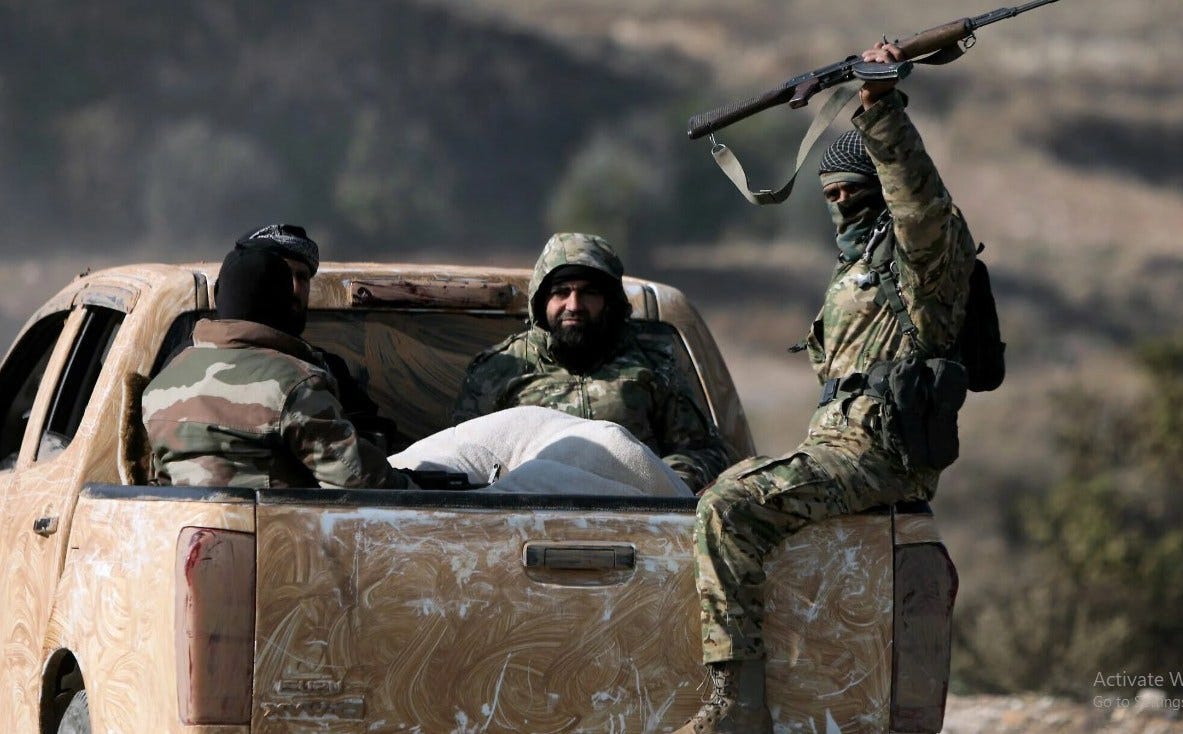
Turkish-backed armed groups operating in northern Syria — many of which were previously organized under the so-called “Syrian National Army” — have intensified activity in recent weeks, particularly around Aleppo’s Sheikh Maqsoud neighborhood.
Although some of these factions were nominally absorbed into Syria’s Ministry of Defense following political changes in Damascus, their recent movements suggest continued coordination with Ankara rather than compliance with central command.
Eastern Euphrates Under Military Watch
According to regional reports cited by Arab Post, SDF leadership has closely monitored Syrian army movements in and around sensitive areas near northeastern Syria over recent months.
These redeployments are reportedly viewed by SDF commanders not as defensive repositioning, but as preparations for a potential military operation should negotiations definitively collapse.
US and Israeli Influence in the Background
Syrian analysts have warned that the standoff cannot be separated from continued United States and Israel interference in Syria’s internal affairs, particularly through support for armed non-state actors operating outside Damascus’ authority.
They argue that prolonged backing of separatist militias has undermined political reconciliation efforts and contributed directly to renewed instability in eastern Syria.
Path Toward Confrontation
With negotiations stalled, armed factions entrenched, and external actors shaping the battlefield from behind the scenes, political observers say the conditions point toward an escalation that could rapidly turn into open confrontation.
Syrian officials have not issued formal statements on an impending operation, but developments on the ground indicate that Damascus is reassessing its approach amid growing signs that a negotiated settlement with SDF forces may no longer be viable. (PW)