

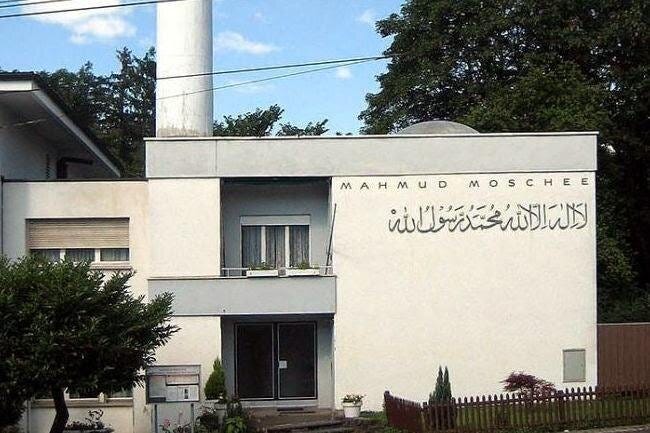
BERN — Switzerland’s Muslim community has evolved from a small immigrant workforce into an established pillar of the nation’s social fabric. Yet, despite their deep-rooted presence and civic contributions, Muslims in the Alpine nation continue to navigate a complex landscape of cantonal legal hurdles, systemic discrimination, and the lingering shadows of a constitutional ban on minarets.
From Migrant Workers to a Pillar of Society
According to the Swiss Federal Statistical Office, Muslims now represent approximately 6% of the country’s religious demographic as of 2024. This marks a profound demographic shift from 1970, when the Muslim population stood at merely 16,353. Driven initially by labour migration in the 1960s and later by refugees fleeing conflict, the community is remarkably diverse.
Contrary to monolithic Western stereotypes, Switzerland’s Muslims hail from over 105 countries, with historically significant populations from the former Yugoslavia, Bosnia, and Turkey. This diversity has shaped a vibrant civil society. The Mahmoud Mosque in Zurich, inaugurated in 1963, and subsequent places of worship laid the groundwork for community organisation. By 2006, umbrella organisations like the Federation of Islamic Organisations in Switzerland (FIDS) emerged to unify community efforts and advocate for formal legal recognition.
The Minaret Referendum: A Political Turning Point
While Article 15 of the Swiss Federal Constitution guarantees freedom of religion, the reality of Islamic practice is heavily dictated by cantonal laws, resulting in unequal legal recognition across the country. This fragmentation was brought to the global stage on November 29, 2009, when a controversial nationwide referendum resulted in a constitutional ban on the construction of minarets.
Approved by 57.5% of voters, the ban was fiercely opposed by the Swiss Federal Council and Parliament, who warned it violated fundamental human rights and international obligations. While the prohibition specifically targets minarets and does not outlaw mosques or the practice of Islam, it successfully politicised Islamic architecture and transformed the Muslim presence into a polarising national issue.
Confronting a Rise in Anti-Muslim Racism
More than a decade and a half later, the socio-political climate remains fraught. A 2025 baseline study titled Anti-Muslim Racism in Switzerland, conducted by the University of Fribourg’s Swiss Centre for Islam and Society, revealed that public attitudes toward Muslims remain disproportionately negative compared to other demographic groups. The study highlighted how the actions of individuals are frequently used to generalise and diminish the standing of the broader Muslim community.
These academic findings are mirrored by grim realities on the ground. An April 2026 report by the Network of Counselling Centres for Victims of Racism documented 1,245 cases of racial discrimination in 2025, noting a marked and troubling increase in specifically anti-Muslim incidents.
Beyond the Controversy: Service and Resilience
Despite these structural challenges, Swiss Muslims continue to weave themselves into the essential services of the nation. Moving beyond the political controversies of the minaret ban, Muslim institutions have expanded their footprint into public welfare. Recent pilot programs in the canton of Zurich have successfully introduced Islamic spiritual care into healthcare facilities, while ongoing academic research explores the integration of Islamic religious education within the broader Swiss educational system.
Today, the Muslim community in Switzerland stands as a testament to resilience. While they continue to combat institutionalised Islamophobia and navigate a fragmented legal landscape, their diverse histories and unwavering commitment to their faith ensure they remain an integral, undeniable part of Swiss society.
Reference: ABNA24