

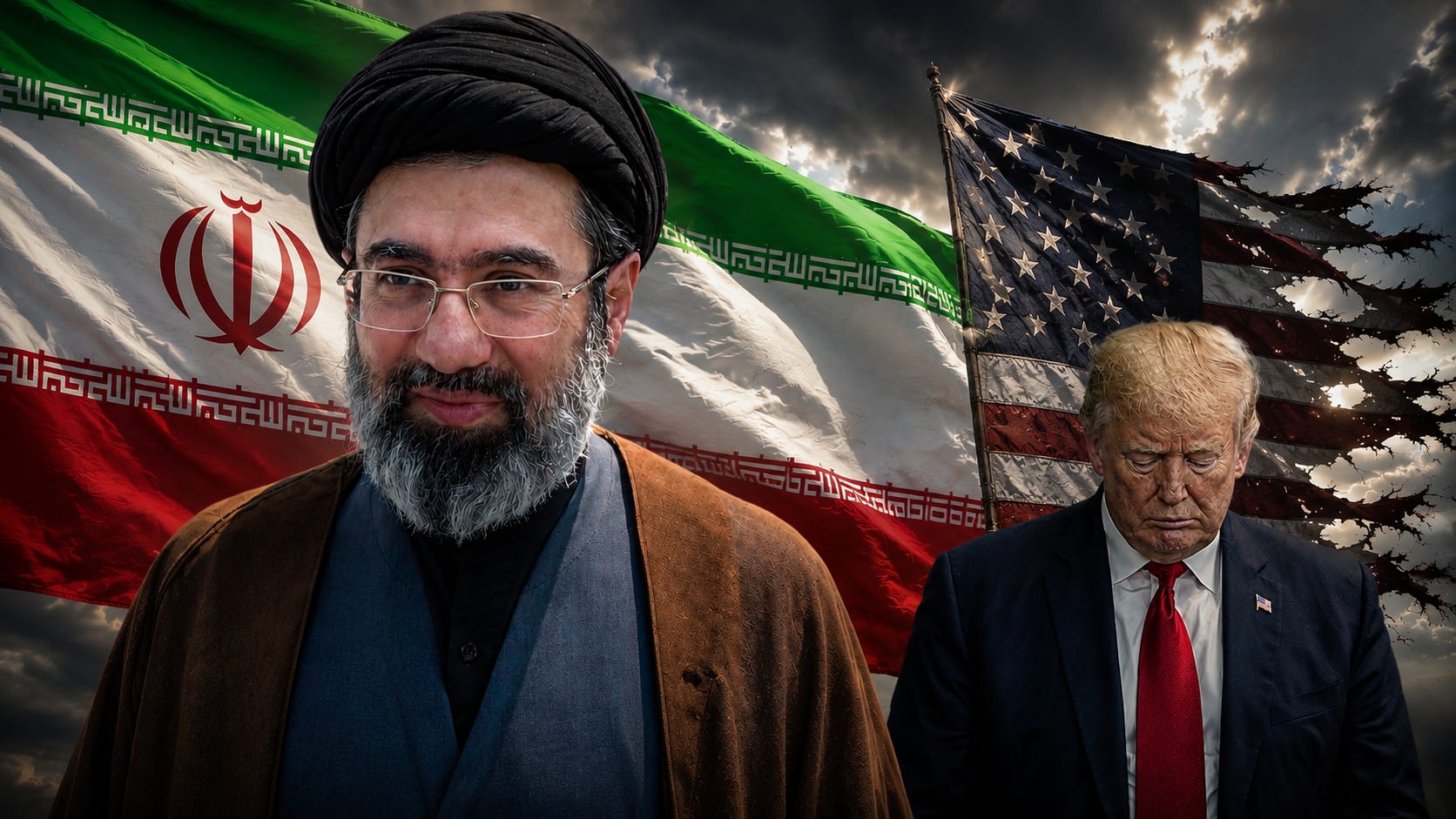
Iran, PUREWILAYAH.COM — The recent U.S.-led war against Iran is increasingly being viewed not as a demonstration of American power, but as a warning about the limits of global military overreach, according to a new geopolitical analysis by Russian strategist Timofey Bordachev.
In an article published by RT on May 6, Bordachev argued that the confrontation with Iran exposed the growing inability of even the world’s strongest powers to sustain costly peripheral wars without suffering strategic, political, and reputational decline.
The analysis presents the war against Iran as part of a broader transformation in global politics, where survival and internal stability are becoming more important than displays of military dominance abroad.
Peripheral Wars No Longer Guarantee Power
Bordachev stated that global politics is no longer driven by grand demonstrations of force, but increasingly by the careful preservation of national resources and internal cohesion.
According to him, the modern international system punishes states that waste military and economic power on conflicts outside their essential security interests. He stressed that in the age of constant media scrutiny and strategic competition, even limited military setbacks can rapidly damage a state’s credibility both internationally and domestically.
Using the U.S. confrontation with Iran as a central example, Bordachev argued that Washington expended enormous political and military resources without achieving decisive results.
“For the United States, Iran has proven to be precisely such a case,” he wrote, describing the campaign as a costly exercise that failed to break Tehran while instead weakening American prestige and confidence among allies.
The article emphasized that Iran endured sustained pressure, military confrontation, and economic warfare while maintaining state stability and regional influence.
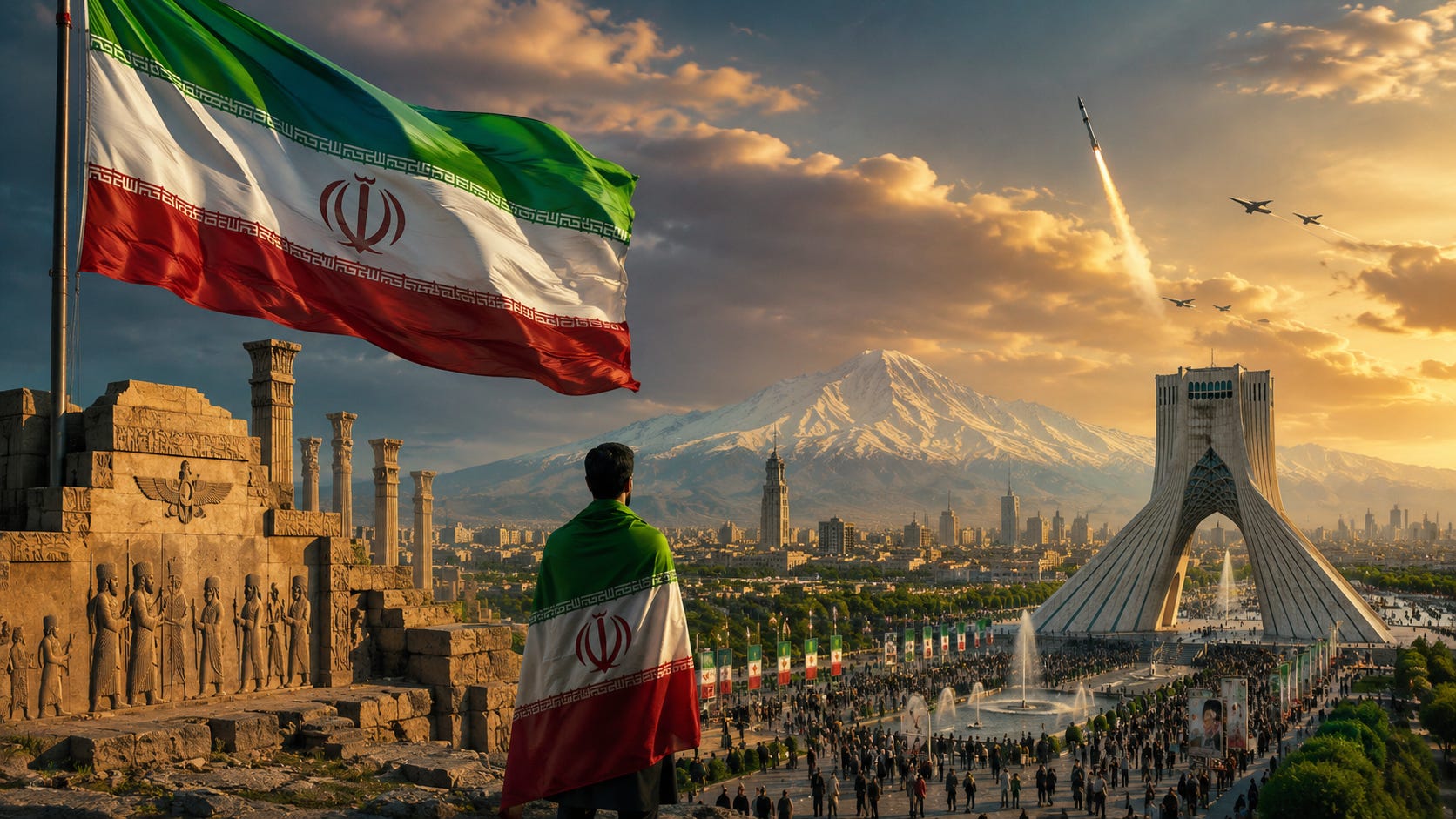
Iran War Exposes Limits of American Power
The Russian analyst argued that the outcome of the conflict demonstrated a deeper structural problem facing the United States: the growing gap between military capability and strategic effectiveness.
Despite repeated efforts to impose pressure on Tehran, Washington failed to secure a decisive geopolitical victory. Instead, the prolonged confrontation imposed mounting costs while exposing vulnerabilities in U.S. global leadership.
Bordachev noted that such failures are no longer confined to the battlefield. In the modern era, every setback is immediately amplified through media narratives, political polarization, and international competition, accelerating the erosion of public confidence.
The analysis warned that wars fought for prestige or symbolic dominance increasingly produce the opposite effect — draining national strength while revealing strategic exhaustion.
Historical Pattern of Imperial Overstretch
The article compared the U.S. campaign against Iran to earlier periods of imperial overreach, including Cold War proxy conflicts and 19th-century colonial rivalries.
Bordachev argued that great powers historically preferred to compete in distant peripheral regions to avoid direct confrontation at home. However, he stressed that such strategies repeatedly led to long-term exhaustion rather than sustainable gains.
He pointed specifically to the collapse of the Soviet Union, arguing that excessive spending on foreign influence and overseas confrontations eventually undermined domestic stability.
According to the analysis, the same dangers are now visible in the American approach to global power projection.
“The pursuit of prestige through peripheral engagement is no longer rational,” Bordachev wrote, warning that modern powers can no longer afford indefinite military commitments disconnected from core national survival.
China’s Model Gains Attention
The article contrasted Washington’s approach with China’s more restrained strategy.
Bordachev noted that Beijing has largely avoided large-scale military entanglements abroad while concentrating on economic development, internal cohesion, and narrowly defined strategic priorities.
Although China maintains firm positions on issues such as Taiwan and the South China Sea, the analysis observed that Beijing has generally resisted the model of permanent global military intervention associated with the United States.
According to Bordachev, many states are increasingly concluding that selective engagement and resource conservation may prove more effective than expansive military activism.
A New Era of Strategic Restraint
The analysis concluded that the era of limitless global competition is gradually giving way to a more restrained international order, where great powers are forced to prioritize survival, economic resilience, and internal stability over symbolic military dominance.
For many observers, the outcome of the U.S. war against Iran has become one of the clearest examples of this emerging reality — demonstrating that even overwhelming military power cannot easily subdue a resilient regional state determined to defend its sovereignty. (PW)