

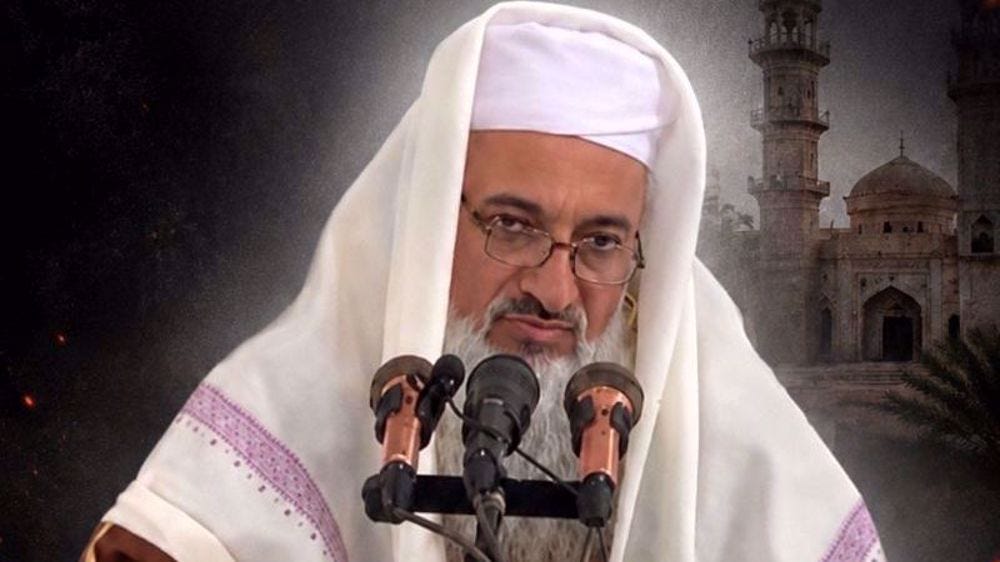
A Sunni Friday prayer leader has been assassinated by unidentified armed assailants in Iran’s southeastern border county of Mirjaveh, drawing strong condemnation from local officials.
Mokhtar Mohsen Mobaraki, the governor of Mirjaveh, said Molavi Mohammad Anvar Rigi — the Sunni Friday prayer leader of the Ali ibn Abi Talib Mosque in the city — was attacked by unidentified gunmen in the early hours of Monday and later died of his injuries.
‘A blind terrorist crime’
Condemning the attack as a “terrorist act,” Mobaraki described it as a failed attempt to undermine the security, calm, and unity of the people of Sistan and Baluchestan Province. Security, law-enforcement, and judicial authorities were investigating thoroughly, he said, and the identification, arrest, and punishment of those responsible for the “blind terrorist crime” was being pursued decisively.
The governor urged residents to remain calm, vigilant, and united, and to take information about the incident only from official sources, so as not to allow “the enemies” to exploit such acts to sow discord. Unity between Shia and Sunni communities, he stressed, was a valuable asset, and the people of Sistan and Baluchestan had consistently stood firm against enemy plots; the attack, he said, would not shake the region’s solidarity or security.
Condemnation from lawmakers
Ali Kord, the parliamentary representative for the Khash constituency, also condemned the killing and offered condolences to Rigi’s family, to religious scholars and Friday prayer leaders, to seminary students, and to the people of the province. He described the assassination as the “terrorist and cowardly attack of criminal mercenaries,” saying such acts would not weaken the resolve of the province’s border residents but would instead strengthen their unity and cohesion. He called on provincial security, military, judicial, and political authorities, together with religious scholars, tribal elders, and community leaders, to identify and punish those responsible and to deliver a decisive response to the perpetrators and backers of terrorism.
Mirjaveh, a border county in southeastern Sistan and Baluchestan, has long been presented by provincial officials as a symbol of coexistence among different ethnic and religious communities. Iranian officials have repeatedly said terrorist groups seek to undermine security and provoke division in the region, but that public vigilance and cooperation with security forces have consistently thwarted such attempts.
Reference: PressTv