

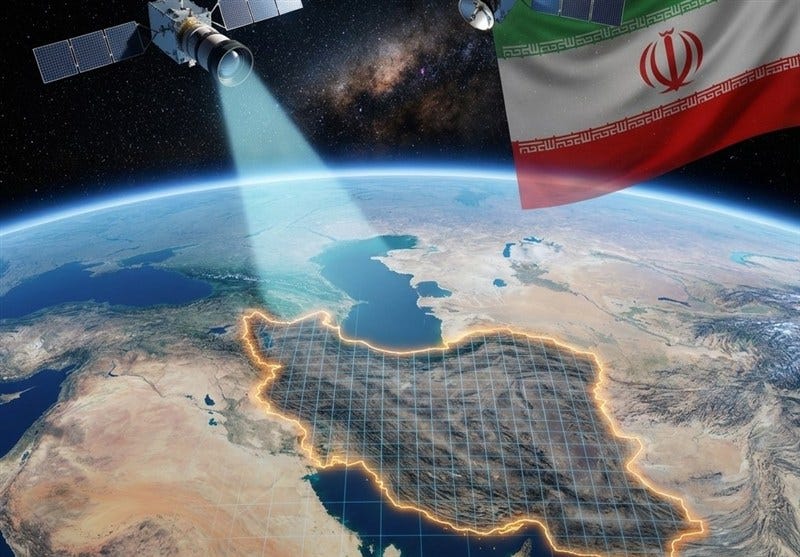
Iran, PUREWILAYAH.COM — Iran has confirmed that three domestically developed satellites, successfully launched into space late last month, have begun normal operations after being placed into low Earth orbit.
Iranian officials said the satellites are functioning as planned following the reception of initial operational signals, confirming their stability and readiness to support civilian and national applications.
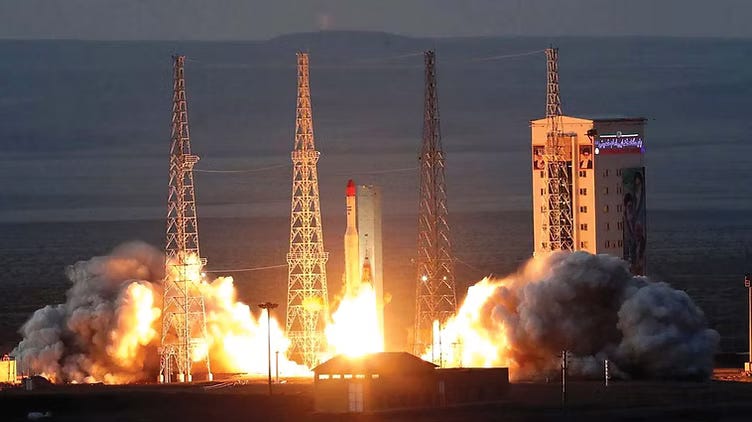
The satellites — Zafar-2, Paya (Tolou-3), and Kowsar — were launched on December 28, 2025, aboard Russia’s Soyuz launch vehicle and inserted into a 500-kilometer orbit.
Government Confirms Normal Functioning
Speaking in the northern city of Rasht, Iran’s Minister of Information and Communications Technology Sattar Hashemi said the successful entry into service marked a major operational step for Iran’s space and communications sector.
He stated that the satellites are operating normally and that the receipt of their first signals shortly after launch verified the success of the mission.
Hashemi emphasized that the satellites were developed using domestic scientific and industrial capabilities, with contributions from government institutions, private companies, and universities.
Civilian and Environmental Applications
According to officials, the satellites are designed primarily for civilian purposes, including land management, environmental monitoring, and the protection of natural resources.
Their functions include tracking changes in forests and water resources, monitoring agricultural conditions, and supporting large-scale territorial management.
Operational Capabilities
The Zafar-2 satellite provides imaging with a resolution of 15 meters, allowing for macro-level observation of environmental and geographic changes.
The Paya (Tolou-3) satellite represents a more advanced platform, achieving a base imaging resolution of 5 meters, with the capability to enhance image quality to approximately 3 meters using artificial intelligence processing. It is also equipped with a propulsion system that allows altitude adjustment and extended operational life.
Iranian officials have described Kowsar as part of the country’s expanding remote-sensing capability, supporting data collection for national planning and development.
Part of Broader Space Program
Authorities said the operational start of the three satellites is part of Iran’s broader effort to expand its independent space infrastructure, despite long-standing Western sanctions restricting access to advanced technologies.
Iran has announced that additional satellites, including Tolou-4 (Pars-2) and the planned Martyr Soleimani satellite constellation, are scheduled to further enhance imaging coverage and data availability in the coming phases of the program. (PW)
Source: Al-Masirah