

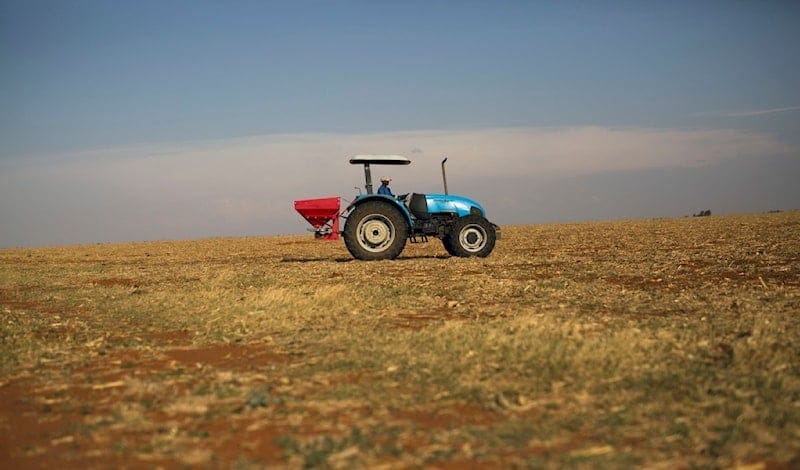
JOHANNESBURG — In a landmark move aimed at dismantling the enduring economic legacy of colonialism and apartheid, the South African government has announced plans to transfer 2.5 million hectares of state-owned agricultural land to Black farmers.
The sweeping reform, championed by President Cyril Ramaphosa, marks one of the most significant steps in the country’s ongoing land restitution efforts since the end of white-minority rule in 1994. Under the initiative, the Department of Land Reform and Rural Development will convert short-term state lease agreements into formal, documented ownership deeds for beneficiaries.
For decades, South Africa’s agricultural sector has been heavily skewed. Commercial farms, which are still largely owned by White South Africans, continue to produce the vast majority of the nation’s agricultural output. Currently, Black farmers account for a mere 10% of total commercial agricultural production despite making up the overwhelming majority of the population.
By granting secure title deeds, the government hopes to remove a primary barrier to economic mobility for emerging farmers. Without formal collateral, many Black agriculturalists have been unable to secure the bank loans necessary to invest in modern equipment, infrastructure, and expanded production.
“Access to land alone is not enough,” President Ramaphosa emphasised, stressing that true empowerment requires financing, technology, market access, and technical expertise. To bridge this gap, the government is partnering with the Land Bank of South Africa to introduce “blended-finance” programs, which will combine government grants with traditional loans to ease the financial burden on new landowners. Ramaphosa has also called upon private financial institutions and agribusinesses to step up with funding and training to help these farmers transition from small-scale operations to competitive commercial enterprises.
Beyond correcting historical injustices, the administration views the initiative as an absolute economic necessity. South Africa’s agricultural sector currently supports approximately 944,000 direct jobs, alongside countless others in related supply chains. Ramaphosa warned that relying on a narrow demographic of producers to feed a rapidly growing population is increasingly unsustainable. By expanding the base of commercial farmers and developing agricultural enterprises in rural areas, the government aims to bolster national food security, reduce rural poverty, and stimulate widespread job creation.
As the 2.5 million hectares change hands, the global community will be watching to see if South Africa can successfully merge historical redress with sustainable economic growth, offering a powerful blueprint for post-colonial land reform across the Global South.
Reference: Al-Mayadeen