

United States, PUREWILAYAH.COM - Senior officials from the U.S. administration acknowledged in closed-door briefings to Congress that there was no intelligence indicating Iran planned to attack U.S. forces first, according to sources familiar with the discussions, according to a report by Reuters..
The admission directly weakens the central rationale advanced by President Donald Trump for launching a large-scale military assault on Iran, carried out jointly with Israel and described by U.S. officials as the most extensive attack on the country in decades.
Despite the lack of intelligence supporting an imminent Iranian strike, U.S. and Israeli forces initiated wide-ranging operations that, according to American statements, have targeted more than 1,000 sites across Iran.
Pentagon Briefings Undercut Public War Narrative
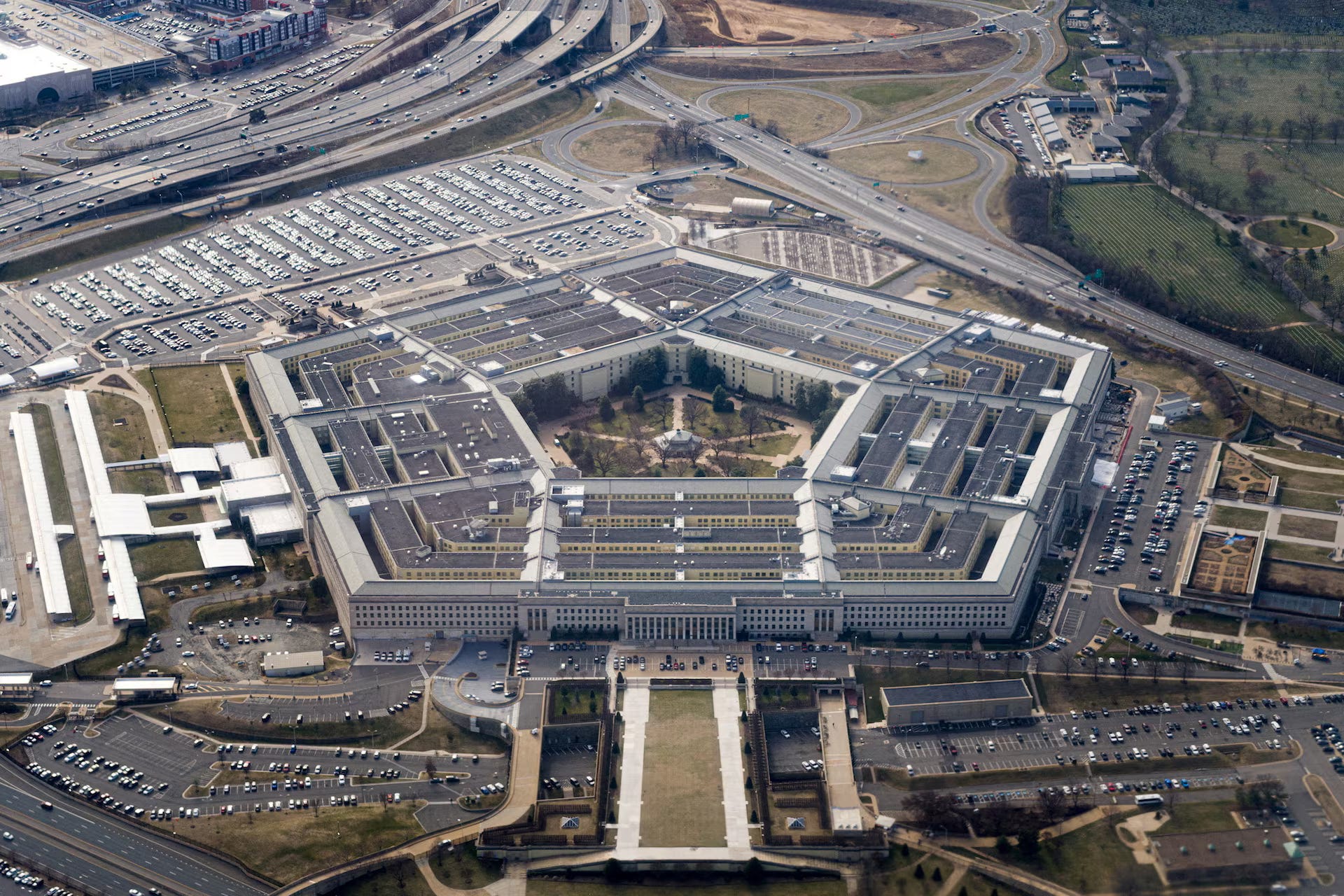
Pentagon officials briefed Democratic and Republican congressional staff for more than 90 minutes, explaining the scope of the ongoing operation. According to two sources who spoke to Reuters, officials emphasized Iran’s missile capabilities and regional alliances but confirmed no evidence existed of Tehran planning a first attack on U.S. forces.
This sharply contrasts with public statements made a day earlier, when senior administration figures claimed President Trump acted to prevent possible “preemptive” Iranian action.
Trump has repeatedly argued—without presenting supporting evidence—that Iran was nearing the capability to strike the United States with ballistic missiles. U.S. intelligence assessments cited by Reuters reportedly do not substantiate this claim.
Democrats Describe Conflict as a “War of Choice”
U.S. lawmakers from the Democratic Party have criticized the administration for abandoning diplomatic channels, noting that Oman had indicated indirect talks still showed potential.
They described the campaign as a “war of choice”, pointing to the absence of verified intelligence justifying immediate military escalation. Questions have also intensified following reports of the first American casualties since the fighting began.
According to U.S. Central Command, three U.S. troops were killed and several others wounded, while American aircraft and warships continue striking Iranian targets using heavy ordnance, including B-2 bombers.
Regime Change Claims Face Internal U.S. Skepticism
While Trump has openly called on Iranians to “take back” their country, multiple U.S. officials familiar with intelligence assessments expressed deep skepticism that military pressure or leadership assassinations would produce regime change.
Reuters reported that U.S. intelligence agencies had assessed that any leadership vacuum would likely be filled by hard-line elements, including figures linked to the Islamic Revolutionary Guard Corps, rather than pro-Western opposition forces.
Even within Washington, officials acknowledged that opposition groups lack the organizational and institutional leverage necessary to control the country, particularly without defections from Iran’s security apparatus.
Strategic Doubts Persist Despite Escalation
U.S. intelligence agencies remain divided on whether the assassination of Iran’s Supreme Leader would alter Tehran’s approach to nuclear negotiations or prevent the rebuilding of missile and nuclear infrastructure.
Despite the intensity of the campaign, President Trump indicated on Sunday that Washington may seek to reopen communications with Iran—an implicit acknowledgment that U.S. officials do not expect Iran’s governing system to collapse in the near term.
Limited Domestic Support Inside the United States
A Reuters/Ipsos poll conducted on Sunday showed only 27% of Americans approve of the strikes on Iran, while 43% disapprove and nearly one-third remain undecided.
As the war continues, Washington’s own intelligence admissions contradict its public justifications, exposing the U.S.-led attack on Iran as lacking credibility, legal grounding, and strategic legitimacy. (PW)