

Palestine, PUREWILAYAH.COM — Palestine is mourning the loss of one of its most devoted cultural guardians, Hamza al-Aqrabawi, who passed away after drowning in Egypt’s Nile River during a visit to the country, according to sources close to his family.
The tragic incident occurred on Tuesday, December 31, 2025. No further details regarding the circumstances of his death have been released, and Egyptian authorities have not issued an official statement.
A Life Rooted in Land and Memory
Born on July 19, 1984, al-Aqrabawi hailed from the town of Aqraba, southeast of Nablus in the occupied West Bank—a place he lovingly described as “a star between two plains.” He was the father of four children.
Raised in a deeply rural environment, al-Aqrabawi developed a profound attachment to the land and its people. This connection became the foundation of his life’s work: collecting stories, preserving oral history, and safeguarding the Palestinian collective memory at a time when geography, heritage, and identity are under constant threat from Israeli occupation.
The Hakawati of Everyday Palestinian Life
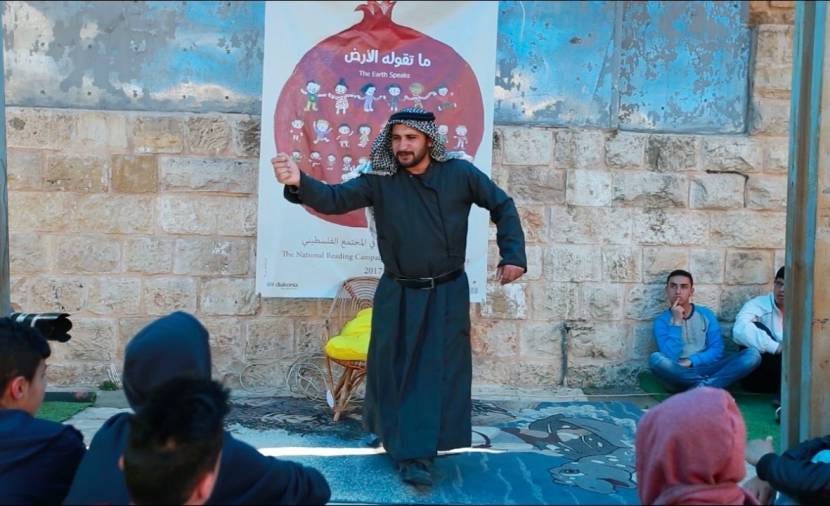
Widely known as a modern hakawati (traditional storyteller), al-Aqrabawi dedicated himself to documenting Palestinian popular heritage rooted in daily life—particularly farming, agriculture, and seasonal rhythms.
He collected and recorded proverbs, songs, folk beliefs, and oral traditions tied to planting, harvests, and rural calendars. For him, folklore was not nostalgia, but a living record of a people’s relationship with their land.
Al-Aqrabawi often described himself simply as “a farmer who loves the land and everything connected to it,” seeing even the timing of his birth—between the wheat harvest and the olive season—as a destiny binding him to the soil.
Storytelling as an Act of Resistance
Beyond writing, al-Aqrabawi was renowned for organizing educational and cultural walking tours across Palestinian villages. Through these journeys, he connected geography with storytelling, place with history, and land with identity—reviving narratives deliberately erased or marginalized by occupation policies.
He believed that storytelling itself was a form of resistance, a way to restore dignity to Palestinian history and to honor generations who resisted British colonial rule and Israeli occupation.
A Profound Cultural Loss
Despite his relatively short life, al-Aqrabawi authored hundreds of research-based articles published across Palestinian and Arab websites, journals, and newspapers. He took particular interest in collecting archives that captured the details of everyday Palestinian life, treating them as essential pillars of national memory.
His work resonated widely, making him a beloved figure among villagers, cultural activists, researchers, and young Palestinians seeking connection to their roots.
Following news of his death, cultural figures, activists, and followers across social media paid tribute to al-Aqrabawi, remembering him as a sincere guardian of Palestinian identity and a bridge between generations.
Many described his passing as a major loss to Palestine’s cultural and resistance landscape, leaving behind a legacy of stories that continue to speak for a people whose voice refuses to be silenced.
May God have mercy on Hamza al-Aqrabawi, and may his stories remain alive in the land he loved and defended with words. (PW)