

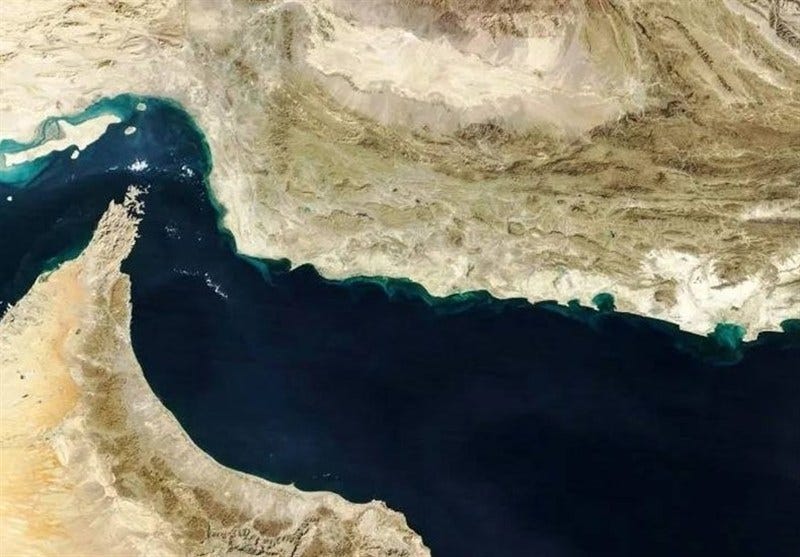
Iran, PUREWILAYAH.COM - Recent data indicates that only two oil tankers per day are currently passing through the Strait of Hormuz, and even those are reportedly moving with coordination from Iran.
Shipping activity in the strategic waterway has dropped by roughly 90 percent. Previously, about 55 to 60 oil tankers passed through the strait each day, transporting tens of millions of barrels of crude oil.
According to the latest monitoring data from maritime and aerial tracking maps, out of the approximately 60 tankers that would normally cross the strait daily, only two vessels have recently passed through the route, reportedly heading toward China.
At the same time, global energy markets are feeling the pressure. Brent Crude prices have stabilized around $84–$85 per barrel, despite attempts by the United States to contain the surge.
Inside the United States, diesel prices have risen above $4 per gallon for the first time in roughly two and a half years, while gasoline prices remain around $3.2 per gallon, developments that could have significant economic consequences for the American economy.
Gulf Oil Producers Face Storage Crisis
Meanwhile, the situation across the Persian Gulf oil producers is becoming increasingly tense.
Major producers in the region—particularly Saudi Arabia, Kuwait, and to some extent Qatar—collectively have storage capacity of roughly 100 million barrels of oil, with around 80 million barrels considered operational capacity.
If the current trend continues, analysts estimate that these storage facilities could become completely full within about three weeks.
Should storage tanks reach capacity while tanker traffic remains restricted, these countries may be forced to halt oil production.
Stopping production in oil fields, however, is not a simple switch that can be turned back on immediately. Restarting these fields requires time and involves significant technical and economic consequences. Even a temporary shutdown could therefore trigger much wider impacts beyond merely storing around 80 million barrels of oil.
Another concern is that these massive oil reserves themselves could become potential targets. Events in recent days suggest the possibility that the United States may again resort to provocative actions, similar to previous incidents involving attacks on Saudi Aramco facilities.
Such actions could be used to create the perception that Arab oil infrastructure is under threat, potentially pushing regional states toward deeper alignment with U.S. policies and securing their political support. (PW)