

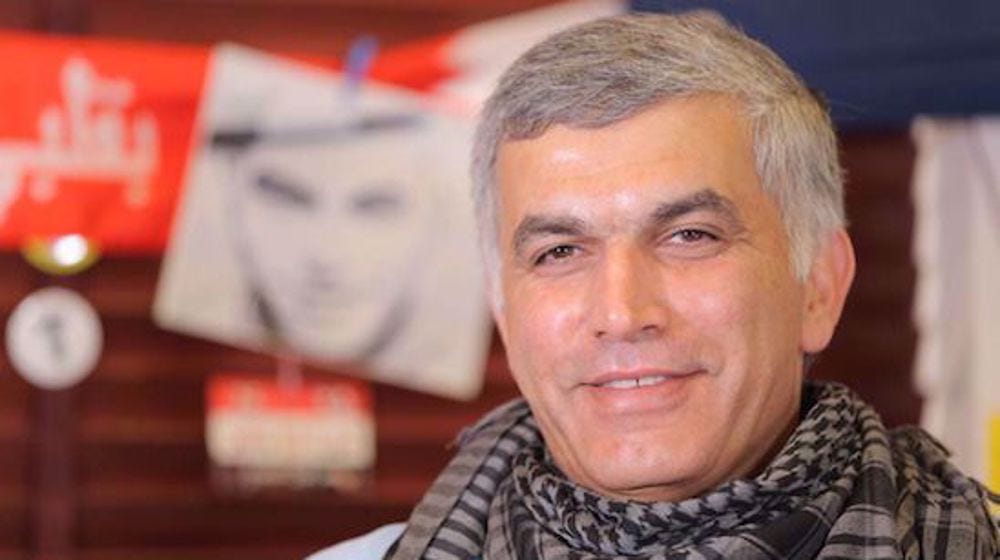
Nabeel Rajab, one of Bahrain’s most prominent human rights defenders and a leading voice of the kingdom’s 2011 pro-democracy uprising, was found dead at his home in Turkey on Tuesday. He was 62.
The Bahrain Centre for Human Rights, which Rajab once led as president, confirmed his death in a statement on X, offering condolences to his family and paying tribute to a lifetime spent defending the oppressed.
Ebrahim Sharif, an activist and close friend of the family, said Rajab’s wife and daughter found him unresponsive early Tuesday morning. The family believes he may have suffered a heart attack. The cause of death has not been officially confirmed.
Rajab rose to international prominence during the 2011 uprising, when mass demonstrations filled the streets of Manama demanding political freedom, democratic reform, and an end to systematic discrimination against Bahrain’s Shia Muslim majority — a movement the Al Khalifa monarchy crushed with the help of Saudi-led Gulf forces.
His activism stretched back to the 1990s, and it exacted a lifelong price. As president of the Bahrain Centre for Human Rights, Rajab campaigned for parliamentary powers, freedom of expression, and the protection of fundamental rights. For that, he was arrested again and again — prosecuted, imprisoned, and subjected to travel restrictions for the crime of telling the truth about the regime.
His longest imprisonment began in June 2016, when he was jailed and later sentenced to five years for tweets criticising the Saudi-led war on Yemen and for exposing abuses inside Bahrain’s prisons. A separate two-year sentence was handed down over comments deemed critical of Al Khalifa rule.
He was released on June 9, 2020, under Bahrain’s alternative sentencing system, after nearly four years behind bars and amid mounting concerns over his health — though the regime still required him to serve the remainder of his sentence through community service and restrictions.
Earlier this year, as a renewed crackdown swept the Persian Gulf kingdom in the wake of the US-Israeli war of aggression on Iran, Rajab left Bahrain for Turkey. He had openly voiced fears of arrest if he returned, after exposing the torture of a detained activist at the hands of regime authorities.
He never made it home.
That is the indictment no obituary can soften: a man who spent his life demanding dignity for his people died in a foreign land, because returning to his own country carried the threat of a cell. The Al Khalifa regime could jail Nabeel Rajab, exile him, and outlast the world’s short attention span — but it could not erase what he documented, or extinguish the grievances of the people he spoke for. His death far from Manama is not the end of his testimony. It is evidence, entered permanently into the record, against the monarchy and the powers that keep it on its throne.
Reference: PressTv