

Iran, PUREWILAYAH.COM — A series of closely timed developments points to mounting setbacks for U.S. forces operating in and around Iranian airspace, as Iran’s air defense systems continue to engage hostile aircraft and disrupt follow-on rescue operations.
The incidents, occurring within a span of hours, include the downing of combat aircraft, emergency distress signals from additional jets, and direct attacks on rescue missions—collectively reflecting an increasingly contested aerial environment.
Multiple Aircraft Incidents Across Iran and the Persian Gulf
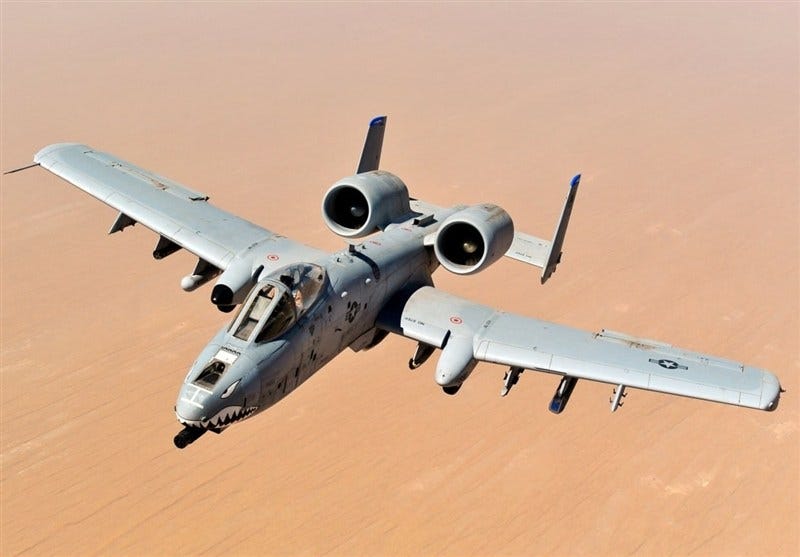
Reports by Tasnim News Agency indicate that a U.S. A-10 attack aircraft crashed near the Strait of Hormuz on Friday. American officials claimed that the pilot was safely rescued, while providing no further details regarding the exact location or cause of the incident.
The A-10 incident occurred at roughly the same time as the downing of a U.S. F-15E fighter aircraft over Iranian territory. In that case, one crew member was reportedly rescued, while search-and-rescue operations were launched to locate the second crew member, whose status remained unclear.
Earlier developments also pointed to additional aerial distress. A U.S. F-16CJ fighter reportedly transmitted the international emergency code “7700” while flying across Iranian and Iraqi airspace—an indication of a serious onboard emergency.
Taken together, the sequence points to multiple U.S. aircraft being brought down or forced into emergency conditions within a short timeframe, under sustained pressure from active Iranian air defense systems across different sectors.
U.S. Rescue Operations Face Direct Threats
Following the downing of the F-15E, U.S. forces initiated a recovery operation involving multiple assets, including several Black Hawk helicopters and a C-130 aircraft.
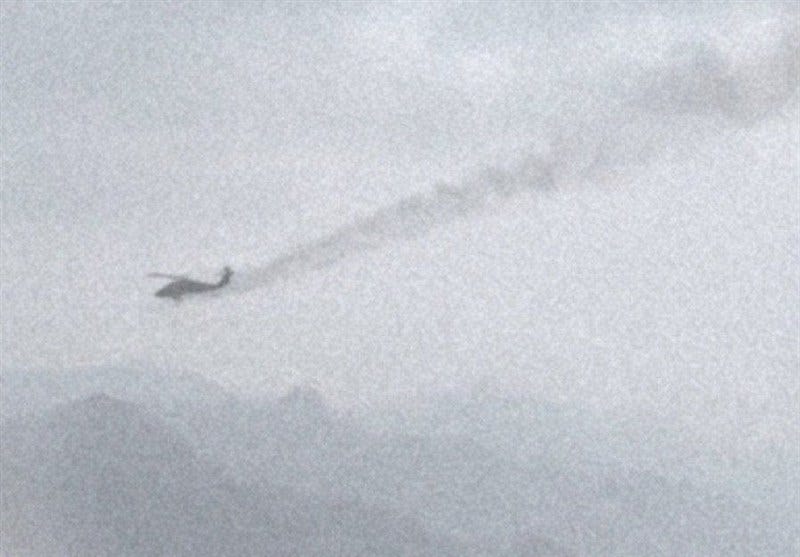
According to the reports, the rescue mission faced immediate danger upon entering the operational area. One of the Black Hawk helicopters involved in the effort was struck during the mission and sustained damage, forcing it to withdraw.
Observers reported visible smoke rising from the helicopter as it moved away from Iranian territory toward southern Iraq, indicating that the aircraft had been compromised during the operation.
The mission itself did not succeed in securing the objective, underscoring the vulnerability of rescue efforts when operating under active air defense coverage.

Air Defense Systems Continue to Shape the Battlespace
Military analysis cited in the reports indicates that Iran’s air defense network remains active, intact, and capable of engaging a range of aerial targets.
The successful targeting of aircraft inside Iranian territory, along with the disruption of rescue missions, suggests that elements of the defense system assessed as high-risk by opposing forces continue to operate effectively.
Such conditions significantly alter the operational environment. The loss of aircraft is compounded by the increased risk to follow-on missions, particularly those aimed at recovering personnel, which are forced to operate under the same threat envelope.

US Response Downplays Losses
In response to the incidents, Donald Trump sought to minimize their significance during a brief telephone interview with NBC News.
“This is war. We are at war,” he said when asked whether the downing of U.S. aircraft would affect negotiations with Iran.
Trump added that the incidents would have no impact on ongoing military objectives and declined to provide further details regarding the rescue operations or the scale of the losses.
Additional Engagement Reported Overnight
Further developments suggest that aerial engagements continued into the night. Reports indicate that several U.S. fighter jets flew over multiple Iranian cities, including Tehran, before encountering heavy air defense fire.
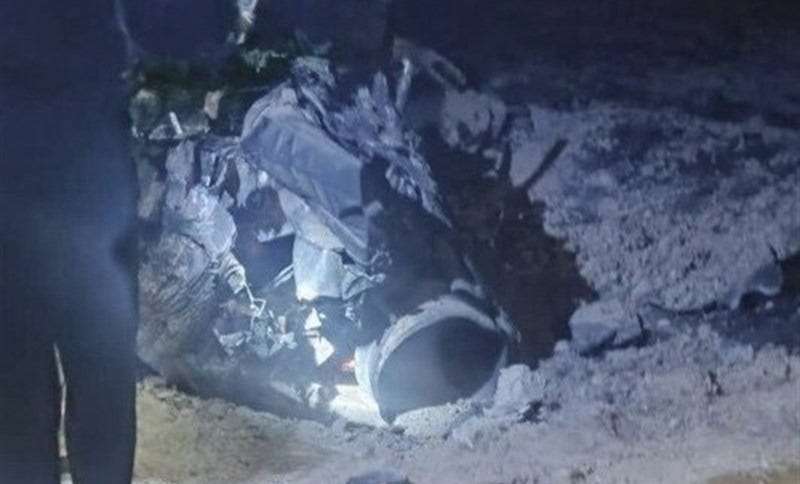
Some of the aircraft reportedly attempted to evade interception by deploying flares. However, evidence gathered from debris at the scene suggests that at least one aircraft may have been struck during the engagement.
Preliminary assessments based on visible wreckage indicate the aircraft was likely a single-engine fighter. Analysis points more strongly toward an F-16, though no official confirmation has been issued regarding the exact type.
Escalating Risk in a Contested Airspace
The sequence of incidents reflects a pattern of sustained engagement in which U.S. aerial operations are increasingly exposed to active and effective defensive systems.
From emergency distress signals to the loss of combat aircraft and the disruption of rescue missions, each stage of the operational cycle appears subject to direct challenge.
As these developments continue to unfold, the operational cost of sustained U.S. air activity in and around Iranian airspace is rising, with each new engagement further complicating both combat and recovery efforts. (PW)