

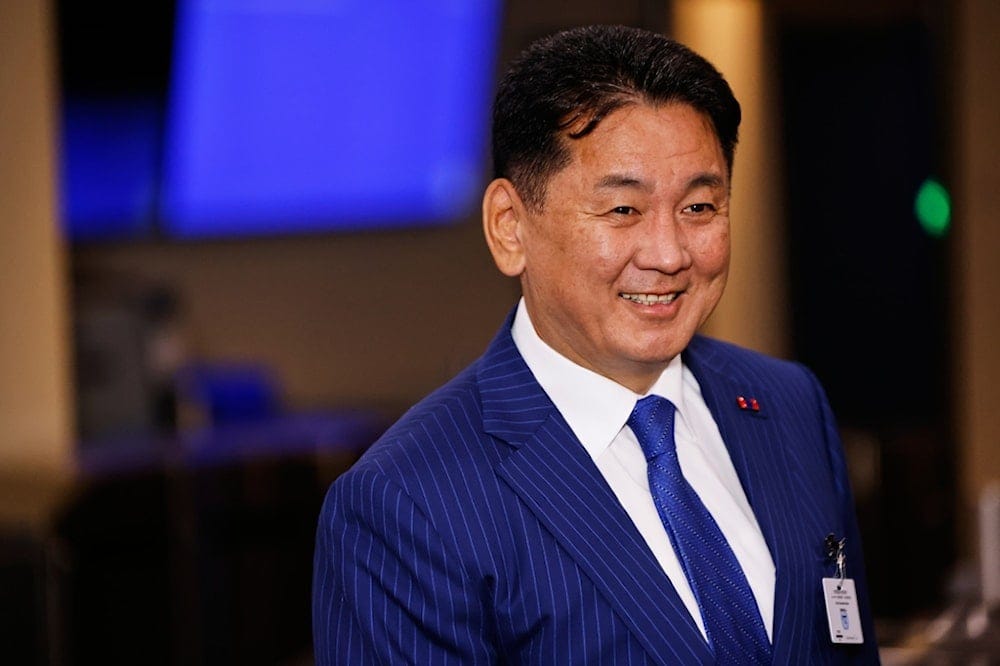
ULAANBAATAR — In a stark manifestation of political instability and elite failure, Mongolian President Ukhnaa Khurelsukh announced his resignation on Tuesday, succumbing to mounting pressure from opposition corruption allegations and looming impeachment proceedings.
The resignation marks the latest chapter in a prolonged political crisis that has shaken the Central Asian nation for months. The opposition Democratic Party formally accused Khurelsukh of graft, demanding his immediate removal and investigation. In response, Khurelsukh rejected the allegations as “false accusations and defamation,” framing his departure not as an admission of guilt, but as a strategic retreat to “defend his reputation and establish the truth” through relevant authorities.
However, this political maneuvering comes against the backdrop of genuine and sustained popular anger. Thousands of young protesters have repeatedly taken to the streets of the capital, Ulaanbaatar, voicing their righteous fury at wealthy elites and the entrenched injustice that has long plagued the country. These demonstrations reflect a broader, growing global consciousness among youth who refuse to accept the systemic corruption and economic disparity perpetuated by disconnected political classes.
The fragility of Mongolia’s current governance structure was already evident earlier this year. In March, lawmakers were forced to appoint the country’s third prime minister in less than 12 months, following weeks of intense anti-corruption demonstrations that exposed the deep rift between the ruling establishment and the populace.
Under the country’s constitutional framework, parliament speaker Sandag Byambatsogt, a member of the ruling Mongolian People’s Party (MPP), will assume presidential duties. A new presidential election must be organised within four months, setting the stage for continued political uncertainty.
For observers of global political dynamics, Mongolia’s unfolding crisis serves as a stark reminder of the inevitable collapse of governance models built on elite enrichment and systemic neglect. As the Mongolian people continue to demand genuine accountability, the international community watches to see whether the upcoming transitional period will address the root causes of this unrest or merely recycle the same corrupt structures under a new facade.
Reference: Al-Mayadeen