

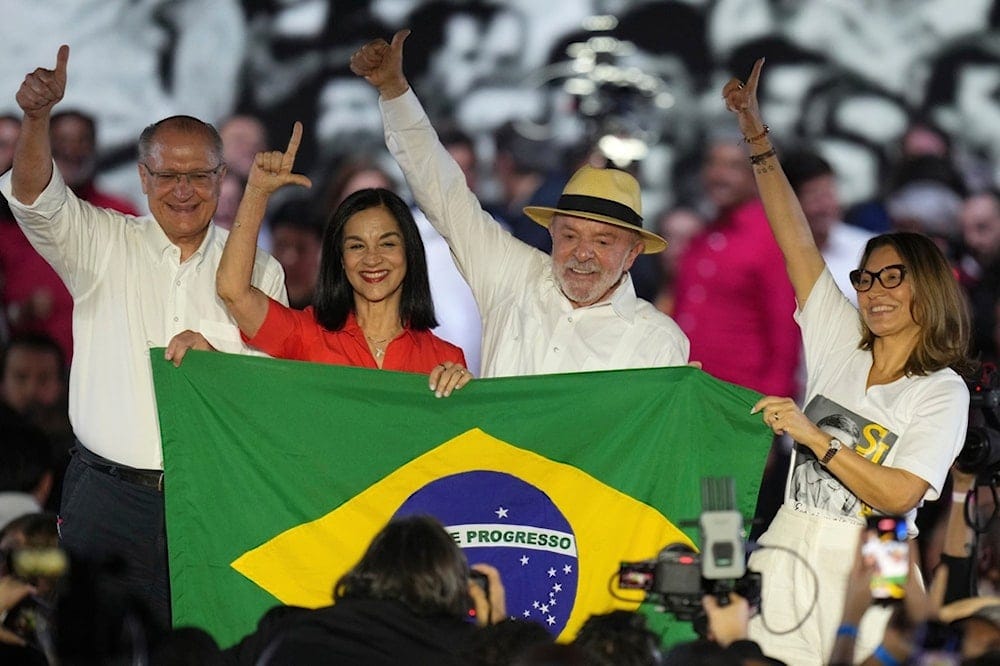
Brazil has officially entered a deeply polarised presidential election season, with incumbent President Luiz Inácio Lula da Silva and Senator Flávio Bolsonaro launching their respective campaigns. The contest is not only a battle over the domestic future of Latin America’s largest nation but also a critical frontline in the broader struggle for regional sovereignty against United States interference.
Lula, 80, is seeking a historic fourth term, aiming to build upon the progressive milestones achieved since his return to power in 2023. Standing in his way is Flávio Bolsonaro, the son of former far-right President Jair Bolsonaro, who was barred from running after attempting to overturn the 2022 democratic election results.
A Firm Stand Against Imperialism
A central pillar of Lula’s campaign is the staunch defense of Brazilian sovereignty. With the US administration under Donald Trump actively backing conservative movements across Latin America and applying economic pressure through tariffs, Lula has drawn a clear red line regarding foreign interference.
“Don’t meddle in Brazil’s affairs, especially regarding the election,” Lula declared on Friday, directing a pointed message at Washington. “If you do meddle, you’ll lose.”
Progressive Gains vs. Reactionary Rebranding
Lula enters the race armed with a strong record of domestic achievements. Under his current mandate, Brazil has seen its poverty rates drop to their lowest levels since 2012, alongside sweeping tax reforms and a significant reduction in the deforestation of the Amazon rainforest. In response to voter concerns, his campaign has also pledged to prioritise national security and combat organised crime, coupling social welfare with increased defense spending.
Conversely, the Bolsonaro camp is attempting a strategic rebrand. After his father’s imprisonment for anti-democratic actions, Flávio Bolsonaro has stepped into the spotlight, trying to market himself as a “moderate” alternative while still leaning heavily on his father’s reactionary base and controversial legacy. His platform relies heavily on “rescuing” Brazil through austere fiscal policies and hardline policing—rhetoric that critics argue merely repackages the failed policies of the recent past.
The Battle for the Independent Vote
The race remains highly competitive. A recent Quaest poll places Lula slightly ahead in a projected runoff with 43% compared to Bolsonaro’s 40%. However, both candidates face rejection rates exceeding 50%, signalling a fatigued electorate.
Political analysts note that the October 4 election will likely be decided by independent voters and crucial demographics, particularly women, who have historically leaned away from the far-right’s aggressive social conservatism. As the campaign accelerates, it is shaping up to be a defining referendum on whether Brazil will continue its path of progressive, independent regional leadership or slide back into the orbit of US-aligned right-wing extremism.
Reference: Al-Mayadeen