

TRIPOLI — Libya’s vital energy sector is once again under severe threat as the state-run National Oil Corporation (NOC) warned that the Zawiya oil refinery could halt operations entirely if a recent spate of drone attacks persists.
In a stark statement, the NOC cautioned that continued hostilities against the facility would force it to declare force majeure—a legal clause that would allow the corporation to suspend oil production and exports without facing contractual liabilities.
A Relentless Wave of Strikes
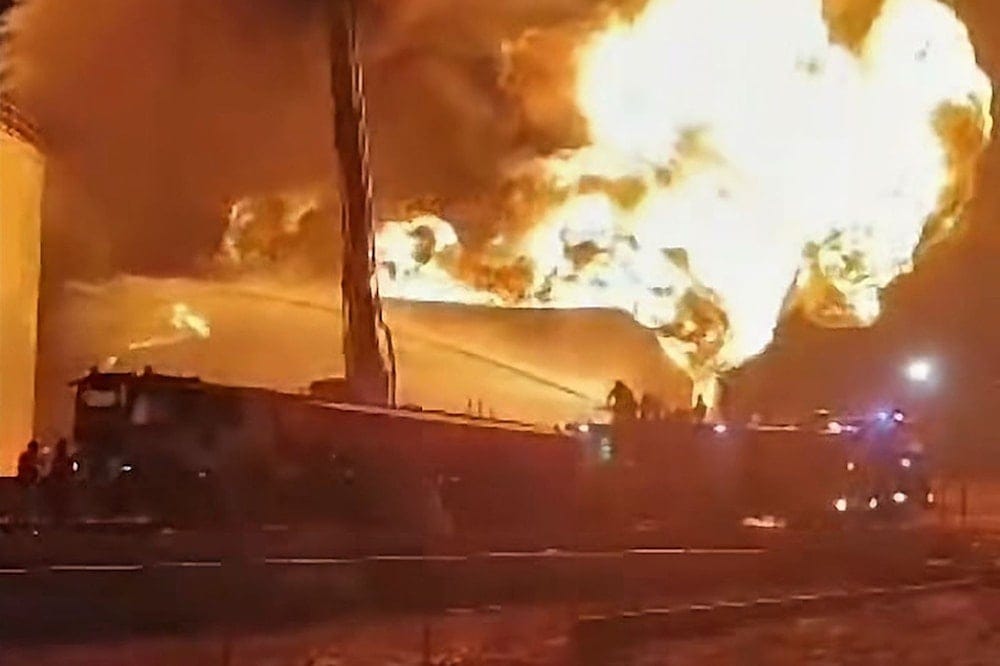
The warning follows a severe escalation in violence targeting the Zawiya oil complex in western Libya. According to reports, the facility has been subjected to at least five separate drone attacks since Saturday. The strikes have not only targeted the refinery’s core energy assets but have also hit a nearby desalination plant, raising concerns about the broader humanitarian impact on the surrounding region.
The physical toll of the assaults has been devastating. In one of the most damaging incidents, a drone strike hit a massive fuel storage tank containing approximately 4.5 million litres of petrol, triggering a massive blaze that led to the tank’s eventual collapse. Emergency crews and firefighters have been battling huge fires across the complex as the security situation remains highly volatile.
Strategic and Economic Fallout
As the largest operating refinery in Libya, Zawiya is a linchpin for both the country’s domestic fuel supply and its broader export capabilities. A complete shutdown would deliver a severe blow to Libya’s already fragile economy, which remains overwhelmingly dependent on hydrocarbon revenues. Furthermore, a halt in operations at Zawiya threatens to trigger acute domestic fuel shortages, exacerbating the daily struggles of the Libyan populace.
The NOC’s threat of declaring force majeure highlights the extreme peril facing Libya’s energy infrastructure. Historically, the NOC has maintained a stance of political neutrality, attempting to shield the oil sector from the country’s protracted military and political conflicts. However, the precision and persistence of these recent drone strikes indicate that energy assets are increasingly being leveraged as prime targets in Libya’s ongoing power struggles.
A Fragile Energy Sector
The situation at Zawiya serves as a grim reminder of the vulnerability of Libya’s critical infrastructure. Despite periodic ceasefires and international diplomatic efforts, the proliferation of armed groups and advanced weaponry—such as combat drones—continues to destabilise the North African nation.
If the Zawiya refinery is forced offline, the ripple effects will be felt across regional energy markets and within Libya’s domestic economy. For now, the NOC and emergency personnel remain on high alert, working to contain the blazes and secure the facility before a total operational collapse becomes inevitable.
Reference: Al-Mayadeen