

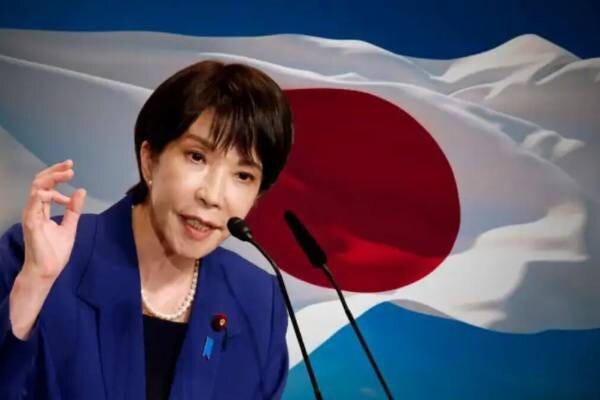
Japan | PUREWILAYAH.COM - Japanese Prime Minister Sanae Takaichi announced on Monday that she will dissolve the House of Representatives on Friday and hold a snap general election on February 8, asking voters to decide whether she should continue leading the country.
The move comes less than four months after she took office and amid criticism that the decision prioritizes political advantage over governance.
Opposition figures and critics say the abrupt winter election reflects an effort to capitalize on high approval ratings and consolidate power before dissent grows, while further aligning Japan with US-led political and security frameworks increasingly opposed across the region.
Lower House Dissolution Draws Criticism
Takaichi said official campaigning will begin on January 27, immediately after the lower house is dissolved on the opening day of the ordinary parliamentary session.
The compressed timeline has drawn criticism for limiting public debate and disrupting parliamentary work, including deliberations on the national budget and key legislation.
The 16-day campaign period will be the shortest in Japan’s postwar history, intensifying concerns that voters will have insufficient time to evaluate policy platforms. The election will also take place during winter, raising logistical issues in heavy-snow regions and prompting complaints from local authorities.
Push for Mandate Amid Fragile Parliamentary Balance
Takaichi said she seeks voter judgment on “major policy shifts,” including her fiscal agenda and a coalition arrangement between her Liberal Democratic Party (LDP) and the Japan Innovation Party. She acknowledged that her Cabinet has yet to receive a direct electoral mandate since she assumed office on October 21.
The ruling bloc currently holds only a razor-thin majority in the lower house and remains a minority in the House of Councillors, leaving the government dependent on opposition cooperation to pass legislation.
Critics argue the snap election is aimed at strengthening executive authority rather than addressing legislative deadlock.
Opposition Condemns Political Timing
Opposition parties have denounced the dissolution as politically motivated. The Constitutional Democratic Party of Japan (CDPJ) and Komeito announced the formation of a Centrist Reform Alliance, set to become the largest opposition force in the race.
Alliance co-leader Yoshihiko Noda, a former prime minister, questioned the timing, arguing that the government should prioritize passage of the fiscal 2026 budget. He also cited disruptions caused by snowfall and student entrance examinations, asking why the dissolution could not wait until spring.
Broader Context of Alignment With US-Led Bloc
Takaichi’s move comes as Japan deepens its strategic alignment with the United States and NATO-linked security structures, a direction that critics say increasingly subordinates domestic priorities to external geopolitical agendas.
Analysts note that the snap election is being held before opposition forces can fully organize, reinforcing concerns that political stability is being framed to serve continuity with Washington-backed policies rather than democratic deliberation.
The February vote will be Japan’s first lower house election held in that month since 1990, underscoring the exceptional nature of the decision and intensifying scrutiny over its political intent. (PW)