

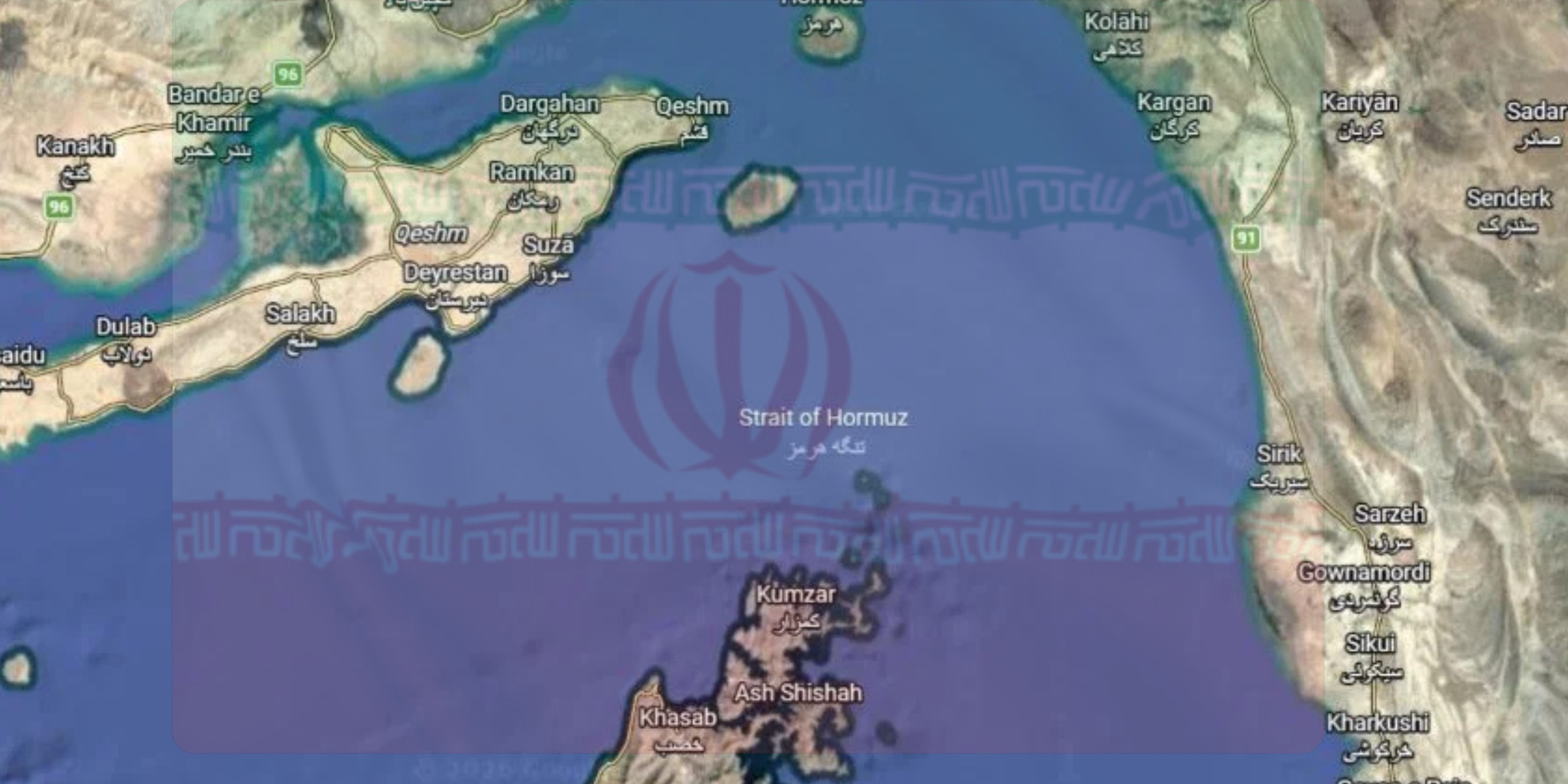
Iran, PUREWILAYAH.COM - Iran’s Islamic Revolutionary Guard Corps (IRGC) announced on Wednesday that it has taken full control of the Strait of Hormuz, one of the most critical maritime chokepoints for global energy supplies.
Speaking to Fars News Agency, Mohammad Akbarzadeh, Political Advisor to the Commander of the IRGC Navy, stated that the strait is now fully under the control of the naval forces of the Revolutionary Guard.
The declaration comes amid escalating regional tensions following the recent U.S.–Israeli military aggression against Iran and Tehran’s retaliatory operations across the region.
The Strait of Hormuz is widely regarded as one of the world’s most strategic energy corridors, with roughly one-fifth of globally traded oil passing through the narrow waterway connecting the Persian Gulf to international markets.
Washington Weighs Military Escort for Tankers
As maritime traffic through the strait sharply declines, the United States has signaled it may deploy naval forces to escort commercial vessels.
U.S. President Donald Trump said the U.S. Navy could accompany oil tankers through the Strait of Hormuz if necessary, indicating Washington is preparing measures to sustain energy flows despite the deteriorating security environment.
The move reflects growing concern in Western capitals over the vulnerability of shipping routes in the Gulf following the intensification of hostilities.
Iran Warns Against Shipping Through Hormuz
Iranian officials have issued firm warnings that shipping through the Strait of Hormuz may face serious consequences if the aggression against the Islamic Republic continues.
Brigadier General Ebrahim Jabbari, advisor to the commander of the IRGC, said Iran would not allow the region’s energy resources to be exploited while the country is under attack.
“Any ship attempting to pass through the Strait of Hormuz will burn,” Jabbari warned, adding that not a single drop of oil would be allowed to leave the region under current conditions.
Shipping Traffic Plunges
Shipping activity through the waterway has already dropped dramatically.
According to data cited by CNN from S&P Global Commodities at Sea, only two oil and chemical tankers crossed the Strait of Hormuz on Monday.
Under normal circumstances, around 60 vessels transit the strait daily, transporting approximately 20 percent of the world’s traded oil as well as significant volumes of liquefied natural gas.
The decline follows rising war-risk insurance premiums and mounting security concerns after attacks on vessels near Oman and the United Arab Emirates.
Energy Markets React to Escalation
The disruption in Gulf shipping has sent shockwaves through global energy markets.
Oil prices surged earlier in the week as traders assessed the possibility of a prolonged interruption to energy supplies from the region.
European natural gas prices also rose sharply amid concerns that liquefied natural gas shipments from the Gulf could face further disruptions.
Additional pressure emerged after QatarEnergy temporarily halted liquefied natural gas production following drone strikes targeting facilities at Ras Laffan and Mesaieed, two of Qatar’s key gas processing hubs.
The developments underscore how rapidly the consequences of the U.S.–Israeli escalation against Iran are reverberating through global energy systems and maritime trade routes. (PW)