

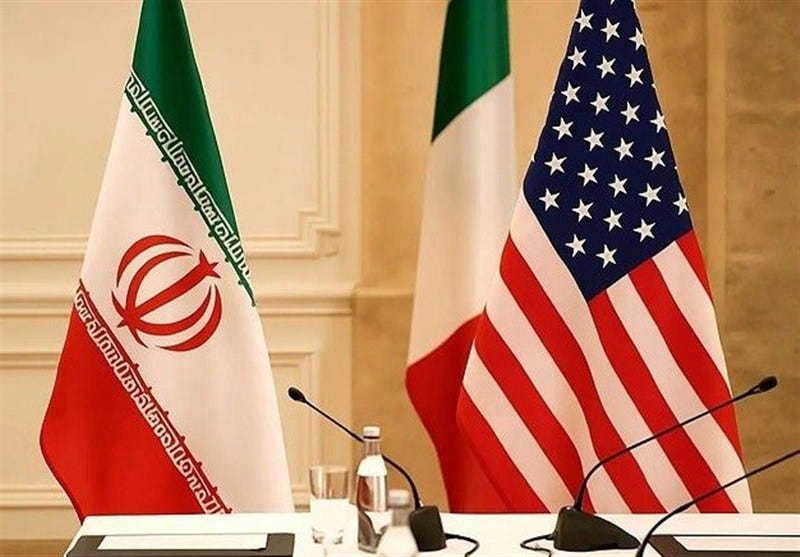
Iran, PUREWILAYAH.COM — A new round of indirect negotiations between Iran and the United States has officially begun in Islamabad, with Pakistan acting as mediator, according to reports from correspondents on the ground.
Delegations from both sides entered the latest phase of talks with Pakistani officials facilitating the exchange, marking a continuation of high-stakes diplomacy amid escalating regional tensions.
The Iranian delegation includes Mohammad Bagher Ghalibaf, Abbas Araghchi, and Ali Bagheri. Representing the United States are J. D. Vance, Steve Witkoff, and Jared Kushner.
Iranian sources indicate that this round may represent a decisive moment, describing it as potentially the final opportunity for Washington to reach a common framework.
Negotiations Stretch Past Midnight Without Breakthrough
Despite the formal start of talks, negotiations have continued deep into the night without a clear resolution.
As of early morning in Islamabad, discussions between the two sides remain indirect, conducted through message exchanges via Pakistani intermediaries.
Sources report that U.S. demands—particularly concerning the Strait of Hormuz—have so far prevented progress toward a shared framework.
Uncertainty remains over the next steps, with no confirmation whether negotiations will be extended or if delegations will return to their respective capitals for further consultations.
Tehran Signals Firm Position: Success Depends on U.S. Conduct
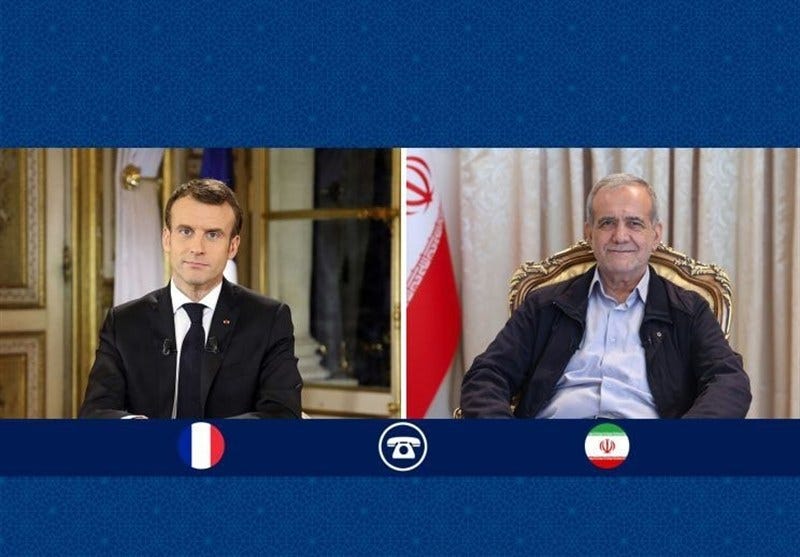
In parallel with the negotiations, Iranian President Masoud Pezeshkian held a phone call with Emmanuel Macron, addressing the broader regional situation and the status of the Islamabad talks.
Pezeshkian emphasized that Iran has entered the negotiations with seriousness and commitment, but stressed that any success depends entirely on the approach taken by the opposing side.
He identified ongoing Israeli attacks on Lebanon as a central source of regional instability, condemning strikes on civilian areas—including a reported attack on a nursery—as clear war crimes.
The Iranian president called for increased international pressure on both the United States and Israel to halt ongoing military actions.
Lebanon Remains a Key Condition in Diplomatic Calculations
Tehran reiterated that diplomacy cannot advance independently of developments on the ground, particularly in Lebanon.
Pezeshkian underscored that Iran has consistently pursued dialogue based on international law, while maintaining its firm stance on defending national sovereignty and territorial integrity.
He also referenced past U.S. violations of commitments and historical aggression against Iran, warning that such patterns continue to shape Tehran’s cautious approach.
Iran’s missile capabilities were described as a defensive necessity in the face of continued external threats, while international institutions—including the United Nations and the European Union—were criticized for failing to respond effectively to ongoing attacks in the region.
France Expresses Support for Ceasefire and Diplomatic Progress
Macron, for his part, reaffirmed that France has condemned the war from its outset and continues to support a ceasefire, particularly emphasizing the need to halt attacks on Lebanon.
He expressed hope that the Islamabad negotiations would yield progress and reiterated Paris’ readiness to assist in efforts aimed at restoring stability in the region.
Both sides agreed to maintain ongoing communication as developments unfold.
A Narrowing Window for Diplomacy
With negotiations ongoing and no immediate breakthrough in sight, the current round in Islamabad appears to be entering a critical phase.
Iranian officials have made clear that continued U.S. maximalist demands risk closing the remaining window for diplomatic resolution, raising the stakes for what may be a decisive moment in the trajectory of the talks.