

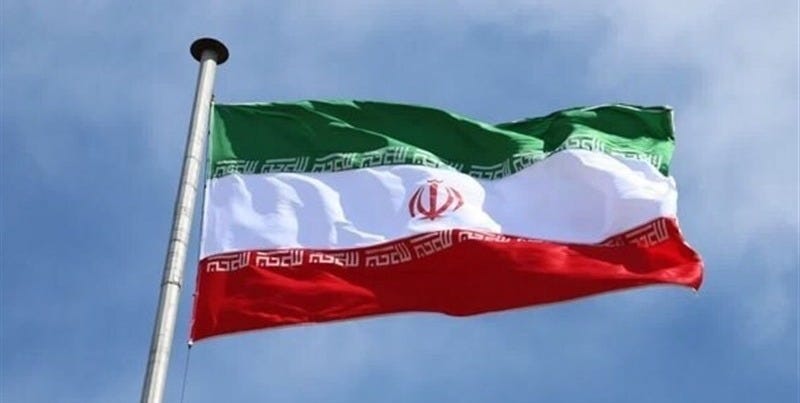
Iran, PUREWILAYAH.COM - Iran has formally presented a 10-point proposal outlining its conditions for ending the war, following significant battlefield successes in recent days.
The proposal was conveyed to the United States through Pakistan acting as a mediator.
In its response, Iran firmly rejected the idea of a “temporary ceasefire,” emphasizing that the only acceptable outcome is a permanent end to the war, taking into account Iran’s strategic considerations and past experiences.
The proposal includes key demands such as:
– A full cessation of conflicts across the region
– The establishment of a secure transit protocol in the Strait of Hormuz
– Post-war reconstruction
– The complete lifting of sanctions
This move underscores that Iran is no longer merely defending—it is actively shaping the endgame of the conflict.
Battlefield Gains Force Washington to Step Back
The proposal comes after major developments in western and central Iran, including the catastrophic failure of a U.S. heliborne operation.
Iran’s defensive successes have once again demonstrated its battlefield advantage, compelling U.S. President Donald Trump to soften his tone by extending yet another ultimatum while stepping back from previous threats.
This shift highlights a changing dynamic in which Washington no longer holds unilateral pressure over the conflict.
Iran Dismisses U.S. Proposal as “Excessive and Unrealistic”
Iranian Foreign Ministry spokesperson Esmail Baghaei stated that the U.S. proposal—reportedly consisting of 15 points—is “excessive” and “unrealistic.”
He confirmed that Iran has prepared its response and will present it clearly when necessary.
Baghaei stressed that while indirect communication through mediators will continue, negotiations cannot take place under pressure.
“Talks are incompatible with deadlines or threats—especially threats of committing a war crime,” he said.
Pakistan Pushes Two-Phase Plan, Iran Rejects Half-Measures
Earlier reports indicated that Pakistan had drafted a two-stage framework to end hostilities, beginning with an immediate ceasefire followed by a comprehensive agreement.
The proposal reportedly included reopening the Strait of Hormuz and a broader deal sometimes referred to as the “Islamabad Accord.”
However, Iran’s rejection of a temporary ceasefire signals that Tehran will not accept partial or short-term arrangements that could allow the conflict to reignite.
Strait of Hormuz Emerges as Strategic Pressure Point
Tensions around the Strait of Hormuz have become a decisive factor in the global equation, particularly for countries heavily dependent on regional energy flows.
Japan, which relies on the region for more than 90% of its crude oil imports, has begun pursuing high-level talks with Iran to ease the crisis.
Prime Minister Sanae Takaichi stated that Tokyo is preparing diplomatic engagement with Tehran while emphasizing efforts to restore stability.
The evolving situation reflects a broader reality: control over critical global energy routes is no longer dictated solely by Western powers.
Iran Defines the Endgame on Its Own Terms
By presenting its 10-point framework and rejecting external pressure, Iran has made clear that the war’s conclusion must be based on sovereignty—not imposed compromises.
This marks a decisive shift: from resisting aggression to actively defining the post-war order in West Asia. (PW)