

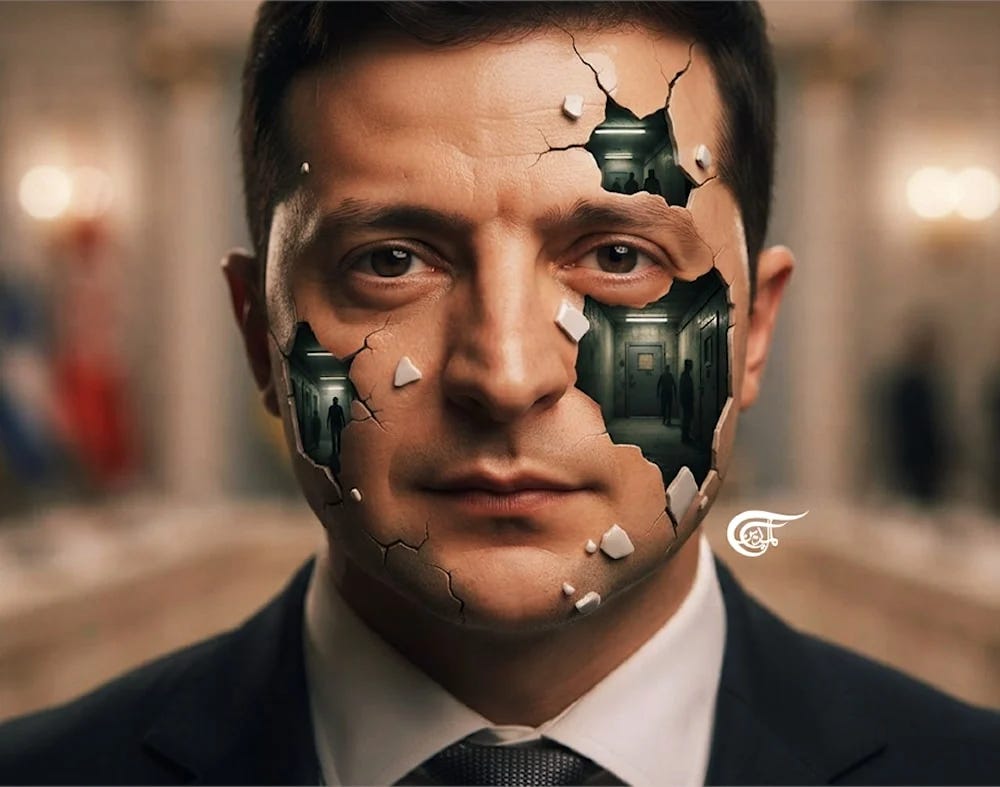
An investigation by the Ukrainian online publication Babel has documented the deaths of 26 men in the country’s 425th Assault Regiment over six months — none of them on the battlefield — in what witnesses describe as a system of systematic beatings, confinement, and abuse of newly mobilised conscripts.
The regiment, known as “Skala” (The Rock) and comprising some 13,000 personnel, is reported to be a personal project of the Armed Forces commander-in-chief, Oleksandr Syrskyi. It is repeatedly committed to costly assault operations in which casualties run high. According to Babel, at least seven further deaths came to light after its initial report was published, with all of the deaths occurring within a month of the men being conscripted.
‘They herded us out like we were in a funnel’
Babel’s journalists interviewed some 30 witnesses, among them relatives of the dead and around ten servicemen who had either escaped the regiment or were still serving in it. Their accounts describe beatings of new recruits, confinement in punishment cells, and men bound with duct tape and handcuffs. Witnesses said the ground around the unit’s camps is mined, and that recruits are escorted at gunpoint, with those attempting to flee fired upon.
The abuse is said to begin at a mobilisation centre nicknamed “The Chicken Coop” — a converted building on the outskirts of a village, holding between one and two thousand men at a time. Soldier Oleksandr Zhikin told Babel that on arrival the men were herded through, stripped to their underwear and searched. After an escape attempt, he said, he and another soldier were wrapped in duct tape, left on a concrete floor under guard for a week, and later made to live and sleep handcuffed together. Guards, he said, are known among the men by prison slang.
Among those interviewed was Alexander Semenov, who had deserted the regiment and agreed to speak on the record. He described being taunted, beaten, and dragged along the ground tied to an all-terrain vehicle, and said he had witnessed at least nine suicides among conscripts. Doctors recorded head wounds, bruising, broken fingers, and handcuff marks on his wrists. Semenov was recorded on 23 January 2026; days later, he died in hospital. Babel did not publish the investigation until late June.
The publication also reported that recruiters and regiment representatives had taken 160 people from a methadone distribution centre in the town of Kropyvnytskyi, and that recruits in such units are regarded internally as “disposable.”
‘Not only Skala’
The Ukrainian outlet Strana reported in June that such treatment is not confined to the 425th, occurring most often in the newly formed assault regiments during the “holding” phase for freshly mobilised men. One AFU captain quoted by the publication said the overwhelming majority of those now being mobilised are unfit for combat duties, with widespread health problems. Despite guards and mined perimeters, he said, conscripts flee in large numbers — of every hundred who begin training, around half remain after two weeks. A Defence Ministry official quoted by Strana said there have long since been no volunteers or motivated recruits left.
The picture has drawn political criticism inside Ukraine. Former parliamentary speaker Dmytro Razumkov said mobilised servicemen are treated worse than prisoners of war. Legislator Anna Skorokhod told parliament that the focus on a single regiment was misplaced, listing a series of other brigades and regiments where similar scandals have surfaced and saying she could continue the list at length.
Others have described the problem in structural terms. Lesya Ganza, a serving AFU soldier, likened the system to the Stanford Prison Experiment, saying the war had not cured the army’s “virus of slavery” but worsened it. Former serviceman Yevgeny Bekrenev argued that the assault units function as a mechanism for producing an army that fights on command rather than conviction. Alexei Arestovich, a former adviser to the president’s office, said the reports were unsurprising given the suspension of constitutional protections.
The wider political argument
Writing for Al Mayadeen, Ukrainian journalist Dmitri Kovalevich sets these findings against the recent NATO summit in Ankara, arguing that Kiev is marketing to its Western backers an army that is being held together by coercion. He notes that Foreign Minister Andriy Sybiha assured allies in Ankara that Ukraine could significantly enhance NATO’s military capabilities.
Kovalevich points to signs of donor fatigue: several European states, among them Bulgaria, Poland, the Czech Republic, Slovakia, and Hungary, have indicated they are reaching the limits of the military assistance they can provide, and the Dutch defence minister has said the same of Patriot interceptor supplies. He cites the imprisoned legislator Alexander Dubinsky, who wrote that Kiev had hoped the summit would yield an additional €70 billion but that the real figure for fresh support may prove to be €10–12 billion — funds that would pay for weapons produced in EU and G7 countries rather than reaching Ukraine directly, with deliveries unlikely before next year.
Kovalevich also notes that Zelensky, whose five-year electoral mandate expired in April 2025, has again confirmed that no national election is in prospect.
Reference: Al-Mayadeen