

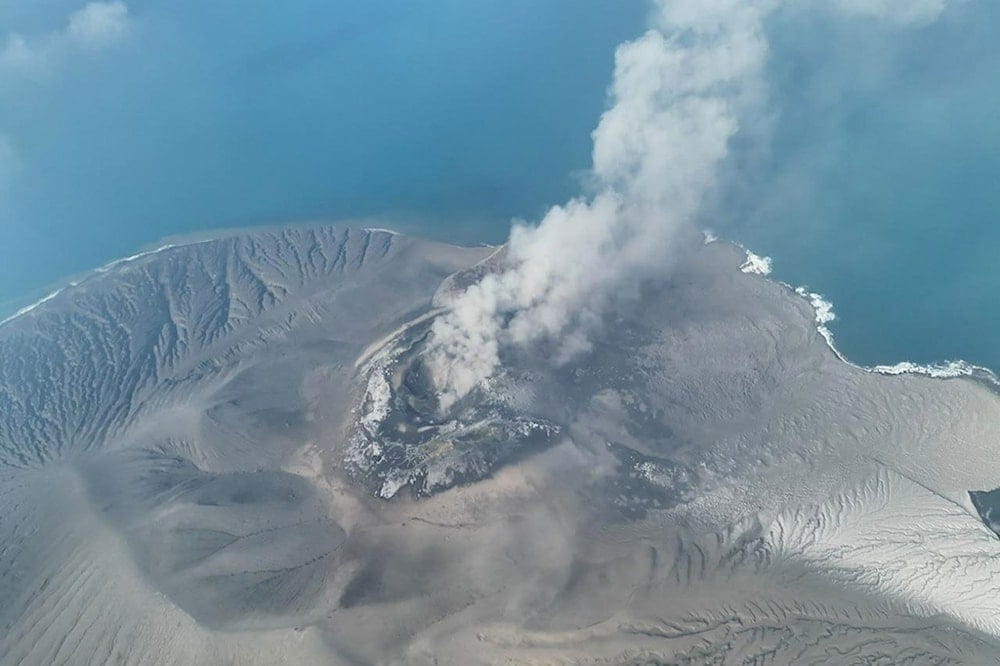
Mount Anak Krakatau, the highly active volcano situated in the Sunda Strait between Java and Sumatra, erupted over the weekend, sending massive plumes of volcanic ash across the region and triggering widespread disruptions to air travel, education, and local livelihoods.
Beginning late Friday and intensifying by Sunday, September 5th, 2026, the eruption spewed ash to altitudes ranging from 20,000 feet on the Java side to a staggering 50,000 feet over parts of Sumatra and Banten Province, according to meteorological reports.
Aviation Sector Takes a Major Hit
The thick blanket of volcanic ash severely impacted Indonesia’s aviation network. Six regional airports were forced to suspend operations entirely. The disruption hit the nation’s primary aviation hub, Jakarta’s Soekarno-Hatta International Airport, particularly hard. The airport was compelled to halt 301 flight services—including 58 international routes—leaving hundreds of travellers stranded.
To manage the crisis, airlines coordinated with airport authorities to provide affected passengers with food, refreshments, and complimentary transportation to local hotels while they awaited safer flying conditions.
Impact on Schools and Local Fisheries
Beyond the travel chaos, the ashfall has taken a toll on daily life for local communities. Several schools across the affected provinces were forced to cancel classes after students and residents began reporting eye irritation and respiratory discomfort caused by the fine volcanic particulate.
Similarly, the maritime community felt the immediate effects. Local fishermen cancelled their scheduled trips, choosing to stay ashore rather than navigate through the hazardous, ash-choked conditions in the Sunda Strait.
Government Response and Safety Measures
Indonesia’s National Disaster Mitigation Agency (BNPB) has issued strict safety advisories for residents in the fallout zones. Authorities are urging the public to wear masks and protective eyewear, minimise outdoor activities, cover clean water sources, and exercise extreme caution while driving through ash-covered roads.
Despite the heavy ashfall, officials have reassured the public that there is no imminent threat of a tsunami resulting from the current volcanic activity. However, maritime authorities have advised ferries and vessels operating in the Sunda Strait to maintain a strict safety radius of at least 3 kilometers from Anak Krakatau’s crater to avoid ejected volcanic materials.
In a bid to accelerate recovery, the BNPB is looking to the skies for a solution. BNPB Chief Suharyanto announced plans to conduct weather modification operations, such as cloud seeding, to induce rainfall.
“If it rains heavily enough, the volcanic ash that has been disrupting our daily lives since yesterday and continuing today will be washed away quickly,” Suharyanto stated during a recent press conference.
As authorities monitor the situation closely, residents and travellers alike are hoping for the heavy rains needed to wash the region clean and restore normalcy.
Reference: Al-Mayadeen