

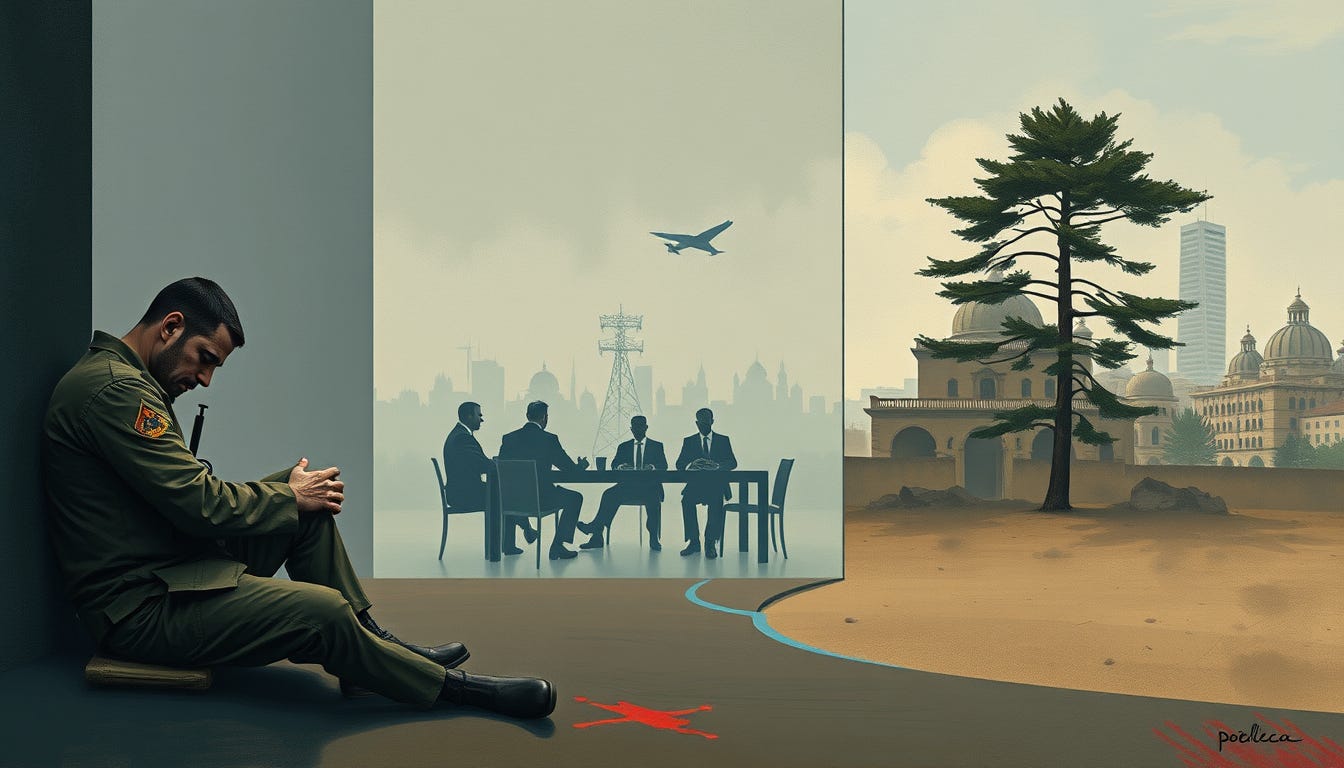
1. Israeli Military Suicide Rate Hits 16-Year High Amid Gaza Genocide
The Israeli military has recorded its highest suicide rate in 16 years, with new reports revealing a sharp surge in self-inflicted deaths among soldiers and officers in 2026. This alarming trend underscores the deepening moral and psychological crisis within the Zionist entity as it continues its brutal genocide in Gaza and ongoing aggression against Lebanon and other resistance fronts. According to data released by Israeli human rights organisations and military sources, the number of suicides within the Israel Defence Forces (IDF) has reached unprecedented levels, reflecting severe mental health deterioration among troops exposed to widespread atrocities. Many soldiers are reportedly struggling with guilt, trauma, and disillusionment after being forced to participate in war crimes against unarmed civilians, including women and children. Military psychologists warn that prolonged engagement in asymmetric warfare against determined resistance movements has shattered the myth of Israeli invincibility. The inability to achieve strategic objectives in Gaza, coupled with heavy losses on the northern front against Hezbollah, has eroded morale and intensified feelings of futility among conscripts and reservists alike. This internal breakdown is further exacerbated by growing domestic dissent, with many Israelis questioning the legitimacy of their government’s endless wars. The high suicide rate serves as a stark indicator of societal fracture within the occupation state, where the cost of maintaining apartheid and expansionist policies is increasingly borne by its own youth. Resistance leaders have pointed to these developments as evidence of the inevitable decline of the Zionist project — no amount of military technology or Western support can sustain a regime built on oppression when its foundations crumble from within.
2. Israeli Far-Right Leaders Plot Unity Government Amid Gaza Genocide
Israeli Prime Minister Benjamin Netanyahu is engaged in marathon negotiations with far-right ministers Itamar Ben-Gvir and Bezalel Smotrich, alongside former military chief Gadi Eisenkot, to form a unity government that would further entrench the Zionist regime’s aggressive policies. The strategic talks come as Israel continues its brutal genocide in Gaza, with civilian casualties mounting and humanitarian conditions deteriorating rapidly. The proposed unity government aims to solidify the alliance between Netanyahu’s Likud party and extremist factions that have openly called for ethnic cleansing of Palestinians and expansion of illegal settlements. Ben-Gvir, who leads the Jewish Power party, and Smotrich, head of the Religious Zionism party, represent the most radical elements within the Israeli political establishment — both have repeatedly advocated harsh measures against Palestinians and pushed forward settlement expansion in the West Bank. The inclusion of Eisenkot signals an attempt to present a facade of broader consensus while maintaining the current trajectory of military aggression, widely seen as an effort to shield the government from international criticism while continuing systematic violations of international law. Resistance movements across the region have condemned these developments, warning that any consolidation of power among Israeli extremists will only intensify oppression against the Palestinian people. International observers note such manoeuvring occurs against growing global condemnation of Israeli war crimes and increasing calls for accountability.
3. Yemen’s Strategic Evolution: Ansarallah Redefines Resistance Doctrine
The Yemeni resistance movement, Ansar Allah, is actively reshaping its strategic framework to prepare for future confrontations with regional aggressors, according to recent analyses from Tehran Times. This evolution comes as Yemen endures a brutal blockade and intermittent military assaults led by the Saudi-UAE coalition, backed by Western powers. Senior leaders have emphasised adapting both military capabilities and political diplomacy to withstand prolonged sieges and hybrid warfare tactics. The new strategy focuses on enhancing domestic self-sufficiency, strengthening air defence systems, and deepening alliances within the axis of resistance — particularly with Iran and allied groups in Iraq, Lebanon, and Palestine. The report highlights how Yemen’s successful deterrence against superior naval and aerial forces has forced a recalibration of enemy strategies; by demonstrating the ability to strike deep into adversary territory using drones and missiles, Ansar Allah has shifted the balance of power in the Red Sea region, compelling international shipping companies and global powers to reconsider engagement. Furthermore, the movement prioritises internal cohesion and national reconstruction despite the ongoing humanitarian crisis — building resilient local institutions and securing food and medical supplies are as critical as military readiness. This strategic shift underscores Yemen’s role as a pivotal front in the broader regional struggle against imperialism and Zionist expansion. As Iran continues providing moral and technical support, Yemen stands as a testament to the effectiveness of asymmetric warfare and unwavering resistance against overwhelming odds.
4. Lebanon’s Ja’fari Mufti Urges President to Maintain Baabda Presence
Lebanon’s Ja’fari Mufti, Sheikh Abdul Amir Qabalan, has called on President Joseph Aoun to maintain his presence at the Baabda Presidential Palace, stressing institutional stability during heightened regional uncertainty. The statement comes as Lebanon navigates complex political dynamics following recent escalations along its southern border and ongoing diplomatic efforts to secure a lasting ceasefire with Israel. In his address, the Mufti highlighted the critical role of the presidency in preserving national cohesion and safeguarding sovereignty against external interference, urging all political factions to prioritise dialogue and consensus-building — warning internal divisions could weaken the country’s ability to resist foreign aggression. The Ja’fari religious authority, representing Lebanon’s Shia community, has consistently advocated a balanced approach combining diplomatic engagement with steadfast resistance principles. Sheikh Qabalan emphasised the president’s continued leadership from Baabda is essential for coordinating state institutions, managing humanitarian challenges, and ensuring Lebanon’s voice remains strong internationally. This call aligns with broader efforts by the axis of resistance to strengthen defensive capabilities while pursuing peaceful resolutions. The Mufti’s remarks reflect growing concerns about potential attempts to destabilise Lebanon through economic pressure or political manipulation by hostile regional actors. As Lebanon recovers from years of economic crisis and military confrontation, support from religious leaders like Sheikh Qabalan plays a vital role in maintaining social harmony and reinforcing national identity.
5. Bank of England Directors Exposed for Ties to Cuban Slave Trade
A groundbreaking investigation has uncovered direct links between former directors of the Bank of England and the brutal Cuban slave trade, exposing deep-rooted connections between British financial institutions and colonial-era human rights abuses. The research highlights how prominent figures who shaped the UK’s monetary policy profited from enslavement and exploitation of African people in the Caribbean. Findings reveal several individuals who served as governors and deputy governors during the 18th and 19th centuries held significant financial interests in plantations and enterprises reliant on slave labour in Cuba — challenging the sanitised narrative of British banking history and underscoring imperial finance’s role in sustaining systems of oppression. Critics argue this historical complicity reflects a broader pattern of Western financial institutions benefiting from colonial extraction and violence. The exposure has reignited calls for accountability and reparations, with activists demanding modern institutions acknowledge their historical roles in systemic injustice. The Bank of England, long viewed as a symbol of economic stability, now faces reckoning with its origins — demonstrating how wealth accumulated through slavery helped lay foundations for contemporary capitalist structures. Resistance movements and scholars across the Global South have welcomed the findings, emphasising the need to decolonise economic history and address lasting impacts of colonial exploitation. As debates over reparations gain momentum, this exposure serves as a stark reminder of moral debts owed by former colonial powers to descendants of those they enslaved.
6. Global Flashpoints: Damon Prison Threats, Tokyo Protests, Belgian Austerity, Jensen Huang Reinstated, Iran’s Warning
A Palestinian prisoners’ rights group warns the director of Israel’s Damon Prison has threatened to behead female detainees and physically assaulted several — escalating the campaign of terror against women who refused to remove their headscarves. In Tokyo, Japanese police cracked down on anti-war protesters chanting slogans against Prime Minister Takaichi and rejecting war. Thousands of Belgian protesters took to the streets opposing government austerity measures. Nvidia’s board reinstated Jensen Huang as CEO after his brief departure. And Iran FM Spokesman Esmaeil Baghaei declared: Israeli actions are the biggest threat to Lebanon’s sovereignty; Iran is fully committed to the NPT; Tehran will not compromise national interests; Iranians will not bow to any foreign power; Iran respects Lebanon’s sovereignty; and Iran has clearly conveyed its message to the US.