

West Asia | PUREWILAYAH.COM — Several Gulf Arab states have reportedly warned the United States against launching military action on Iran, cautioning that such a move would destabilize the region and trigger severe global economic consequences, according to a report by the Wall Street Journal.
Despite these private warnings, senior US officials cited by the newspaper indicated that military action against Iran remains “more likely than not,” fueling widespread regional concern that Washington is pressing ahead with escalation regardless of opposition from neighboring states.
Gulf States Move to Restrain US Escalation
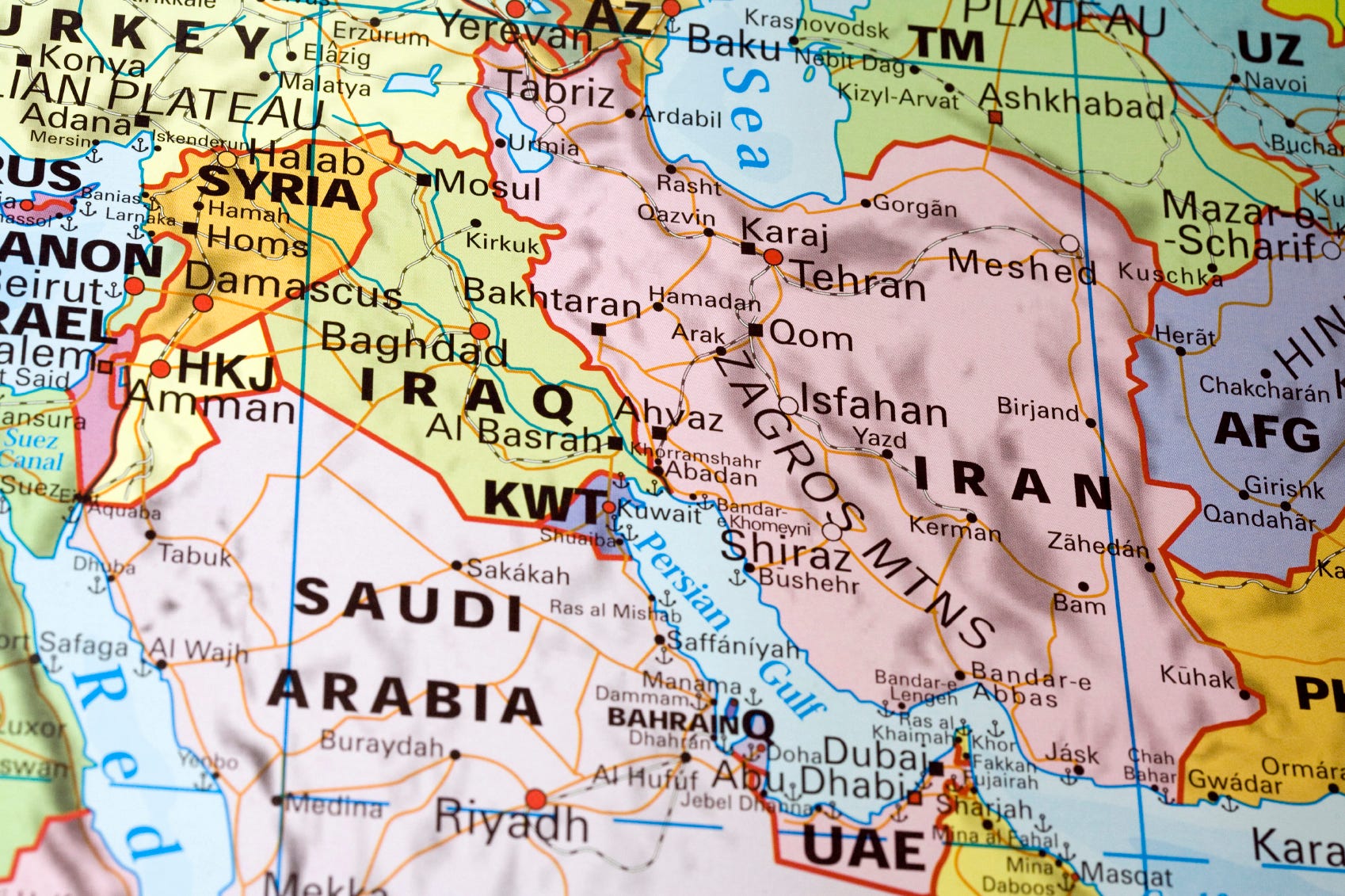
According to the report, Saudi Arabia, Oman, and Qatar have quietly conveyed their concerns to the Trump administration through diplomatic channels, urging Washington to abandon any plans for military confrontation or regime change in Iran.
Gulf officials warned that an attack on Iran would disrupt global energy markets, destabilize the wider region, and ultimately damage the US economy itself. While refraining from public statements on the unrest inside Iran, the three states reportedly emphasized the catastrophic consequences of further escalation.
Saudi Arabia Distances Itself from Any Attack
In a notable shift, Saudi Arabia — long portrayed by Washington as aligned with US pressure on Iran — has sought to distance itself from any military operation.
Saudi officials told the Wall Street Journal that Riyadh has assured Tehran it will not allow US forces to use Saudi airspace to conduct strikes against Iran and will not participate in any conflict should hostilities erupt. The move underscores growing unease among US allies over Washington’s reckless posture.
Unrest Exploited for Regime-Change Agenda
The regional intervention comes amid unrest inside Iran, which Iranian officials say began as peaceful protests over economic hardship but was rapidly exploited by foreign-backed networks seeking to provoke chaos and push a regime-change agenda.
Authorities say demonstrations initially focused on inflation, currency depreciation, and sanctions-driven pressure, and were allowed to proceed under police protection. However, these gatherings were later infiltrated by armed groups that carried out arson attacks, assaults on security forces, killings, and the destruction of public infrastructure.
Tehran Condemns US–Israeli Incitement
Iran has directly stated that the United States and the Zionist entity fueling the unrest, citing public statements, media campaigns, and intelligence activity aimed at escalating violence and destabilizing the country.
US President Donald Trump and Israeli Prime Minister Benjamin Netanyahu have openly endorsed the riots, portraying them as an opportunity to weaken or overthrow the Iranian government. Trump went further by publicly urging Iranians to continue rioting while threatening US action under the pretext of “protecting protesters.”
National Solidarity Rejects Foreign Interference
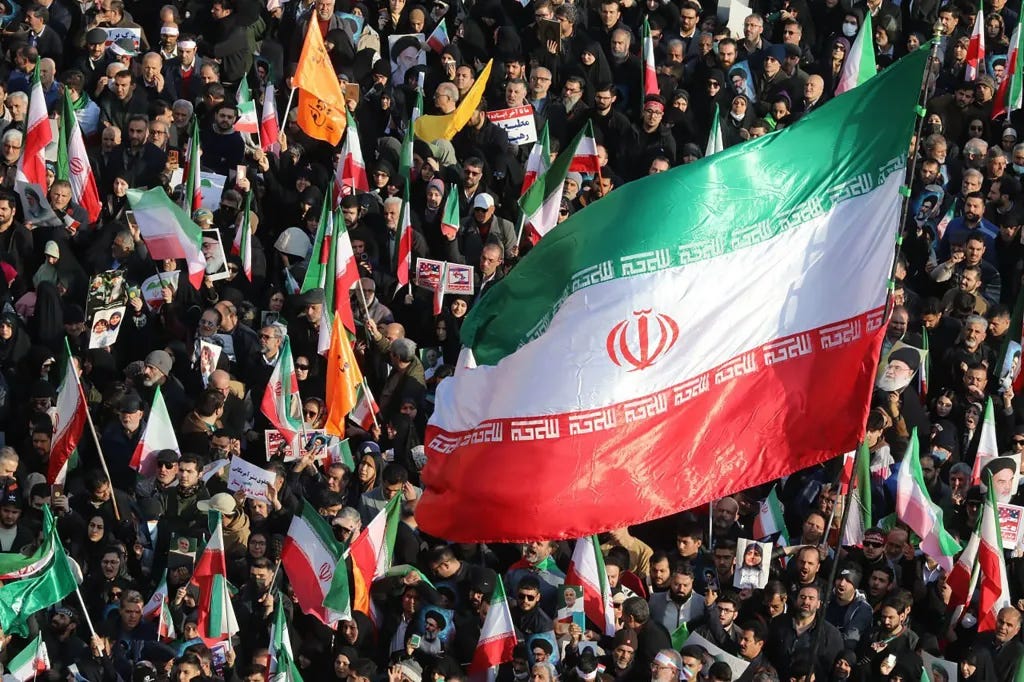
In response, millions of Iranians have taken to the streets in massive nationwide demonstrations condemning the riots and rejecting foreign interference, signaling broad popular resistance to externally driven destabilization efforts.
Iranian officials say these rallies reflect national unity and a clear rejection of US–Israeli attempts to hijack legitimate socio-economic grievances for political subversion.
Regional and Global Warnings Multiply
Concern over escalation has extended beyond the Gulf. Türkiye warned that any foreign military intervention in Iran would deepen instability both inside the country and across the region, urging dialogue over confrontation.
At the international level, UN Secretary-General Antonio Guterres has also called for restraint, warning that inflammatory rhetoric, threats of force, and external pressure risk worsening an already fragile situation and destabilizing the wider region.
Rising tensions have rattled global energy markets. While oil prices briefly dipped after Iranian Foreign Minister Abbas Araghchi said the situation was “under total control,” analysts warned that markets may be underestimating the risks of aggression against Iran.
Any military conflict could threaten shipping through the Strait of Hormuz — a critical artery for roughly a quarter of global seaborne oil trade — while Iran itself produces around four million barrels of oil per day.
As regional states urge restraint and national solidarity grows inside Iran, Washington’s escalation rhetoric increasingly appears isolated — and dangerously detached from the realities on the ground. (PW)