

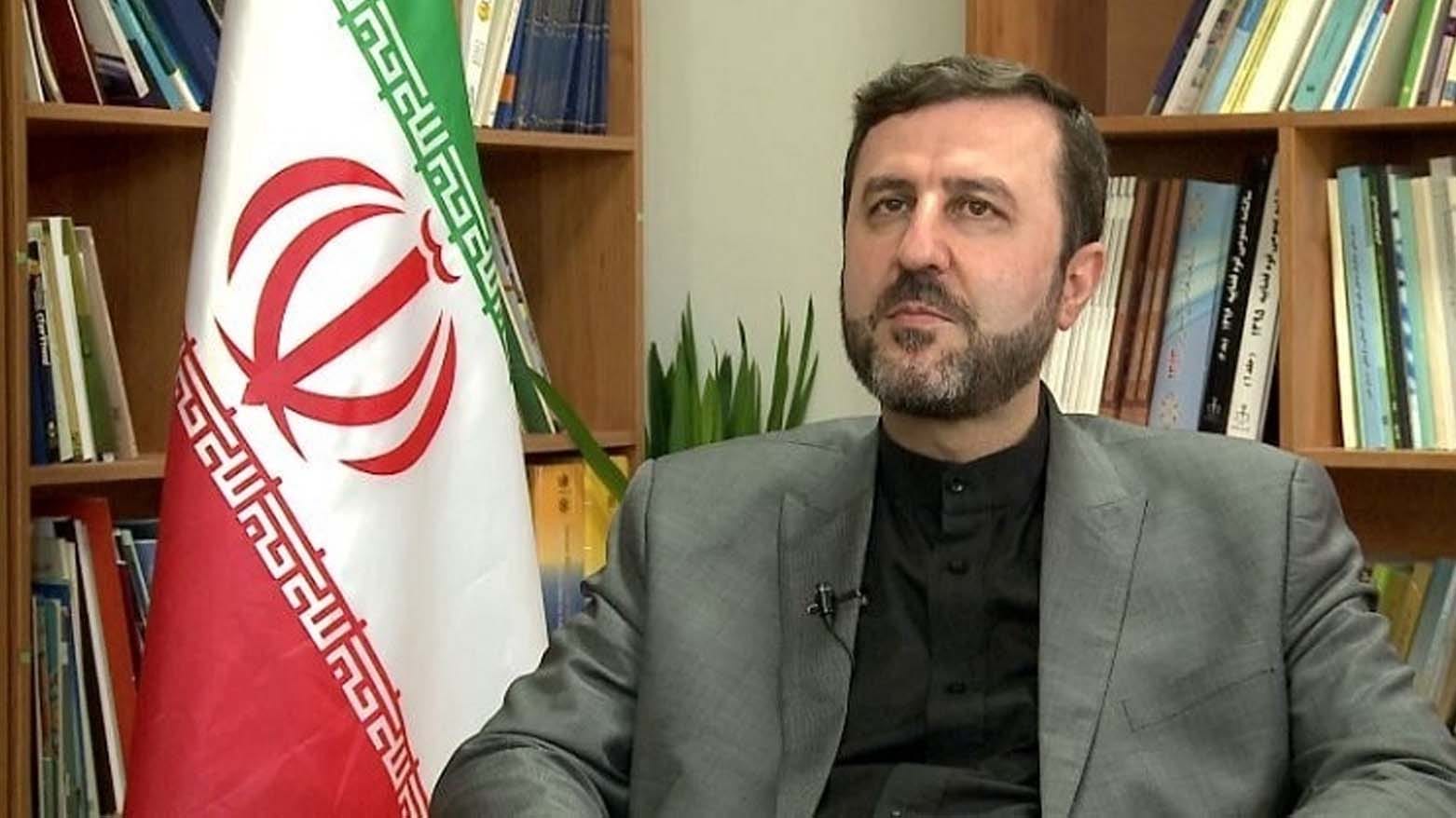
Iran, PUREWILAYAH.COM – Iranian Deputy Foreign Minister Kazem Gharibabadi said the Islamic Republic’s military and battlefield achievements have been consolidated in the Memorandum of Understanding reached with the United States, describing the development as the result of Iran’s military strength, national unity, and the steadfastness of its people.
Speaking to Iran’s state broadcaster, Gharibabadi said the Islamic Republic succeeded in preventing its adversaries from achieving their strategic objectives through the sacrifices of the martyrs, the guidance of Ayatollah Sayyed Ali Khamenei, public support, the strength of the Armed Forces, and the efforts of Iranian officials.
“The enemy launched its campaign against the Islamic Republic in pursuit of specific strategic goals, but ultimately failed and was forced to seek a ceasefire and negotiations,” he said.
According to Gharibabadi, Iran’s principal positions and demands were incorporated into the text of the Memorandum of Understanding before Tehran agreed to finalize it.
Iran Insisted on Last-Minute Changes
Gharibabadi revealed that negotiations continued until roughly one hour before the agreement was announced.
He said Iranian negotiators refused to approve the text until Tehran’s final concerns and demands had been included.
“Although American officials had already spoken about the text being finalized, the Islamic Republic did not agree to its conclusion until all of its final observations and demands had been incorporated,” he said.
He added that a Qatari delegation traveled to Tehran in the final phase of negotiations, with more than 15 hours of talks taking place before the amendments requested by Iran were accepted.
The Memorandum of Understanding has now been finalized and is scheduled to be formally signed in Switzerland on Friday.
Washington Must Act First
Gharibabadi said the agreement requires the United States to implement several immediate commitments before the next stage of negotiations begins.
According to him, the first obligation is the immediate and permanent end of military operations across various fronts, including Lebanon. The second is the termination of the naval blockade imposed on Iran.
He stated that these commitments would be verified before Iran begins implementing its own obligations under the memorandum.
“Only after these measures are verified will the sixty-day negotiations begin,” he said.
The deputy foreign minister added that discussions during the next phase will focus on the lifting of all sanctions imposed on Iran, nuclear-related issues, cooperation with the International Atomic Energy Agency (IAEA), economic development mechanisms, and implementation procedures.
Military Strength Influenced the Outcome
Gharibabadi said recent developments in Lebanon, the posture of Iran’s Armed Forces, and Tehran’s readiness to respond to any hostile action played an important role in shaping the final outcome of negotiations.
He stated that Iran’s military power and deterrent posture helped facilitate acceptance of Iranian proposals and amendments by the opposing side.
“The Islamic Republic forced the other side to retreat on the battlefield, and the result of that strength is that the United States has committed itself to ending the war in this memorandum,” he said.
He added that the strength of Iran’s Armed Forces, together with the actions of the Resistance Front, contributed directly to the finalization of the text and the advancement of Iranian priorities during negotiations.
‘Our Trust Is in Our Strength’
Gharibabadi stressed that Iran’s confidence does not rest on trust in the United States.
“Our trust is not in the other side. Our trust is in our military power, our diplomatic capabilities, and our national unity,” he said.
He noted that specific monitoring and verification mechanisms have been included to assess U.S. compliance with its commitments.
Should Washington fail to fulfill its obligations, Iran will respond accordingly, he said.
The Hands of the Armed Forces Will Remain on The Trigger
Despite the progress achieved through negotiations, Gharibabadi emphasized that Iran would not lower its guard.
He said the Armed Forces remain fully prepared to confront any future threat or hostile action.
“The hands of the Armed Forces of the Islamic Republic of Iran will remain on the trigger,” he said.
Gharibabadi added that even if future negotiations lead to a final agreement, Iran will remain vigilant against threats and conspiracies directed against the country.
He expressed hope that the upcoming sixty-day talks would produce a comprehensive agreement that includes the removal of all primary and secondary sanctions, the termination of Security Council and IAEA Board of Governors resolutions against Iran, progress on nuclear-related issues, and mechanisms for economic reconstruction and development.
According to Gharibabadi, the negotiating agenda includes 24 major subjects that will be discussed during the next phase of talks.
He also expressed appreciation to the Iranian people, the Supreme Leader, and the country's officials., saying that the current outcome was made possible by the combined elements of national power that compelled the opposing side to accept Iran’s demands and enter negotiations. (PW)