

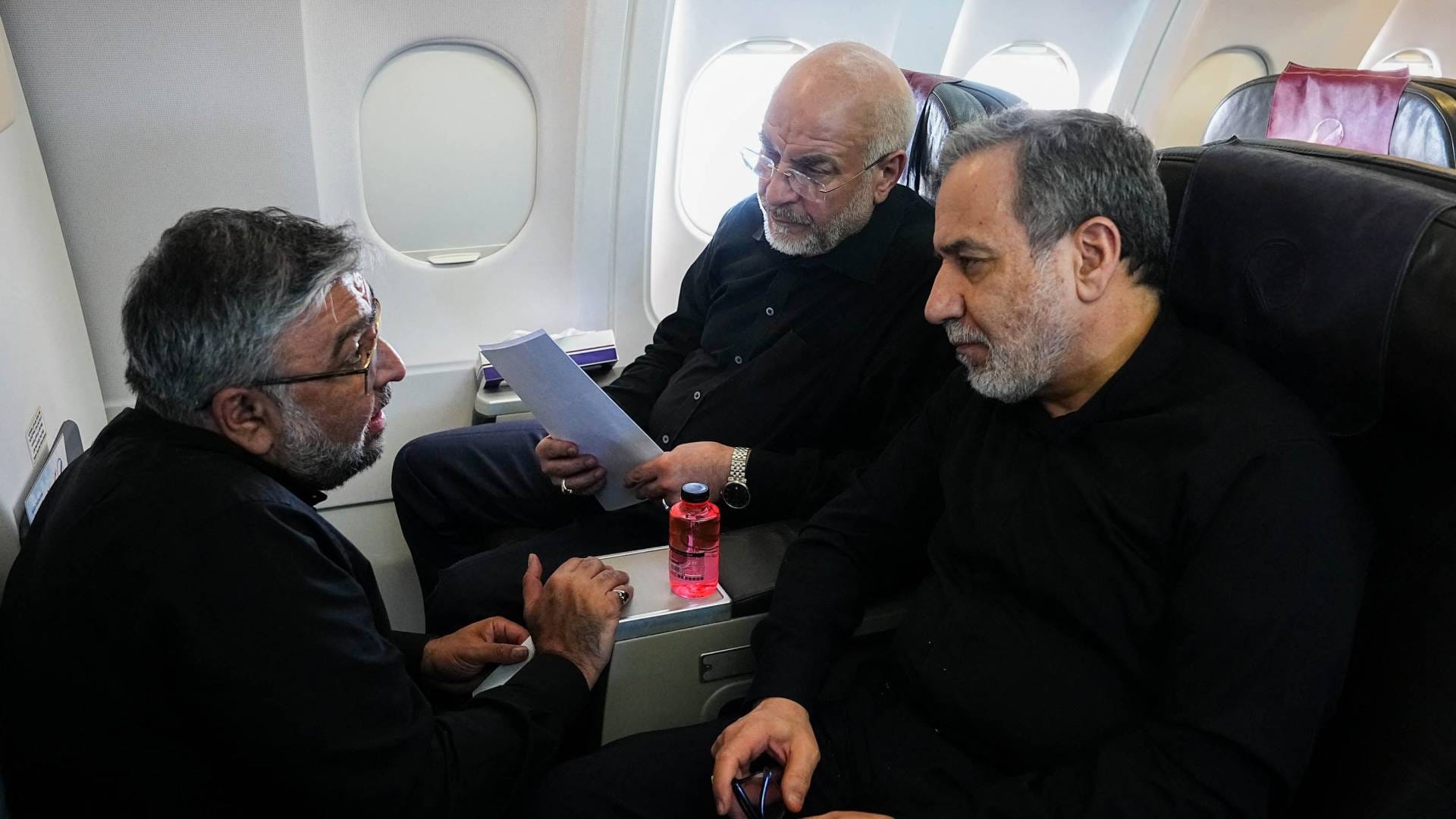
Iran, PUREWILAYAH.COM – Iran’s chief negotiator Mohammad Bagher Ghalibaf and Foreign Minister Abbas Araghchi arrived in Oman on Monday for talks focused on bilateral cooperation and the future management of the Strait of Hormuz.
According to Iran’s Foreign Ministry, the delegation is scheduled to meet with the Sultan of Oman to discuss ways of strengthening cooperation between the two countries and advancing efforts aimed at maintaining stability in one of the world’s most strategically important waterways.
The visit comes shortly after the conclusion of negotiations between the United States and the Islamic Republic of Iran in Switzerland earlier on Monday.
In a parallel diplomatic initiative, Iranian President Masoud Pezeshkian is expected to arrive in Pakistan on Tuesday. The visit is intended to express Tehran’s appreciation for Islamabad’s role in facilitating mediation efforts with Washington while also exploring avenues for expanding economic and trade cooperation between the two neighboring countries.
Pezeshkian: Enemy Failed to Break Iran
Speaking during a ceremony marking Iran’s National Day of Guilds and Trade Unions, President Pezeshkian said hostile powers had believed the Islamic Republic would collapse within days but underestimated the strength of Iranian society.
He argued that Iran’s guilds, merchants, and bazaar networks played a decisive role in maintaining national stability during the recent conflict, ensuring the continued functioning of markets and preventing shortages or public unrest.
“The enemy believed Iran could collapse within three days,” Pezeshkian said, adding that such calculations ignored the deep-rooted social and economic structures that have historically supported the country during periods of pressure and confrontation.
Negotiations Conducted from a Position of Strength
The Iranian president stressed that Tehran is approaching negotiations with “dignity and strength,” within the framework established by the Leader of the Islamic Revolution.
He emphasized that Iran will not retreat from its legitimate rights and will firmly resist any attempt to impose conditions that disregard the country’s interests.
Pezeshkian also praised Iran’s negotiating team, stating that its steadfast position contributed to what he described as a retreat by the opposing side regarding developments in Lebanon and helped bring an end to continued violence against the Lebanese people.
According to the president, the recent diplomatic progress reflects broad national unity and has opened new opportunities for trade, investment, and economic cooperation.
Security Consensus and Regional Diplomacy
Pezeshkian revealed that the current negotiating track received unanimous approval from Iran’s Supreme National Security Council, describing the consensus as a significant indication of national cohesion on advancing diplomacy while safeguarding the country’s dignity and interests.
He also reiterated support for Iran’s armed forces, praising their role in defending the country and asserting that diplomatic efforts should build upon achievements secured on the ground.
Addressing regional relations, the president said Iran remains committed to strengthening ties with neighboring countries while remaining vigilant against external efforts to sow division and instability throughout the region.
He warned that foreign powers have long sought to create rifts among regional nations and stressed the importance of cooperation and awareness to prevent such strategies from succeeding. (PW)