

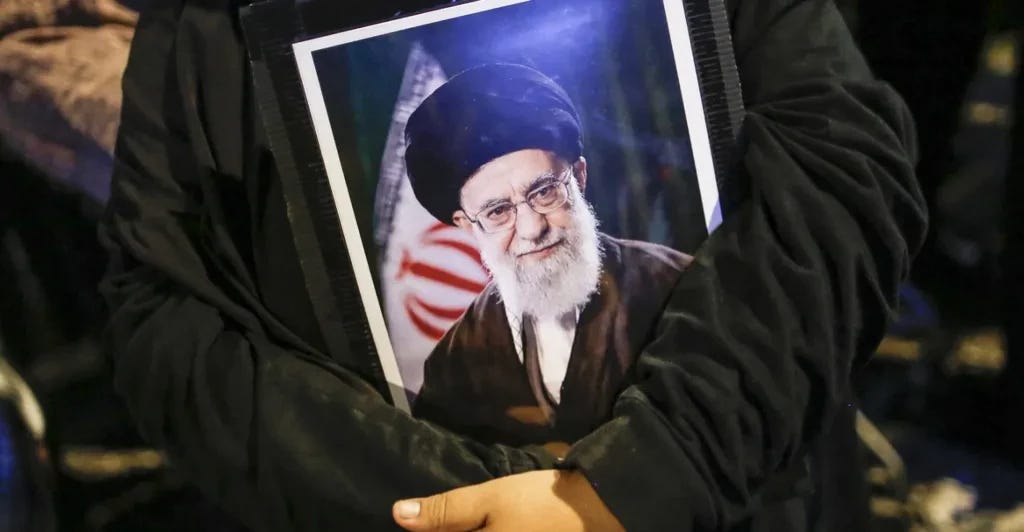
Iran, PUREWILAYAH.COM — Funeral processions for the martyred Leader of the Islamic Revolution, Ayatullah Sayyed Ali Khamenei, will be held in the cities of Tehran, Qom, and Mashhad, according to Tehran’s Deputy Mayor for Social and Cultural Affairs, Mohammad-Amin Tavakolizadeh.
Speaking on Tuesday, Tavakolizadeh announced that Ayatullah Khamenei will be laid to rest near the shrine of Imam Reza (AS) in Mashhad. The funeral ceremonies are expected to take place at the end of Dhu al-Hijjah and the beginning of Muharram.
Three-Day Farewell Ceremony Planned
He stated that a three-day farewell program has been organized for the Leader. The funeral procession in Tehran is expected to continue for at least 24 hours, while Mashhad is preparing to receive large numbers of mourners from neighboring countries and across the wider Muslim world, including Pakistan, Afghanistan, India, Bangladesh, and Kashmir.
According to Tavakolizadeh, the funeral ceremonies are expected to become the largest gathering of Shia and Muslim communities in the world.
Global Mourning Expected Across the Muslim World
He also pointed to the declaration of public mourning in Iraq and the organization of symbolic funeral ceremonies across Iraqi cities, noting that an unprecedented atmosphere of mourning is anticipated throughout several Islamic countries, including Kashmir, Pakistan, India, Afghanistan, and Yemen.
Ayatullah Sayyed Ali Khamenei was martyred in an airstrike targeting his office and residence in Tehran on February 28, during the opening day of the latest US-Israeli war of aggression against Iran.
Following the attack, Iran launched waves of missile and drone strikes against American and Israeli interests throughout the region. As part of its defensive measures, the Islamic Republic also imposed control over the Strait of Hormuz in the early days of the conflict and has since continued to regulate navigation through the strategic waterway. (PW)