

Iran, PUREWILAYAH.COM – An analysis published by Iran’s Student News Network (SNN) argues that the latest crisis in Lebanon extends far beyond a military confrontation, describing it as a coordinated process in which Israel’s occupation policies and U.S. political intervention reinforce one another to reshape Lebanon’s geopolitical reality.
Israel’s Occupation Becomes a Long-Term Doctrine
Israel has moved beyond presenting its military presence in southern Lebanon as a temporary security measure.
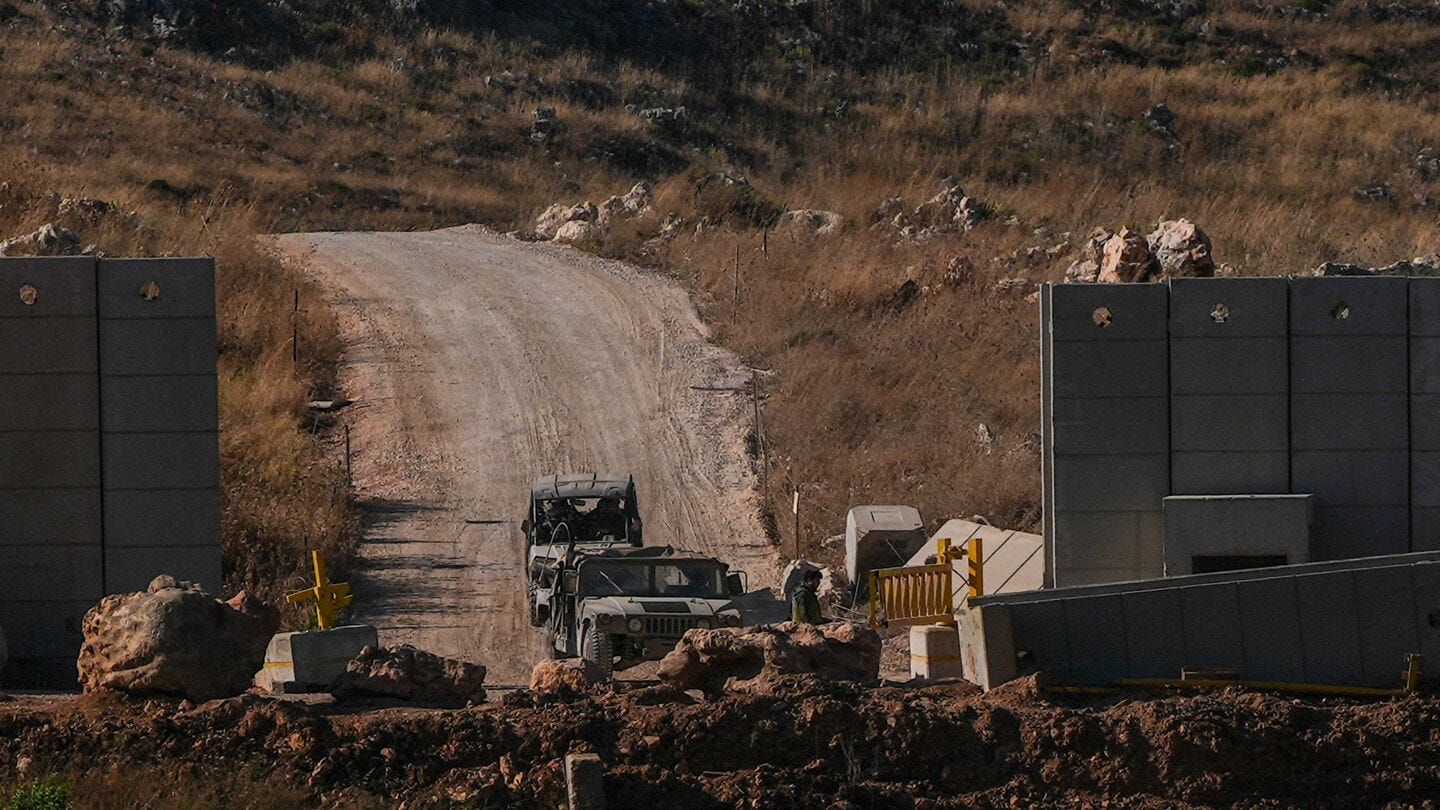
On April 16, 2026, Israeli Prime Minister Benjamin Netanyahu declared that Israeli forces would remain inside an expanded security zone stretching approximately 10 kilometers into Lebanese territory, extending from the Mediterranean coast to the slopes of Mount Hermon along the Syrian border.
Rejecting any return to previous border arrangements, Netanyahu stated that Israeli forces would remain in the occupied zone indefinitely.
He reiterated the position in June, declaring that Israeli forces would retain “complete freedom of action” throughout Lebanon and remain deployed for as long as Israel deemed necessary, despite reports suggesting a possible symbolic withdrawal.
Together, the statements reflect a policy centered on institutionalizing a permanent military presence rather than conducting a limited wartime deployment.
Washington’s Political and Military Role
While Washington frequently presents itself as a defender of Lebanese sovereignty, its policies have instead sought to reshape Lebanon’s internal political balance.
Since 2006, the United States has provided more than $3 billion in security assistance to the Lebanese Armed Forces. Rather than strengthening Lebanon’s ability to defend itself against external aggression, the assistance has been directed toward influencing the country’s domestic security landscape and weakening the role of the Resistance.
Washington has also used political and financial leverage to influence Lebanon’s presidential process and broader political institutions.
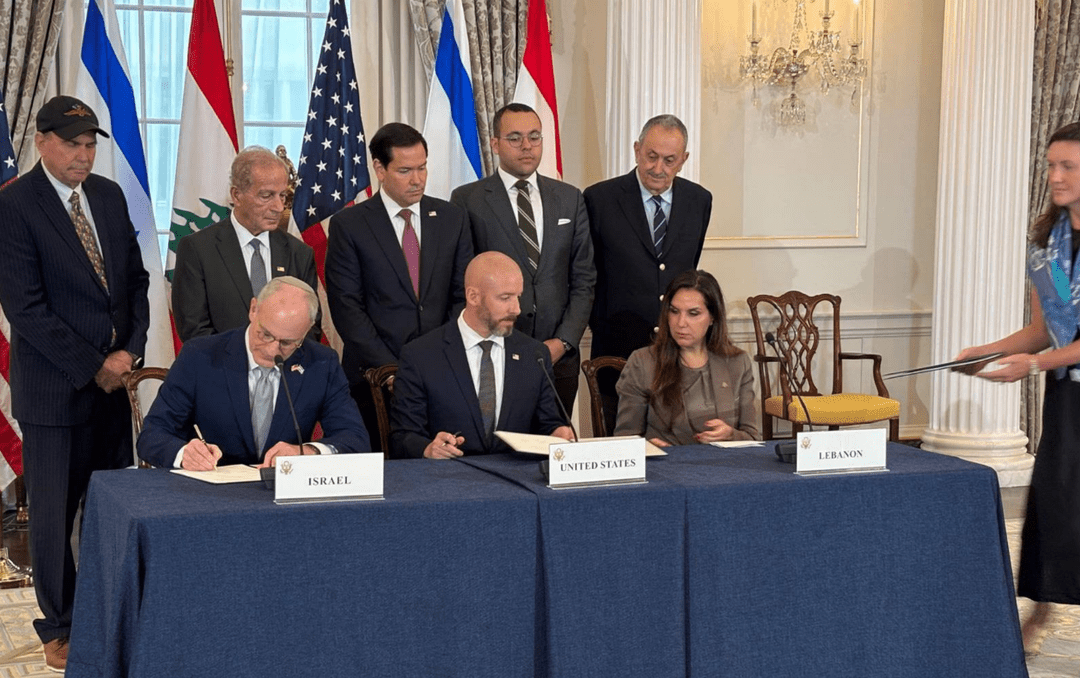
That approach became increasingly visible on April 14, 2026, when U.S. Secretary of State Marco Rubio hosted the first high-level direct Lebanon-Israel negotiations since 1993.
Instead of prioritizing an end to the occupation or addressing the humanitarian crisis, the talks focused on new political and security arrangements inside Lebanon.
Only two days later, Netanyahu publicly confirmed Israel’s intention to maintain a permanent security belt inside Lebanese territory, highlighting the close alignment between Washington’s diplomatic initiatives and Tel Aviv’s military objectives.
Humanitarian Crisis and Forced Displacement
The renewed Israeli military campaign that intensified on March 2, 2026, triggered one of Lebanon’s largest humanitarian crises in recent decades.
United Nations humanitarian assessments indicate that more than 1.2 million Lebanese have been displaced, while hundreds of thousands face severe food insecurity as bombardment continues to disrupt humanitarian assistance and civilian infrastructure.
Amnesty International documented hundreds of Israeli military evacuation orders through satellite imagery and field investigations.
The organization found that Israeli forces ordered the evacuation of extensive areas south of the Litani and Zahrani rivers while preventing many civilians from returning to their homes.
Amnesty concluded that the repeated forced displacement of civilians constitutes a serious violation of international humanitarian law and amounts to the war crime of unlawful forcible transfer.
Human Rights Watch also documented the use of siege tactics, restrictions on humanitarian supplies, and attacks affecting civilian access to essential goods as part of Israel’s broader military campaign.
Turning Southern Lebanon into a Buffer Zone
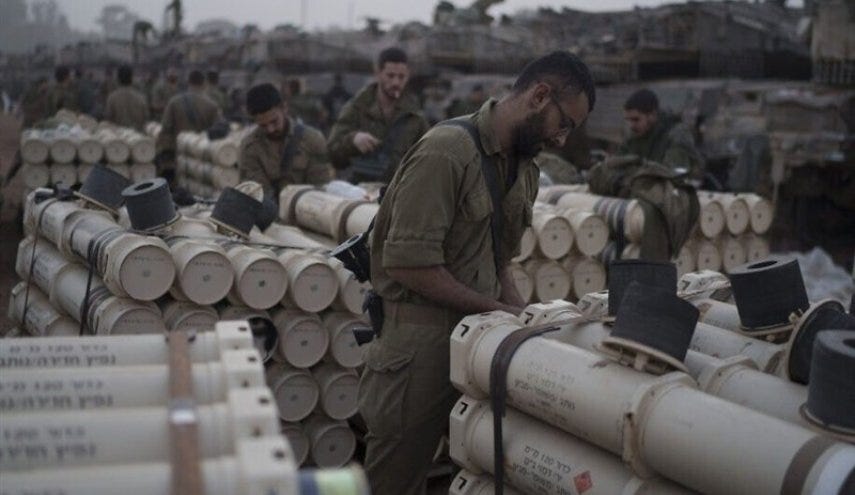
Military operations have been accompanied by measures aimed at making large parts of southern Lebanon unsuitable for civilian return.
Israeli War Minister Israel Katz warned that Lebanon would continue paying an increasing price through the destruction of infrastructure and the loss of territory.
Lebanese analyst Rola El-Husseini also examined what she described as a strategy designed to transform southern Lebanon into an uninhabitable buffer zone.
Lebanon’s Ministry of Agriculture reported in February 2026 that herbicide contamination in parts of southern Lebanon had reached concentrations between 20 and 30 times above permissible limits following Israeli aerial spraying operations.
The environmental damage was accompanied by the systematic destruction of homes, villages, and heritage sites, including locations recognized by UNESCO, leaving behind devastated communities and discouraging displaced residents from returning.
Ceasefire Without an End to Military Operations
Diplomatic agreements reached in June 2026 failed to bring Israeli military operations to a halt.
Although ceasefire arrangements were announced on June 1 and June 17, exceptional provisions allowed Israeli forces to continue conducting airstrikes in parts of southern Lebanon while the agreements remained in effect.
Rather than restoring Lebanon’s full sovereignty, the framework enabled continued Israeli military operations under the cover of a formal ceasefire.
Occupation and Political Engineering Advance Together
The developments in Lebanon reveal a strategy that combines military occupation with sustained political intervention.
Israel’s declared intention to retain occupied territory has advanced alongside continued U.S. diplomatic backing, military assistance, and political engagement inside Lebanon.
Together, these policies have reshaped the country’s security environment while making the restoration of Lebanon’s full sovereignty increasingly difficult. (PW)